Ovulation Tracking Methods: Which One Is Right for You?


Ovulation Tracking Methods: Which One Is Right for You?
Understanding when you ovulate is the single most important piece of information for maximising your chances of conception. Yet ovulation timing is surprisingly variable — even in women with regular cycles. Choosing the right ovulation tracking method (or combination of methods) can significantly reduce the time to pregnancy by pinpointing your personal fertile window with precision.
In this comprehensive guide, we'll walk through every major ovulation tracking method, explaining the science behind each, the pros and cons, and how to get the most accurate results. We'll also explain how pairing accurate tracking with Conceive Plus fertility lubricant creates the optimal conditions for conception.
Why Accurate Ovulation Tracking Matters
The fertile window — the days when intercourse can result in pregnancy — is smaller than most people realise. An egg is viable for only 12–24 hours after release. Sperm, however, can survive in the female reproductive tract for 3–5 days in ideal conditions.
This means the practical fertile window is approximately 5–6 days per cycle, with the highest pregnancy rates achieved when intercourse occurs 1–2 days before ovulation. Identifying this window accurately is the cornerstone of effective TTC strategy.
Research from the National Institute of Environmental Health Sciences found that couples who had intercourse on the two most fertile days had a 50% probability of conceiving in any given cycle, compared to 15% when intercourse timing was random.
Method 1: Ovulation Predictor Kits (OPKs)
🌿 Try Conceive Plus Today
Join millions of couples worldwide who trust Conceive Plus to support their fertility journey. Clinically developed, scientifically formulated.
👉 Shop Now — Conceive Plus Conceive Plus →
OPKs detect the luteinising hormone (LH) surge that triggers ovulation 24–36 hours later. Available as standard test strips or digital readers, they're the most widely used ovulation tracking method worldwide.
How They Work
Most OPKs require you to hold a test strip in urine (or dip it in collected urine) for a few seconds. A positive result — two equally dark lines or a digital smiley face — indicates your LH surge and your fertile window peak.
Pros
- Direct hormonal signal — removes guesswork
- Available at most pharmacies across Europe
- Relatively affordable, especially strip tests
- Works well for most women with regular cycles
- Advanced versions also detect oestrogen rise (broadening the fertile window identification)
Cons
- PCOS can cause multiple LH surges, making interpretation challenging
- May miss the surge if testing at the wrong time of day (best tested 10am–8pm, not first morning urine)
- Cost adds up over many cycles
Tips for Accuracy
- Test twice daily (morning and evening) during your likely fertile days
- Reduce fluid intake for 2 hours before testing to concentrate the hormone
- Start testing on day 10 for 28-day cycles, earlier for shorter cycles
Once you've identified your fertile window, give every encounter the best possible conditions.
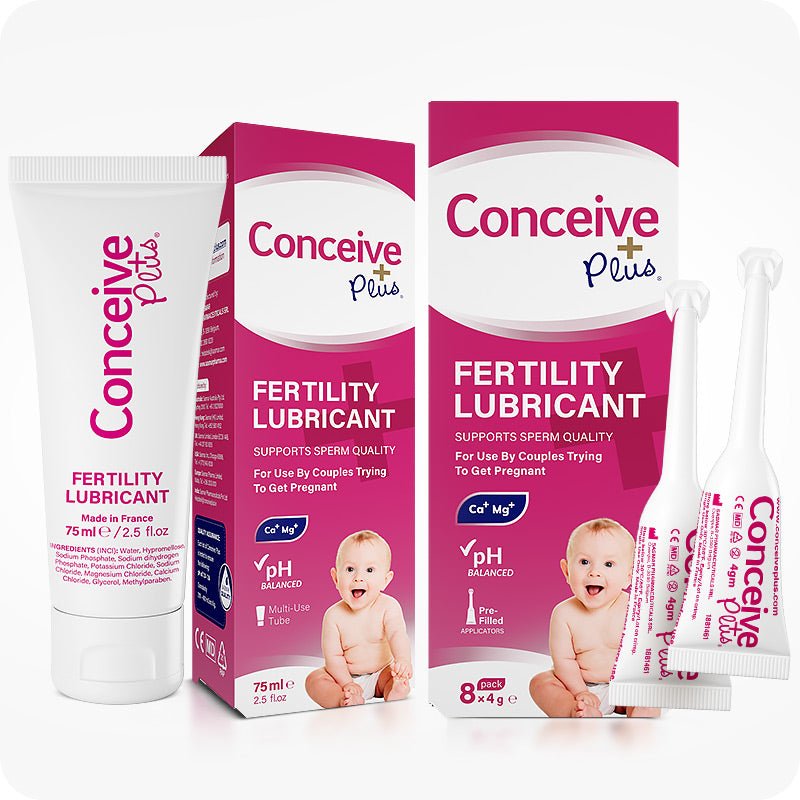
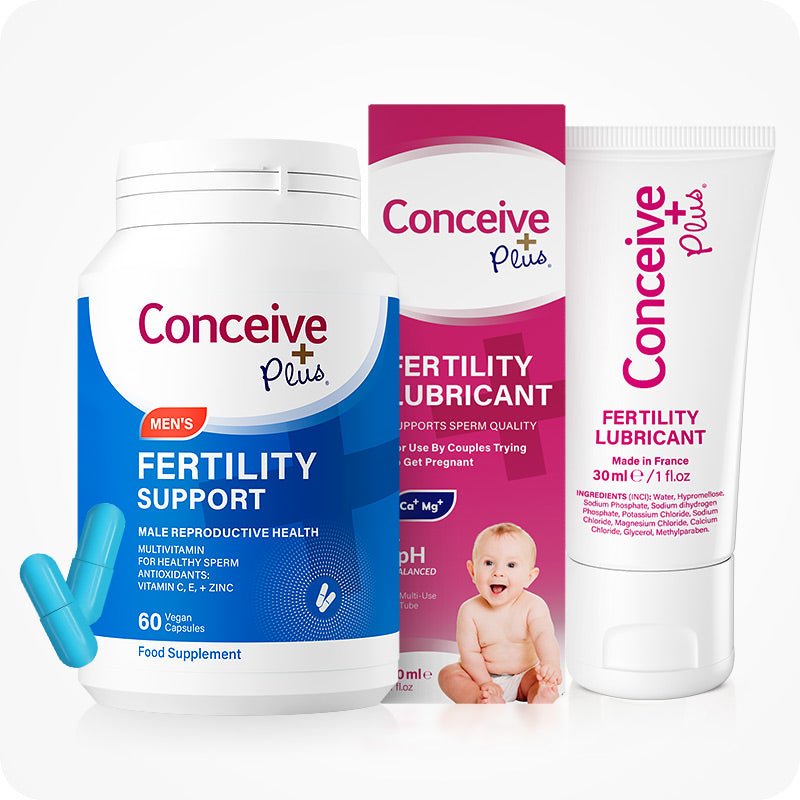
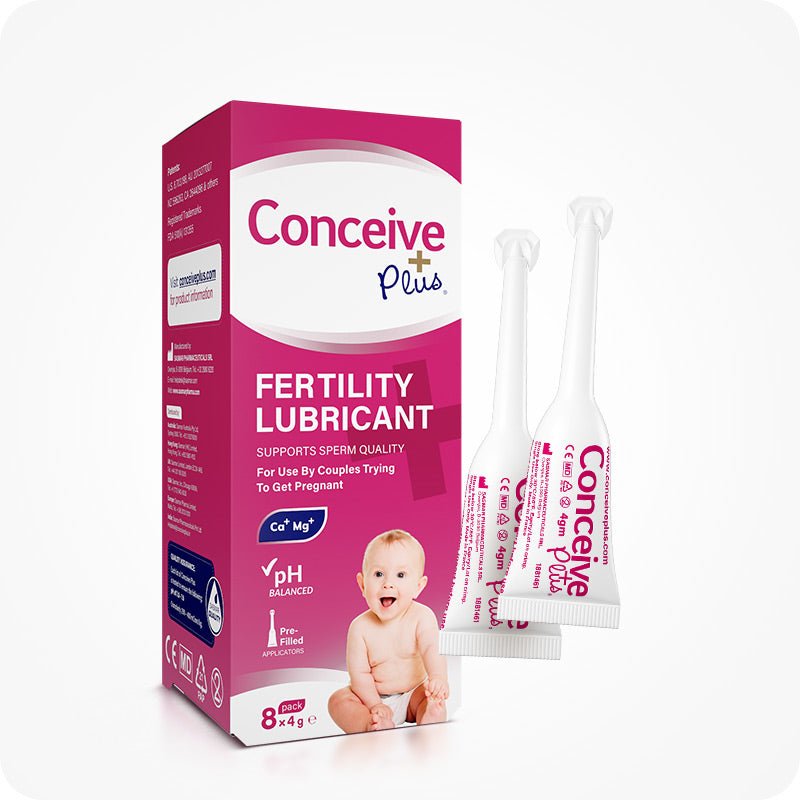
Conceive Plus — with calcium and magnesium ions — creates a sperm-supportive environment that complements your precise ovulation tracking.
👉 Shop Conceive Plus Europe →
Method 2: Basal Body Temperature (BBT) Tracking
Basal body temperature tracking involves taking your temperature first thing in the morning — before getting out of bed — to detect the slight rise (approximately 0.2°C) that occurs after ovulation in response to progesterone.
How It Works
Use a basal thermometer (more sensitive than a standard fever thermometer, measuring to 0.1°C) every morning at the same time, before any activity. Record temperatures on a chart or app. After ovulation, you should see a sustained temperature rise for the remainder of your cycle.
Pros
- Very inexpensive (one thermometer purchase)
- Builds a personalised picture of your cycle over time
- Can confirm ovulation occurred (important for couples with irregular cycles)
- Identifies short or long luteal phases that may indicate hormonal issues
Cons
- Retrospective — confirms ovulation after it happens, limiting predictive use
- Requires consistent daily measurement and routine
- Illness, alcohol, poor sleep, or travel can distort readings
- Takes 2–3 cycles of data to identify reliable patterns
Best Use
BBT works best in combination with OPKs. Use 2–3 months of BBT data to understand your cycle length and typical ovulation timing, then deploy OPKs to precisely identify your LH surge each cycle.
Method 3: Cervical Mucus Monitoring
Monitoring changes in cervical mucus (CM) throughout the cycle is a highly effective — and completely free — ovulation tracking method based on observable hormonal changes.
How It Works
Oestrogen levels rise in the days approaching ovulation, causing the cervix to produce increasing amounts of progressively wetter, clearer, and more stretchy mucus. Peak fertile mucus resembles raw egg white (EWCM) and can stretch between two fingers without breaking.
The cervical mucus pattern across a typical cycle:
- Immediately post-period: Dry or very little mucus
- Early pre-ovulatory: Sticky, white or pale yellow, crumbly
- Approaching ovulation: Creamy, lotion-like, increasing in amount
- Peak fertility: Clear, stretchy, egg-white consistency — EWCM
- Post-ovulation: Returns to sticky or dry
Pros
- Completely free — no equipment needed
- Provides a real-time indicator before and during ovulation
- Also reflects overall hormonal health — poor mucus patterns can indicate issues
Cons
- Requires consistent daily observation and learning to interpret patterns
- Some conditions (PCOS, antihistamines, clomid, dehydration) can reduce or alter CM
- Less precise than OPKs for pinpointing the LH surge
Method 4: Fertility Monitors (Advanced OPKs)
Advanced fertility monitors such as the Clearblue Connected Fertility Monitor, Mira, and OvuSense offer more comprehensive hormone tracking than standard OPKs.
- Clearblue Advanced: Detects both oestrogen and LH, identifying up to 6 fertile days per cycle
- Mira: Quantifies exact hormone levels rather than just positive/negative, tracks LH, oestrogen, progesterone, and FSH
- OvuSense: Uses a vaginal probe to track core temperature changes throughout the night, predicting ovulation 24 hours in advance
These devices are more expensive but provide the most comprehensive data for women with irregular cycles, PCOS, or a history of reproductive challenges.
Method 5: Cycle Apps and Algorithmic Prediction
Fertility apps like Clue, Natural Cycles, Kindara, and Ovia use algorithm-based cycle tracking to predict ovulation. Many now incorporate data from OPKs, BBT, and wearables.
Important Limitation
Algorithm-only apps that predict ovulation based on previous cycle lengths — without hormone data — have been shown in research to be inaccurate for a significant proportion of women, particularly those with irregular cycles. Always supplement app predictions with OPK testing or other hormonal tracking for reliability.
Method 6: Wearable Fertility Trackers
Wearables like the Oura Ring, Ava bracelet, and Apple Watch (with third-party apps) track physiological signals including skin temperature, resting heart rate, and heart rate variability to provide cycle insights.
Research on Ava's algorithm found it identified an average of 5.3 fertile days per cycle with 89% accuracy. These devices are best used as adjuncts to OPK testing rather than replacements.
Method 7: Ultrasound Follicle Tracking
Transvaginal ultrasound monitoring is the gold standard for ovulation tracking — performed in fertility clinics, it directly visualises ovarian follicle growth and can identify exactly when a follicle is mature and about to release an egg.
This method is typically used in medicated cycles (IVF, IUI, clomid) or for diagnosing ovulation disorders. It's not practical for home use but is worth knowing about for those in fertility treatment.
🌟 Maximise every fertile day you've identified with precision tracking.
Conceive Plus provides the supportive vaginal environment sperm need — with calcium and magnesium ions that mirror fertile cervical mucus. Use it during every fertile-window encounter.
👉 Shop Conceive Plus in Europe →
Combining Methods: The Most Effective Approach
Research and fertility specialist guidance consistently points to combining methods for the most accurate ovulation tracking:
- Cycle history (app or paper chart): Understand your average cycle length to know when to start testing
- Cervical mucus: Begin monitoring daily; EWCM signals approaching peak fertility
- OPK testing: Start 2–3 days before your estimated fertile window based on cycle history; test twice daily
- BBT confirmation: Confirm ovulation occurred; builds data over time
This multi-method approach provides prospective warning (CM and cycle tracking), precise hormonal confirmation (OPK), and retrospective verification (BBT) — giving you the most complete picture possible.
When Ovulation Tracking Reveals a Problem
One of the underappreciated benefits of diligent ovulation tracking is that it can reveal fertility-relevant issues:
- No LH surge detected over multiple cycles: May indicate anovulation (not ovulating). Requires medical evaluation.
- Multiple LH surges: Common in PCOS; may indicate cycles where the body attempts but fails to ovulate.
- Very short luteal phase (<10 days on BBT chart): May indicate low progesterone. Discuss with your GP.
- No EWCM: May indicate cervical mucus issues, possibly related to PCOS, antihistamine use, or hormonal imbalance.
Frequently Asked Questions About Ovulation Tracking
How accurate are home OPK tests?
Standard OPKs are highly accurate at detecting the LH surge — typically 97–99% accuracy for the hormone detection itself. The main issue is user error (wrong timing, too dilute urine, missing the surge) rather than test failure.
I have a 28-day cycle — does that mean I ovulate on day 14?
Not necessarily. Day 14 is an average based on textbook 28-day cycles. Many women with 28-day cycles actually ovulate on day 12, 15, or 16. Tracking is the only way to know your personal pattern.
Can I get pregnant without using ovulation tracking?
Yes — many pregnancies occur without tracking. However, research consistently shows that couples who identify their fertile window and time intercourse accordingly conceive faster on average.
I have irregular cycles — which method works best?
OPKs and advanced fertility monitors are best for irregular cycles because they detect hormones rather than relying on cycle length patterns. You may need to test for a longer window.
Does stress affect ovulation?
Yes. Significant psychological stress can delay or suppress ovulation. Some women who track carefully notice that high-stress months have later ovulation or anovulatory cycles.
Can I track ovulation while breastfeeding?
Ovulation tracking while breastfeeding is more challenging because prolactin (the hormone that drives milk production) suppresses ovulation. Cycles may be irregular or absent. OPKs can be used once cycles return, but standard cycle-based predictions are unreliable.
Is there any harm in tracking ovulation obsessively?
For some couples, intensive tracking increases TTC-related anxiety and puts pressure on sex to be "timed" rather than enjoyed. It's worth periodically reassessing whether tracking is helping or adding stress, and discussing this openly with your partner.
How soon after starting ovulation tracking can I expect to get pregnant?
With accurate tracking, most healthy couples under 35 with no fertility issues conceive within 3–6 months. 80% of couples conceive within 12 months of regular, well-timed intercourse.
Should I have sex every day or every other day during my fertile window?
Most fertility specialists recommend every other day during the fertile window. Daily sex can slightly reduce sperm concentration in some men, though for most it's unlikely to matter. Every other day ensures you're covered regardless.
Will Conceive Plus interfere with my OPK results?
No. Collect your urine for OPK testing before using Conceive Plus. The lubricant will not affect OPK test results as they are based on urinary LH levels, not vaginal conditions.
🌟 Ready to Start Your Fertility Journey?
Conceive Plus is the fertility brand trusted by couples and clinics in 60+ countries. From lubricants to supplements, we have everything you need.
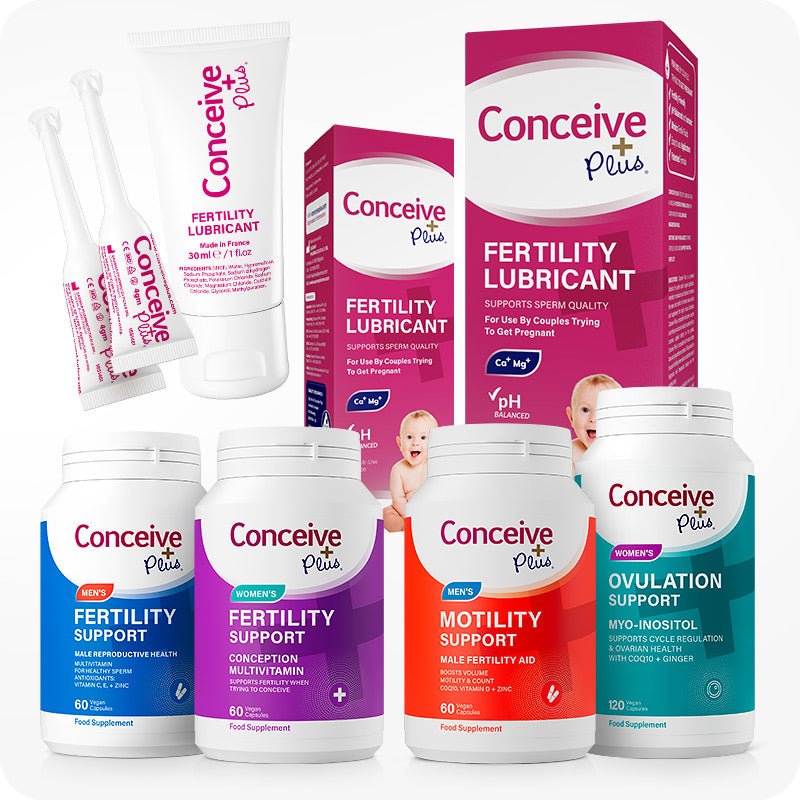
👉 Explore All Conceive Plus Products →