Fertility Testing at Home: Understanding Your Hormones and Reproductive Options


Fertility Testing at Home: Understanding Your Hormones and Reproductive Options
For many people on a fertility journey, the decision to start testing comes with a mix of anticipation and anxiety. Fertility testing has traditionally required clinic appointments, blood draws, and waiting for results — a process that could take weeks and involve significant cost. But at-home fertility testing has evolved dramatically, and today it's possible to gain meaningful insight into your hormonal health and reproductive potential from the comfort of your own home.
This guide explains what fertility testing at home can tell you, which tests provide the most useful information, and how to use your results to take informed next steps — whether that means optimising your natural conception approach or knowing when to seek specialist support.
What Fertility Testing Can and Cannot Tell You
Before exploring the specific tests available, it's important to understand what fertility testing actually measures — and where its limits lie.
Fertility tests measure markers of reproductive potential: hormone levels, ovarian reserve indicators, sperm parameters, and genetic factors. They provide probabilistic information about your reproductive biology, not a definitive prediction of whether or not you'll get pregnant.
A key example: Anti-Müllerian Hormone (AMH), commonly called the "ovarian reserve test," measures the number of remaining eggs. A low AMH indicates reduced egg count but says nothing about egg quality — and quality is arguably more important for natural conception. Women with low AMH can and do conceive naturally.
With this context in mind, fertility testing is most valuable as a starting point for conversation with a healthcare provider and as a basis for informed decision-making — not as a verdict on your fertility.
Key Hormones in Female Fertility Testing
Complement your testing with targeted supplementation
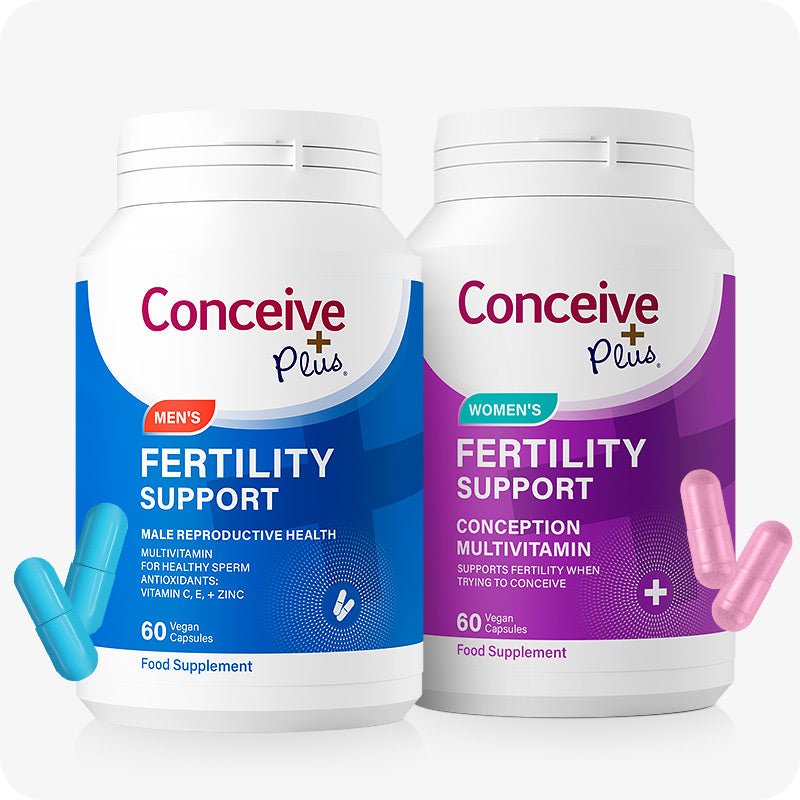
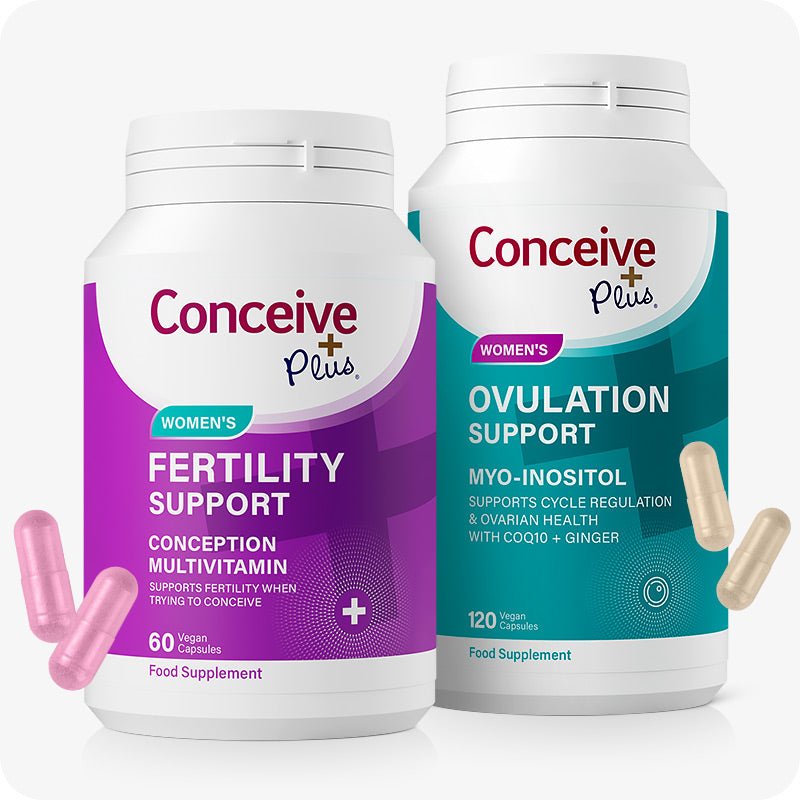
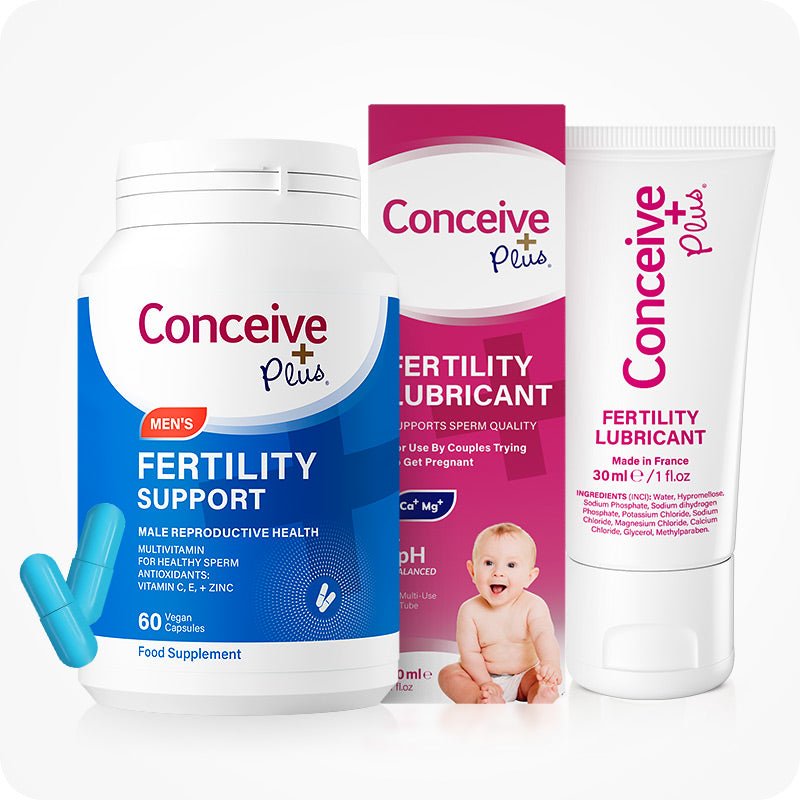
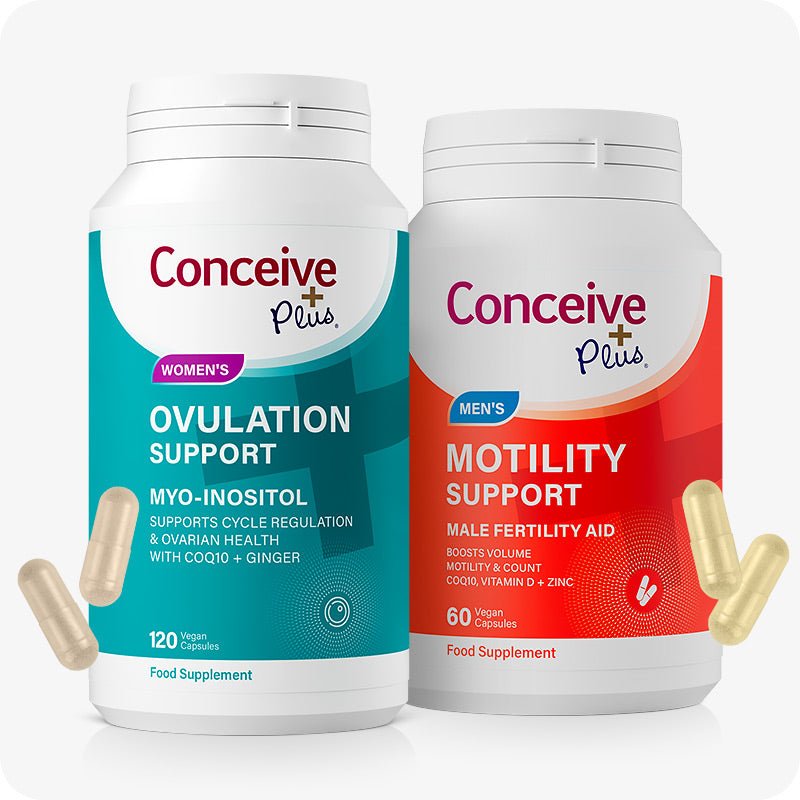
Conceive Plus supplements are formulated with the evidence-based nutrients — CoQ10, folate, zinc, vitamin D — that support fertility for women and men across Europe.
Shop Fertility Supplements →Understanding which hormones matter for fertility, and what they indicate, helps you interpret your test results:
AMH (Anti-Müllerian Hormone)
AMH is produced by the granulosa cells of developing follicles in the ovaries. Its level reflects the number of follicles available — a proxy for ovarian reserve. AMH can be tested at any point in the menstrual cycle, making it convenient for home testing or clinic testing.
- Typical reference ranges: Varies by age; generally, values above 1.0 ng/mL are considered adequate, though age-specific norms are more meaningful
- Low AMH: Suggests reduced ovarian reserve; earlier action may be warranted
- High AMH: Can be associated with PCOS; doesn't necessarily mean high fertility in all cycles
FSH (Follicle-Stimulating Hormone)
FSH is measured on Day 2–4 of the menstrual cycle (early follicular phase). Elevated FSH indicates that the pituitary gland is working harder to stimulate the ovaries — a sign of declining ovarian reserve.
- Normal FSH (Day 3): Under 10 IU/L is generally considered normal
- Elevated FSH: Above 15–20 IU/L may suggest reduced ovarian reserve and impact IVF stimulation response
LH (Luteinising Hormone)
LH drives ovulation — it's the surge of LH that triggers egg release. Ovulation predictor kits (OPKs) detect the LH surge. Elevated baseline LH (outside the surge) can be a sign of PCOS or diminished ovarian reserve.
Oestradiol (E2)
Oestradiol is measured alongside FSH on Day 2–3. Elevated early-cycle oestradiol may suppress FSH (causing a falsely normal FSH reading) and itself indicates reduced ovarian reserve.
Progesterone
A mid-luteal progesterone test (typically Day 21 in a 28-day cycle, or 7 days after confirmed ovulation) confirms whether ovulation occurred and whether the luteal phase is adequate. A value above 30 nmol/L (approximately 10 ng/mL) generally confirms ovulation; values below this may indicate inadequate ovulation or luteal phase deficiency.
Prolactin
Elevated prolactin (hyperprolactinaemia) can suppress ovulation and reduce LH and FSH secretion. Causes include pituitary microadenomas, thyroid conditions, and certain medications. A prolactin test is often included in a broader hormone panel.
Thyroid Hormones (TSH, Free T4)
Thyroid dysfunction — both hypothyroidism and hyperthyroidism — can significantly impair fertility and increase miscarriage risk. TSH (thyroid-stimulating hormone) is the primary screening test; a result above 2.5 mIU/L is considered suboptimal for conception by many fertility specialists, even if within the general "normal" reference range.
At-Home Fertility Tests: What's Available
AMH Blood Tests at Home
Several companies now offer home AMH testing through a finger-prick blood sample sent to a laboratory. Results are typically returned within a week. These tests provide a genuine clinical measurement of AMH and are processed by accredited labs.
Hormone Panels
Comprehensive at-home hormone panels typically test AMH, FSH, LH, oestradiol, and sometimes prolactin and TSH. These give a broader picture of reproductive hormone status than AMH alone.
Ovulation Predictor Kits (OPKs)
OPKs are arguably the most widely used at-home fertility test. By detecting the LH surge, they confirm that the hormonal signal for ovulation is occurring — a prerequisite for natural conception. Advanced OPKs also measure oestrogen to identify the full fertile window.
Progesterone Tests
At-home progesterone tests (typically via a finger-prick sample sent to a lab, or rapid urine strips in some newer products) can confirm ovulation occurred in the luteal phase.
Sperm Analysis at Home
Male factor infertility accounts for up to 50% of fertility challenges in couples. At-home sperm tests now offer measurement of sperm count, motility, and in some cases morphology and DNA fragmentation. While clinic-based semen analysis remains the diagnostic standard, home sperm tests offer an accessible and private starting point.
Interpreting Your Results: What to Do Next
Receiving fertility test results can feel overwhelming, particularly if values are outside the expected range. Here's a framework for interpreting common results:
If AMH is Low for Your Age
Low AMH suggests reduced egg quantity. Steps to consider:
- Request a follow-up clinic appointment to assess FSH and antral follicle count (AFC) by ultrasound — together these give a clearer picture of ovarian reserve
- Discuss reproductive planning timelines with a specialist; if IVF is being considered, lower AMH means earlier action is generally better
- Prioritise egg quality through nutrition and supplementation: CoQ10 has the best evidence for supporting mitochondrial function in eggs
- Do not panic: low AMH does not mean zero fertility; it means your window for action may be shorter
If FSH is Elevated
Elevated Day 3 FSH, particularly combined with an elevated oestradiol, suggests diminished ovarian reserve. Specialist review is recommended without delay, especially for women over 35.
If Progesterone is Low
A low mid-luteal progesterone may indicate either that ovulation didn't occur or that the luteal phase is insufficient. Repeat testing is often recommended; OPK-confirmed ovulation helps contextualise the result.
If Thyroid Values Are Abnormal
Thyroid dysfunction is highly treatable and optimising thyroid levels before conception significantly improves outcomes. Refer to an endocrinologist or GP for thyroid management — do not attempt to self-manage with over-the-counter supplements.
If Sperm Parameters Are Below Normal
WHO (2021) reference values for normal semen analysis:
- Total motility: ≥42%
- Progressive motility: ≥30%
- Total sperm count: ≥39 million per ejaculate
- Morphology: ≥4% normal forms
If results fall below these values, a clinic-based repeat semen analysis is the next step. Many men with initially abnormal results have normal or near-normal analysis on repeat testing — semen quality varies considerably based on illness, stress, and the testing window.
Fertility Testing and Age: What Changes Over Time
Age is the single most significant factor affecting female fertility. Understanding the age-related changes in fertility testing context is important:
- Under 35: Ovarian reserve is typically adequate; fertility testing is most useful for identifying unexpected issues (thyroid, elevated FSH, anovulation)
- 35–37: AMH testing becomes more relevant; reserve may be declining; earlier specialist referral if results are concerning
- 38–40: Both quantity and quality of eggs are declining; proactive specialist review is recommended even if tests are reassuring
- Over 40: AMH, FSH, and antral follicle count are all important; IVF planning may be recommended earlier; testing doesn't negate the value of trying naturally
For men, age also matters — though the decline is more gradual. Sperm DNA fragmentation increases with age, which can affect fertilisation rates and increase miscarriage risk. Men over 40 may benefit from sperm DNA fragmentation testing in addition to standard semen analysis.
From Testing to Action: Supporting Fertility Naturally
Fertility testing reveals your current status; supplements and lifestyle changes are how you support and optimise it. Key evidence-based interventions:
For Women
- Folate/methylfolate: Essential pre-conception; start 3 months before trying to conceive
- CoQ10 (ubiquinol form): 200–600mg daily; supports egg mitochondrial function, particularly relevant for women over 35 or with low reserve
- Vitamin D: Deficiency is associated with reduced IVF success and endometriosis progression; optimise to 50–80 nmol/L
- Inositol: Myo-inositol and d-chiro-inositol are evidence-based for PCOS-related fertility improvement
- Omega-3 fatty acids: Support egg quality and reduce inflammation
For Men
- Zinc and selenium: Essential minerals for sperm production and DNA integrity
- L-carnitine: Improves sperm motility by supporting mitochondrial energy metabolism
- CoQ10: Antioxidant with evidence for improving sperm count and motility
- Vitamin C and E: Reduce oxidative stress-driven sperm DNA damage
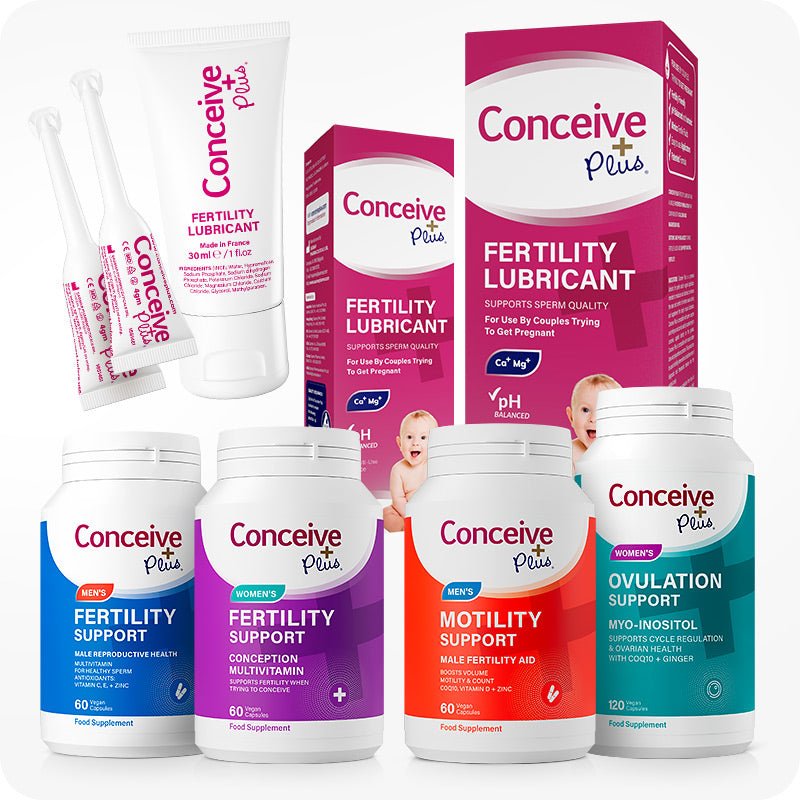
Conceive Plus offers a comprehensive range of fertility supplements formulated with these evidence-based nutrients for both women and men. Explore the full range at Conceive Plus Europe.
When At-Home Testing Isn't Enough
At-home fertility testing is a valuable starting point, but there are situations where clinic-based assessment is needed:
- Any abnormal at-home result warrants follow-up with a healthcare provider
- After 12 months of trying without success if under 35 (6 months if 35 or older)
- Known conditions that affect fertility: PCOS, endometriosis, fibroids, prior STIs, thyroid disease, irregular periods
- Prior chemotherapy or radiation treatment
- Recurrent miscarriage (2 or more)
- Prior tubal surgery or ectopic pregnancy
A clinic-based evaluation will typically include: transvaginal ultrasound (antral follicle count, uterine assessment), hysterosalpingography (HSG) to confirm tubal patency, full hormone panel, and clinic-standard semen analysis for your partner.
Frequently Asked Questions About Fertility Testing at Home
Q: Is at-home AMH testing as accurate as a clinic test?
A: Home AMH tests use the same laboratory immunoassay methods as clinic tests when processed by accredited labs. Finger-prick blood volume is smaller and collection technique matters — follow instructions carefully. Results are generally comparable to venous blood tests.
Q: What's the best time of the month to test fertility hormones?
A: AMH can be tested at any point in the cycle. FSH and oestradiol should be tested on Day 2–4. Progesterone is tested 7 days after confirmed ovulation (Day 21 in a typical 28-day cycle). Thyroid hormones can be tested at any time.
Q: Can stress affect my fertility test results?
A: Acute stress can briefly affect some hormone levels, particularly cortisol, which can suppress reproductive hormone production. For most standard fertility markers (AMH, FSH), a single stressful event is unlikely to cause significant variation — though chronic stress has broader effects on reproductive function.
Q: How much do at-home fertility tests cost?
A: Costs vary significantly. OPKs can be purchased in bulk for under €20. Comprehensive hormone panels (AMH, FSH, LH, oestradiol) from reputable at-home test companies typically range from €80–€150. Sperm analysis tests range from €30–€100 depending on the parameters included.
Q: Should both partners test, or just the woman?
A: Both partners should be tested when you begin a fertility evaluation. Male factor is implicated in up to 50% of infertility cases, and identifying male factors early significantly changes the treatment approach.
Q: My AMH is low — should I panic?
A: No. Low AMH tells you about egg quantity, not quality. Many women with low AMH conceive naturally or with minimal intervention. What low AMH should prompt is earlier action and a specialist conversation — not despair.
Q: How often should I retest?
A: Annual retesting of AMH is reasonable for women monitoring their reserve, particularly over 35. Hormone panels don't need to be repeated unless your situation changes significantly. OPKs are used cyclically during the TTC process.
Q: Can supplements change my fertility test results?
A: Supplements that support egg quality (CoQ10) or hormonal balance (inositol for PCOS) may improve biological fertility over time, which could be reflected in improved test parameters like AMH or cycle regularity. However, supplements won't quickly change a single hormone measurement.
Taking Control of Your Fertility Journey
At-home fertility testing puts meaningful information in your hands — helping you move from uncertainty to understanding. Whether your results are reassuring or highlight areas for attention, having data creates a foundation for informed decision-making: about timing, about supplements, about when to see a specialist, and about your overall conception strategy.
Combine the insights from testing with comprehensive nutritional support, accurate ovulation tracking, and proactive specialist engagement when indicated — and you'll be approaching your fertility journey with every advantage at your disposal.
Conceive Plus is here to support every step of that journey. Explore our complete range of fertility supplements at Conceive Plus Europe — formulated for real results, backed by science.
Complement your testing with targeted supplementation
Conceive Plus supplements are formulated with the evidence-based nutrients — CoQ10, folate, zinc, vitamin D — that support fertility for women and men across Europe.
Shop Fertility Supplements →