Endometriosis and Fertility: Understanding Your Options for Getting Pregnant


Endometriosis and Fertility: Understanding Your Options for Getting Pregnant
Endometriosis affects approximately 1 in 10 women of reproductive age — yet for many, it remains undiagnosed for years, often attributed to "normal period pain" until fertility challenges emerge. For those with endometriosis who want to conceive, navigating the intersection of this complex condition and reproductive planning requires accurate information, specialist care, and an understanding of all available options.
This guide provides a comprehensive overview of how endometriosis affects fertility, what investigations and treatments are available across Europe, and how to optimise your chances of conceiving — naturally and with assistance.
What Is Endometriosis and Why Does It Affect Fertility?
Endometriosis is a chronic inflammatory condition in which tissue similar to the endometrium (uterine lining) grows outside the uterus — most commonly on the ovaries, fallopian tubes, peritoneum, and bowel. Each month, like the uterine lining, this ectopic tissue responds to hormonal cycles: thickening, breaking down, and bleeding. Unlike menstrual blood, which exits through the cervix, this blood has nowhere to go, causing inflammation, adhesions, and scar tissue.
The mechanisms by which endometriosis impairs fertility are multiple and partially interdependent:
- Ovarian endometriomas (chocolate cysts) — fluid-filled cysts on the ovaries that damage healthy follicle tissue and reduce ovarian reserve
- Tubal distortion and blockage — adhesions and scarring can obstruct the fallopian tubes, preventing egg and sperm from meeting
- Peritoneal inflammatory environment — elevated prostaglandins, cytokines, and macrophages in peritoneal fluid impair sperm function and embryo development
- Altered endometrial receptivity — emerging evidence suggests that even without obvious structural disease, endometriosis may impair the implantation window through changes in endometrial gene expression
- Ovulation disorders — some women with endometriosis experience luteinised unruptured follicle syndrome (LUFS), where the follicle doesn't release the egg despite appearing to have ovulated
Stages of Endometriosis and Fertility Impact
Ready to support your fertility journey?
Shop Conceive Plus Now →Endometriosis is classified by the American Society for Reproductive Medicine (ASRM) into four stages (I–IV) based on the extent of implants and adhesions. However, the relationship between stage and fertility is not strictly linear:
- Stage I–II (Minimal/Mild): Small implants, no or minor adhesions. Fertility impact can be significant despite apparently limited disease, particularly due to inflammatory factors
- Stage III–IV (Moderate/Severe): Larger implants, significant adhesions, possible endometriomas. More likely to cause mechanical fertility barriers
Importantly, some women with Stage IV endometriosis conceive naturally, while some with Stage I experience significant infertility. Stage alone should not drive treatment decisions — the full clinical picture matters.
Getting a Diagnosis
The gold standard for diagnosing endometriosis remains laparoscopy (keyhole surgery) with biopsy. However, pre-surgical evaluation includes:
- Transvaginal ultrasound: Identifies ovarian endometriomas and sometimes deep infiltrating endometriosis (DIE), but cannot detect peritoneal implants or mild disease
- MRI: More detailed soft tissue imaging, particularly for DIE involving bowel or bladder
- CA-125 blood test: Elevated in some women with endometriosis but non-specific; not diagnostic alone
The average time from symptom onset to diagnosis of endometriosis is 7–10 years in Europe — a troubling delay during the reproductive window. If you have symptoms (painful periods, painful intercourse, pelvic pain, or difficulty conceiving) and suspect endometriosis, advocate for investigation.
Treatment Options and Fertility Considerations
Surgical Treatment
Laparoscopic surgery to excise or ablate endometriosis implants and drain or remove endometriomas can improve natural conception rates in stages I–IV disease. A Cochrane systematic review found that laparoscopic surgery for minimal/mild endometriosis significantly improved live birth rates compared to no treatment (OR 1.94).
However, ovarian surgery carries a risk of reducing ovarian reserve — particularly for endometriomas. The balance between removing disease and preserving fertility requires careful discussion with a specialist surgeon. Many European fertility centres recommend that women with endometriomas considering surgery first assess their AMH (anti-Müllerian hormone) baseline to understand the reserve risk.
IVF for Endometriosis
In vitro fertilisation (IVF) is recommended for women with:
- Tubal factor infertility secondary to endometriosis
- Failed natural conception after 12–18 months (adjusted for age)
- Severe endometriosis with significant ovarian or tubal involvement
- Male partner fertility factors in addition to endometriosis
IVF outcomes in endometriosis are somewhat lower than in women without the condition, partly due to reduced ovarian reserve and potentially altered endometrial receptivity. Some clinics in Europe use pre-implantation genetic testing (PGT-A) to maximise the chance of transferring chromosomally normal embryos. ERA (Endometrial Receptivity Analysis) testing is also increasingly used to identify the optimal personalised implantation window.
IUI (Intrauterine Insemination)
IUI with ovarian stimulation is sometimes offered for mild endometriosis with patent tubes. Evidence for its superiority over timed natural intercourse in this group is mixed, and it is generally less recommended in European guidelines (ESHRE) for moderate-severe disease where IVF is likely to provide better outcomes.
Medical Treatment and Fertility
Hormonal suppression therapies (GnRH agonists, combined oral contraceptive, progestins) are effective at managing endometriosis symptoms but are inherently incompatible with active TTC as they prevent ovulation and menstruation. They may be used:
- Prior to IVF to downregulate endometriosis activity (long protocol)
- Between pregnancy attempts for symptom management
- Post-surgically to reduce recurrence
Natural Conception with Endometriosis
Many women with endometriosis — particularly stages I–II — do conceive naturally. The strategy for optimising natural conception includes:
Accurate Ovulation Timing
Irregular cycles and anovulatory cycles are more common in endometriosis. Using quality ovulation predictor kits (OPKs) and monitoring cervical mucus changes improves timing accuracy. BBT charting provides confirmatory evidence that ovulation occurred.
Fertility-Supportive Lubricant
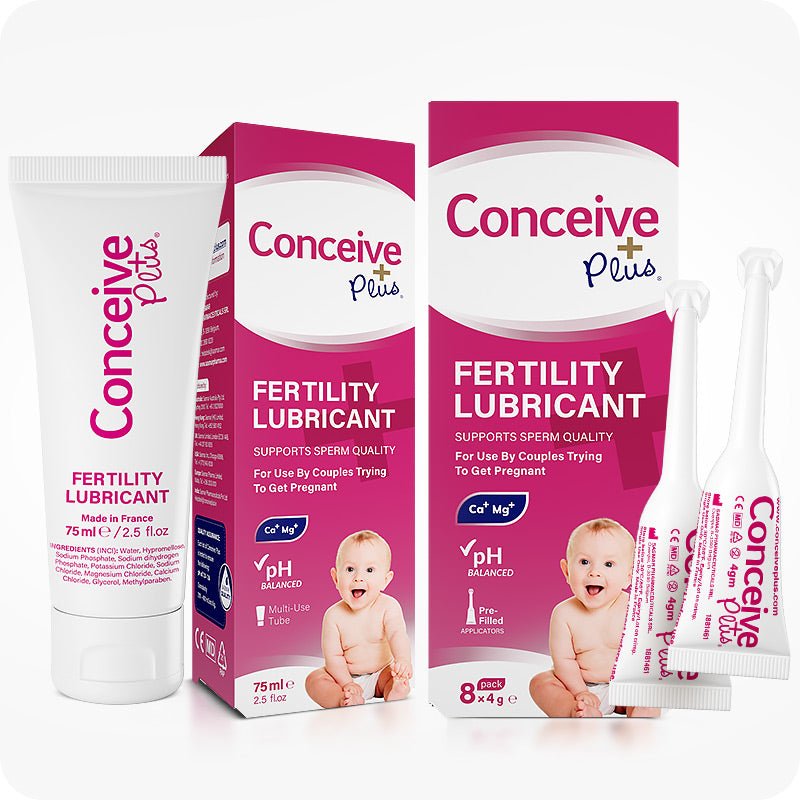
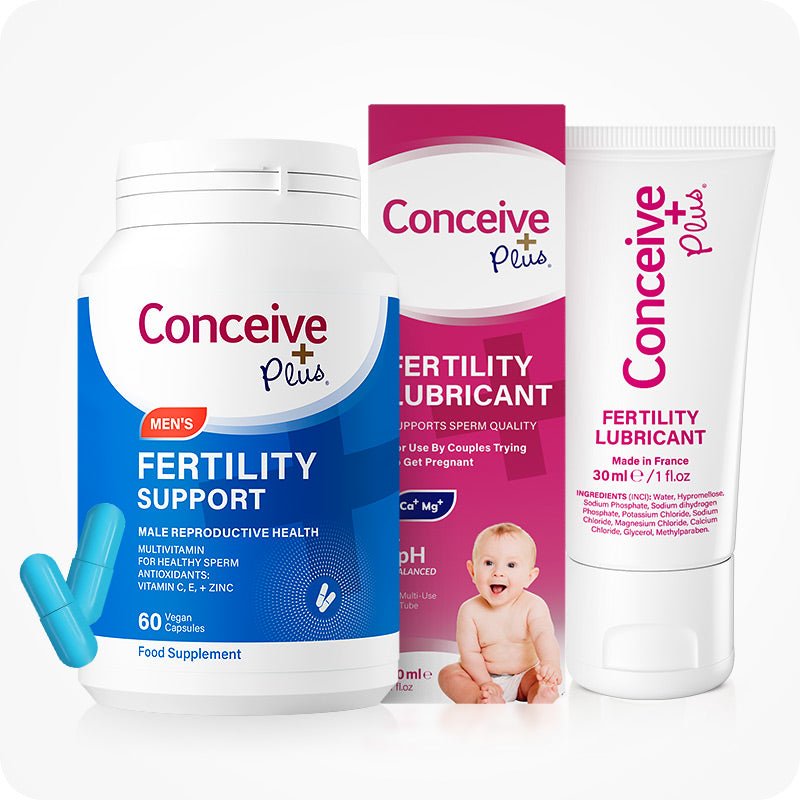
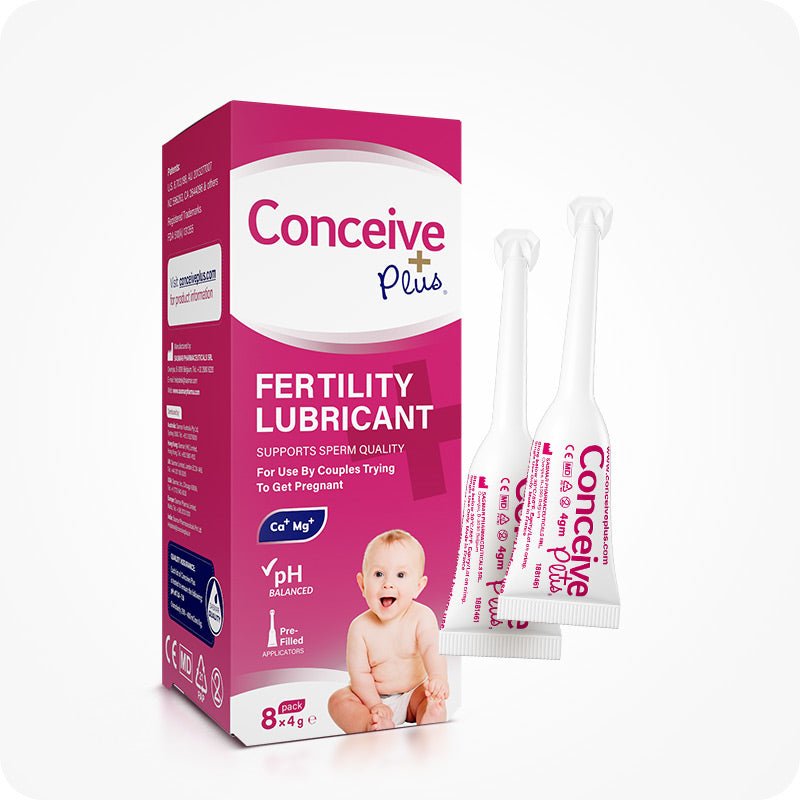
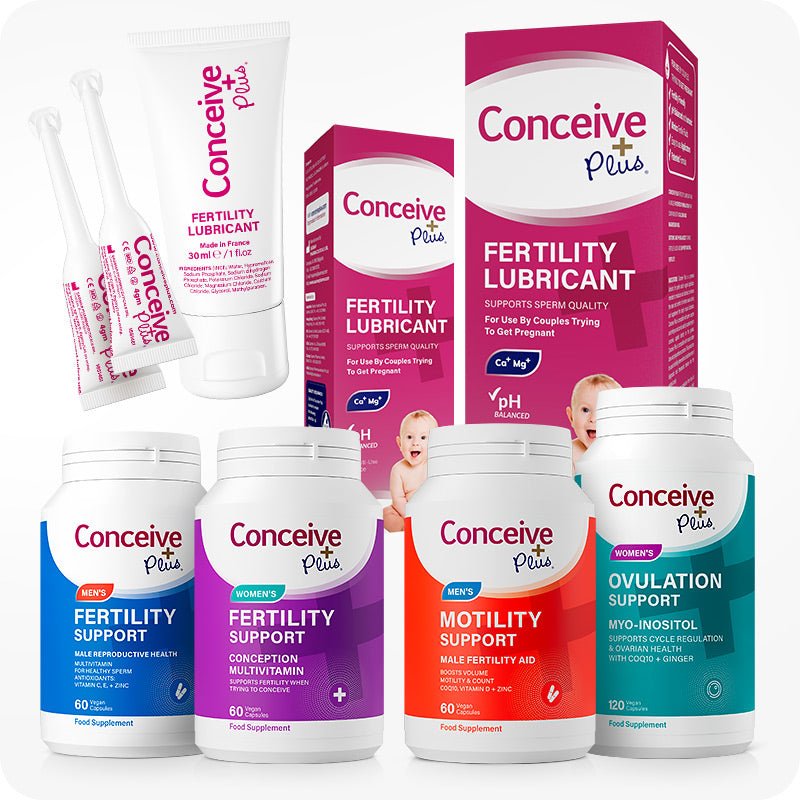
Dyspareunia (painful intercourse) is one of the hallmark symptoms of endometriosis and can make timed intercourse emotionally and physically difficult. Conceive Plus fertility lubricant reduces friction and discomfort without compromising sperm viability — it is pH-balanced, osmolality-matched, and FDA-cleared for use while trying to conceive. For couples navigating the intersection of endometriosis symptoms and timed conception, it provides meaningful relief.
Explore Conceive Plus Fertility Lubricants →
Anti-Inflammatory Nutrition
Endometriosis has a strong inflammatory component. Research supports an anti-inflammatory dietary approach:
- High omega-3 fatty acids (oily fish, walnuts, flaxseed) — reduce prostaglandin-driven inflammation
- Cruciferous vegetables (broccoli, cauliflower, kale) — support estrogen metabolism
- Minimise red meat and trans fats — associated with higher endometriosis risk in observational studies
- Antioxidant-rich diet (berries, colourful vegetables) — reduces oxidative stress in the peritoneal environment
Targeted Supplementation
Several supplements have demonstrated potential benefit in endometriosis-related fertility:
- N-acetyl cysteine (NAC) — a 2013 Italian trial found that NAC significantly reduced endometrioma size
- Vitamin D — deficiency is highly prevalent in endometriosis patients; supplementation modulates immune function
- Omega-3 (EPA/DHA) — reduces inflammatory cytokines in endometriosis tissue
- Melatonin — antioxidant with promising preliminary evidence for reducing endometriosis pain
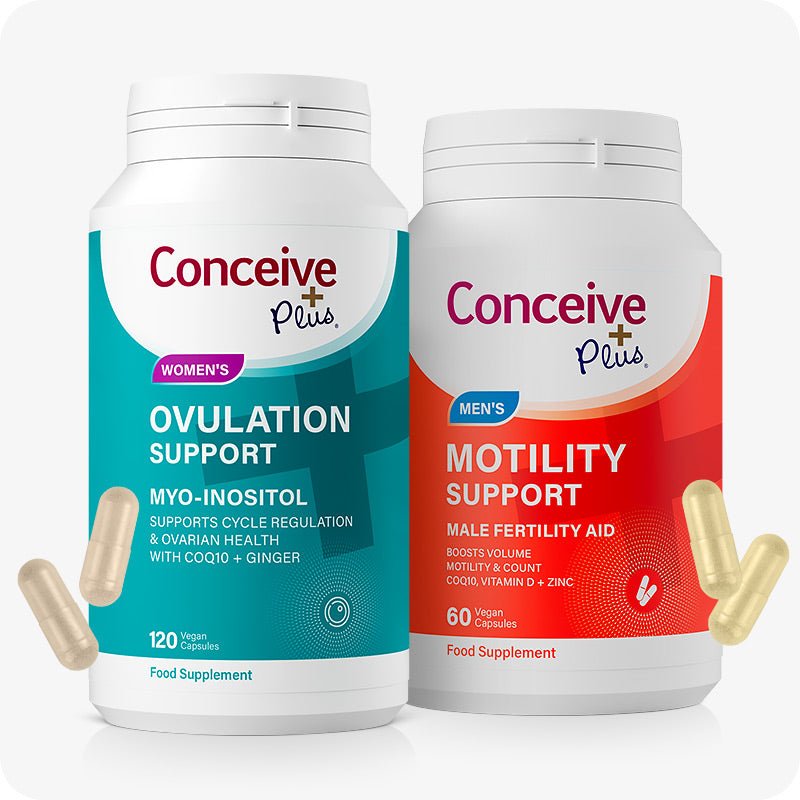
- CoQ10 — supports egg quality, particularly important when ovarian reserve is compromised
Shop Conceive Plus Fertility Supplements →
Preserving Fertility with Endometriosis
For women with endometriosis who are not yet ready to conceive, fertility preservation (egg freezing) is increasingly recommended — particularly before ovarian surgery that may further reduce reserve. ESHRE guidelines support offering fertility preservation discussion to women with endometriosis in their 20s and early 30s who may wish to have children later but are not yet ready.
Psychological Support
Living with endometriosis is challenging enough; combining it with fertility concerns creates a significant psychological burden. Research shows that women with endometriosis have higher rates of anxiety and depression, and that the diagnostic delay itself causes psychological harm. Specialist counselling, peer support groups (Endometriosis Association, EndoMarch Europe), and cognitive-behavioural therapy adapted for chronic illness are valuable supports alongside medical treatment.
Frequently Asked Questions About Endometriosis and Fertility
Q: Can I get pregnant naturally with Stage IV endometriosis?
A: Yes — natural conception is possible even with Stage IV disease, though the probability per cycle is lower than in women without endometriosis. The decision between pursuing further natural attempts and proceeding to IVF should be guided by age, duration of infertility, and the specific anatomy involved, in consultation with a reproductive endocrinologist.
Q: Does pregnancy cure endometriosis?
A: Pregnancy and breastfeeding suppress ovulation and reduce estrogen levels, often providing relief from endometriosis symptoms for the duration. However, endometriosis returns in most women after hormone levels normalise post-partum. It is not a cure, but it provides temporary suppression.
Q: Will an endometrioma affect my IVF results?
A: Endometriomas reduce egg numbers retrieved and may affect egg quality. The decision to surgically remove an endometrioma before IVF is complex — surgery may improve access to follicles but risks further reducing ovarian reserve. This decision requires individualised specialist guidance.
Q: How does endometriosis affect sperm?
A: The inflammatory peritoneal environment in endometriosis contains elevated levels of reactive oxygen species (ROS), macrophages, and cytokines that are hostile to sperm. This is one reason why fertility is impaired even when tubes are patent and sperm counts are normal — the hostile environment reduces sperm function before fertilisation can occur.
Q: What is deep infiltrating endometriosis and how does it affect fertility?
A: DIE involves lesions penetrating more than 5mm below the peritoneal surface, often involving the bowel, bladder, or uterosacral ligaments. It is associated with more severe symptoms and may require complex surgery by a specialist DIE surgeon. Fertility impacts are significant due to adhesion formation and distorted anatomy.
Q: Can supplements help reduce endometriosis symptoms?
A: Some supplements — particularly omega-3 fatty acids, NAC, vitamin D, and melatonin — have demonstrated reductions in endometriosis-related pain and inflammation in clinical trials. While not replacements for medical treatment, they may complement it, particularly in the interval between active treatment cycles.
Q: How long should I try naturally with endometriosis before moving to IVF?
A: ESHRE guidelines suggest that women with endometriosis and no other identified fertility factors may be offered a 12-month trial of natural conception if under 35 (6 months if over 35), or accelerated to IVF earlier based on disease severity, age, and partner factors. This decision requires individual specialist assessment.
Q: Is donor egg IVF an option for women with severe endometriosis?
A: Yes — for women with severely diminished ovarian reserve secondary to endometriosis and/or multiple surgeries, donor egg IVF (using eggs from a healthy donor) can bypass the ovarian reserve limitation and achieve excellent pregnancy rates. This is legal and widely practised across Europe.
Conclusion: Informed, Empowered, and Supported
Endometriosis and fertility are deeply intertwined, but endometriosis is not an infertility sentence. With accurate diagnosis, appropriate treatment, fertility optimisation, and specialist support, the majority of women with endometriosis who wish to conceive will do so. The path may be more complex than anticipated — but it is navigable.
Conceive Plus supports couples through every stage of that journey, from the gentle physical comfort of a sperm-safe fertility lubricant to the nutritional foundation provided by comprehensive fertility supplements designed for the demands of trying to conceive with complex health backgrounds.