IVF Preparation: How to Prepare Your Body and Mind Before Treatment


IVF Preparation: How to Prepare Your Body and Mind Before Treatment
Preparing for IVF (in vitro fertilisation) is a physically and emotionally significant undertaking. The decisions you make in the 3–6 months before treatment can influence egg quality, sperm parameters, embryo development, and ultimately your chances of a successful outcome. This comprehensive guide covers the evidence-based steps you can take to optimise your IVF preparation — from nutrition and lifestyle to supplements, mental health, and what to expect at each stage.
Understanding the IVF Timeline
IVF is a multi-stage process that typically spans 4–6 weeks per cycle, but the most important preparation window begins 3 months before. This is because:
- Eggs take approximately 90 days to mature (folliculogenesis)
- Sperm renew every 72–90 days
- Nutritional status and lifestyle factors from this pre-IVF period directly influence the quality of eggs and sperm used in the cycle
A typical IVF cycle involves: ovarian stimulation with hormone injections (10–14 days), egg retrieval under sedation, fertilisation in the lab, embryo culture (3–5 days), and embryo transfer. If more embryos than immediately needed are produced, the extras are frozen for future cycles.
Nutrition for IVF Preparation
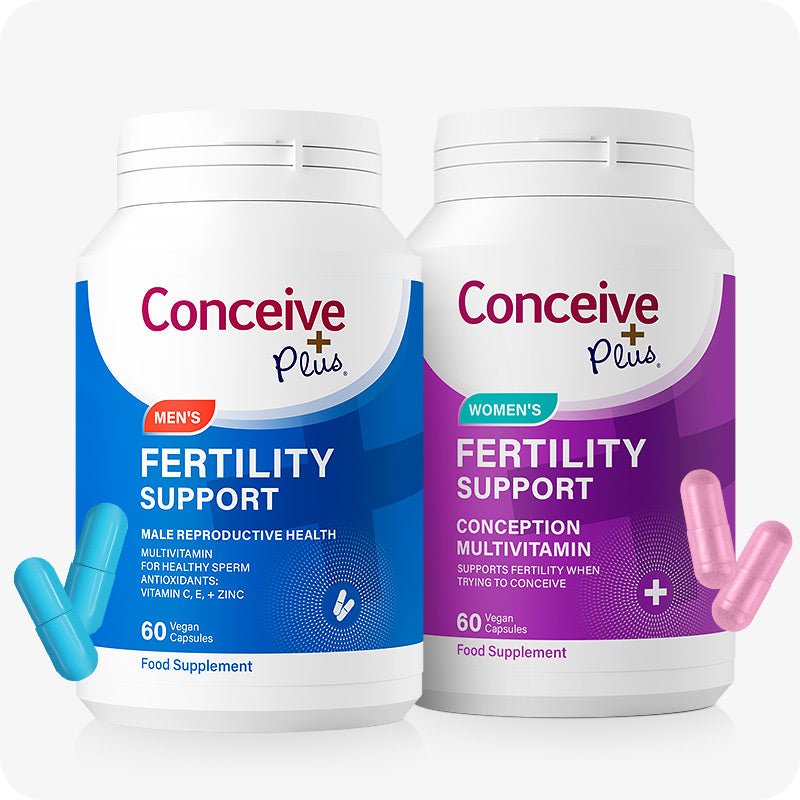
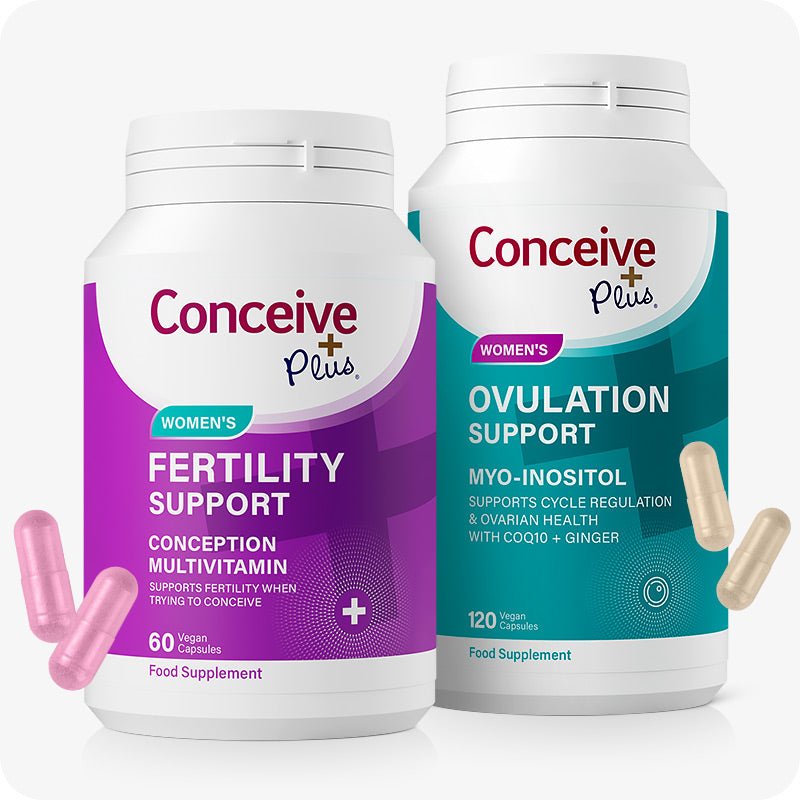
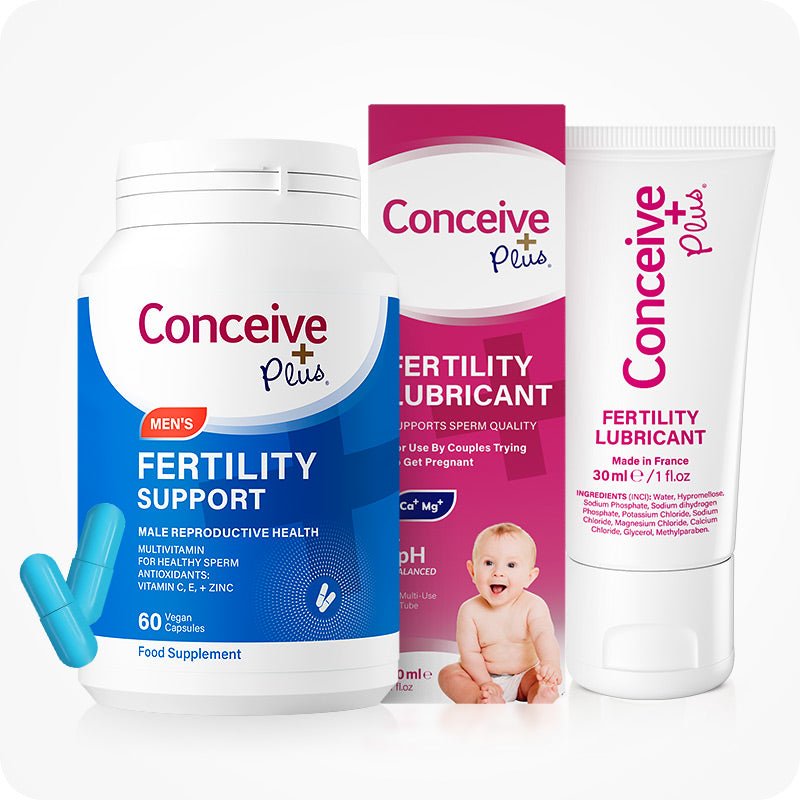
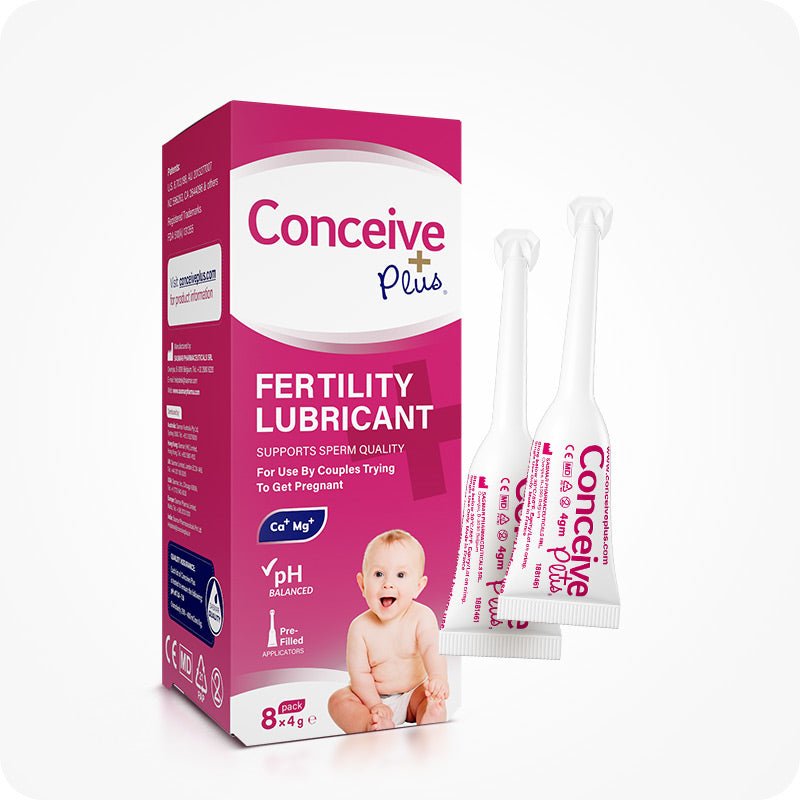
Conceive Plus is trusted by thousands of couples worldwide. Explore our complete range of fertility products.
Shop Conceive Plus →
What you eat during your IVF preparation period has a measurable impact on outcomes. A 2018 study of IVF patients found those following a Mediterranean diet had a 40% higher clinical pregnancy rate and 65% higher live birth rate compared to those who didn't.
IVF preparation diet priorities:
- Antioxidant-rich foods: Berries, leafy greens, tomatoes, nuts, and seeds protect eggs and sperm from oxidative damage during the stimulation phase
- Healthy fats: Avocado, olive oil, fatty fish, and walnuts support hormone production and reduce inflammation
- Adequate protein: Needed for follicle development and embryo quality — include eggs, legumes, fish, and lean meat
- Complex carbohydrates: Manage insulin levels, which affect ovarian response. Avoid refined sugars and white starch.
- Hydration: Aim for 2–2.5 litres daily — vital for follicle development and uterine lining
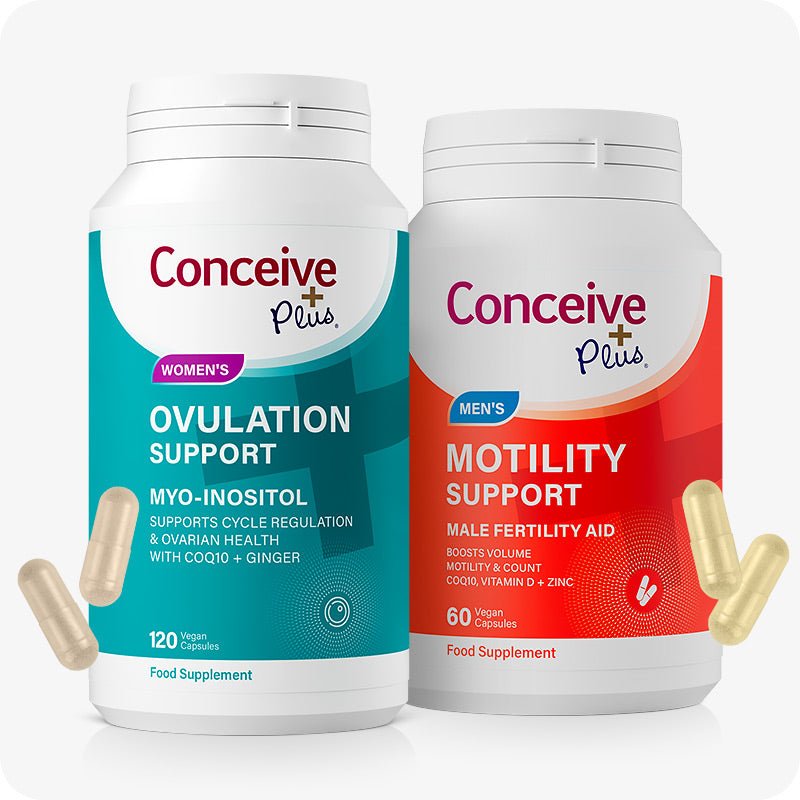
Conceive Plus Women's Fertility Supplements provide folate, CoQ10, inositol, and essential micronutrients to support IVF preparation.
Shop Fertility Supplements Europe →
Key Supplements for IVF Preparation
Several supplements have strong clinical evidence for improving IVF outcomes:
Coenzyme Q10 (CoQ10)
Perhaps the most important supplement for IVF preparation. CoQ10 is a mitochondrial energy cofactor that declines with age. Mitochondria are critical for egg quality — they power the cellular machinery of fertilisation and early embryo development. Studies show 400–600mg daily of CoQ10 for 60 days before IVF improves ovarian response, egg quality, and fertilisation rates, particularly in women over 35 or those with diminished ovarian reserve.
5-MTHF (Active Folate)
Standard folic acid must be converted to its active form (5-MTHF) by an enzyme that many people have reduced activity of due to MTHFR gene variants. For IVF preparation, taking the active form (methylfolate or 5-MTHF) ensures optimal DNA synthesis and methylation during early embryo development. Dose: 400–800 mcg daily, begun at least 1–3 months before cycle.
Vitamin D
Vitamin D receptors are present in follicles, the endometrium, and reproductive tissue. Deficiency is associated with poor ovarian response and lower IVF success rates. Studies show women with higher vitamin D levels have better embryo quality and clinical pregnancy rates. Have levels tested and supplement to reach 50–80 ng/mL (125–200 nmol/L).
Myo-Inositol
Particularly valuable for women with PCOS undergoing IVF. Myo-inositol improves insulin sensitivity, reduces androgen levels, supports better egg quality, and may improve ovarian response to stimulation. Dose: 2,000–4,000mg daily.
Omega-3 Fatty Acids
DHA and EPA support anti-inflammatory pathways, improve uterine blood flow, and have been associated with better IVF outcomes. Dose: 1,000–2,000mg combined DHA/EPA from fish oil daily. Important for men too — improves sperm membrane integrity.
For Men: Zinc, Selenium, L-Carnitine
Male IVF preparation should include zinc (15–30mg) for DNA integrity, selenium (100–200 mcg) for motility, and L-carnitine (1,000–2,000mg) for sperm energy production. Antioxidant formulas combining these with vitamin C and E are widely used.
Lifestyle Factors in IVF Preparation
Lifestyle modifications in the 3 months before IVF can significantly influence outcomes:
Stop Smoking
Smoking is one of the most damaging factors for IVF success. It reduces ovarian reserve, egg quality, fertilisation rates, and implantation success, and increases miscarriage risk. Quitting at least 3 months before treatment is strongly recommended. For men, smoking damages sperm DNA — increasing DNA fragmentation which is associated with lower fertilisation rates and embryo quality.
Reduce Alcohol
Even moderate drinking impacts IVF outcomes. Studies consistently show that alcohol consumption is associated with fewer eggs retrieved, lower fertilisation rates, and reduced live birth rates. The safest approach for IVF preparation is abstinence, or at minimum limiting to occasional very moderate drinking.
Healthy Weight
BMI significantly affects IVF outcomes. Both underweight (BMI <18.5) and overweight (BMI >30) are associated with lower success rates. Many clinics set BMI criteria (typically 18.5–35) for treatment. If weight adjustment is needed, begin 3–6 months before your cycle.
Exercise — The Right Amount
Moderate exercise supports IVF preparation — it improves insulin sensitivity, reduces stress, maintains healthy weight, and supports circulation. However, intensive exercise (>4 hours of vigorous activity per week) is associated with lower IVF success rates. During stimulation, reduce to light walking and yoga.
Sleep
7–9 hours of quality sleep is essential for hormone regulation. Melatonin — produced during sleep — is a powerful antioxidant that protects developing eggs in follicles. Disrupted circadian rhythm (from shift work or severe insomnia) is associated with lower ovarian response.
Conceive Plus fertility supplements support both women and men in preparing for IVF — from egg quality to sperm health.
Explore IVF Preparation Supplements →
Mental Health and Emotional Preparation for IVF
IVF is emotionally demanding. Rates of anxiety and depression among IVF patients are significant — studies suggest up to 25% of women experience clinically significant anxiety before or during treatment. Emotional IVF preparation is as important as physical:
- Counselling: Many clinics offer or mandate pre-IVF counselling. Even if not required, speaking with a fertility counsellor helps build coping strategies for all outcomes.
- Mind-body practices: Mindfulness, yoga, acupuncture, and meditation have been shown to reduce IVF-related stress. Some studies suggest mind-body interventions may also improve IVF outcomes, though evidence is mixed.
- Build your support network: Decide who you'll tell about your treatment. Having 1–2 trusted people who know what you're going through is associated with better emotional outcomes.
- Plan for time off: Egg retrieval requires at least 1–2 days off work. Some women take a full week. Have this planned and arranged before you start.
- Create a "cycle survival kit": Comfortable clothes, heat packs (for bloating), entertainment, healthy snacks, and your preferred comfort foods for the stimulation and retrieval phase.
What to Expect During IVF: Stage by Stage
Ovarian Stimulation (Days 1–14)
Daily hormone injections stimulate multiple follicle development. You'll have regular monitoring appointments (ultrasound + blood tests). Common side effects: bloating, mild cramping, mood changes, injection site reactions. Ovarian Hyperstimulation Syndrome (OHSS) is a risk — your team will monitor closely and adjust doses if needed.
Egg Retrieval
Performed under light sedation or anaesthesia. A needle is guided through the vaginal wall to retrieve follicle fluid from each follicle. Takes 15–30 minutes. Recovery: rest for the remainder of the day; most women return to light activity in 1–2 days.
Fertilisation and Embryo Culture
Eggs are fertilised in the lab (via standard IVF or ICSI). Embryo development is monitored over 3–5 days. By day 5, blastocysts are formed — the highest quality are selected for transfer or freezing.
Embryo Transfer
A simple procedure (no sedation needed) where 1–2 embryos are placed into the uterus via a thin catheter. The two-week wait (TWW) until pregnancy test follows. Continue prescribed progesterone support.
Frequently Asked Questions About IVF Preparation
Q: How far in advance should I start IVF preparation?
A: Ideally, begin 3–6 months before your intended cycle. This allows time for dietary changes and supplements to influence egg quality, sperm parameters, and overall health.
Q: Can I exercise during IVF stimulation?
A: Light walking and gentle yoga are fine. Avoid high-impact, strenuous, or twisting exercises during stimulation and after transfer, as the ovaries are enlarged and at risk of torsion.
Q: Does acupuncture help with IVF success?
A: Evidence is mixed. Some studies suggest acupuncture may reduce IVF-related stress and potentially improve uterine blood flow. It's unlikely to cause harm and may provide emotional benefits.
Q: What is the most important supplement to take before IVF?
A: CoQ10 and 5-MTHF (active folate) are arguably the most critical. CoQ10 for egg mitochondrial function, and folate for DNA synthesis in developing embryos.
Q: Can I drink alcohol the night before embryo transfer?
A: It's best to avoid alcohol entirely during your IVF cycle. The night before transfer, focus on hydration, rest, and minimising stress.
Q: Is it normal to feel bloated during IVF stimulation?
A: Yes. As follicles develop, the ovaries enlarge significantly, causing bloating, fullness, and sometimes mild pain. Contact your clinic if pain is severe, as this may indicate OHSS.
Q: What is the success rate of IVF?
A: Varies significantly by age and clinic. Average live birth rates per transfer: under 35: ~40–50%; 35–37: ~30–40%; 38–40: ~20–30%; over 40: ~5–15%. Frozen embryo transfers from younger ages can maintain higher success rates.
Q: When should I test for pregnancy after embryo transfer?
A: Most clinics advise a blood beta-hCG test 10–14 days after transfer. Home pregnancy tests can produce false negatives or be influenced by trigger shot hCG if tested too early.
Conclusion: IVF Preparation Is Your First Step Toward Success
IVF preparation is a 3–6 month investment in the best possible outcome. Optimise your nutrition with a Mediterranean-style diet, supplement strategically with CoQ10, folate, vitamin D, and omega-3s, modify lifestyle factors, and address your emotional wellbeing. These evidence-based steps can meaningfully improve egg quality, sperm parameters, and IVF success rates.
Conceive Plus is proud to support couples through every stage of their fertility journey — from pre-IVF preparation to the two-week wait and beyond.
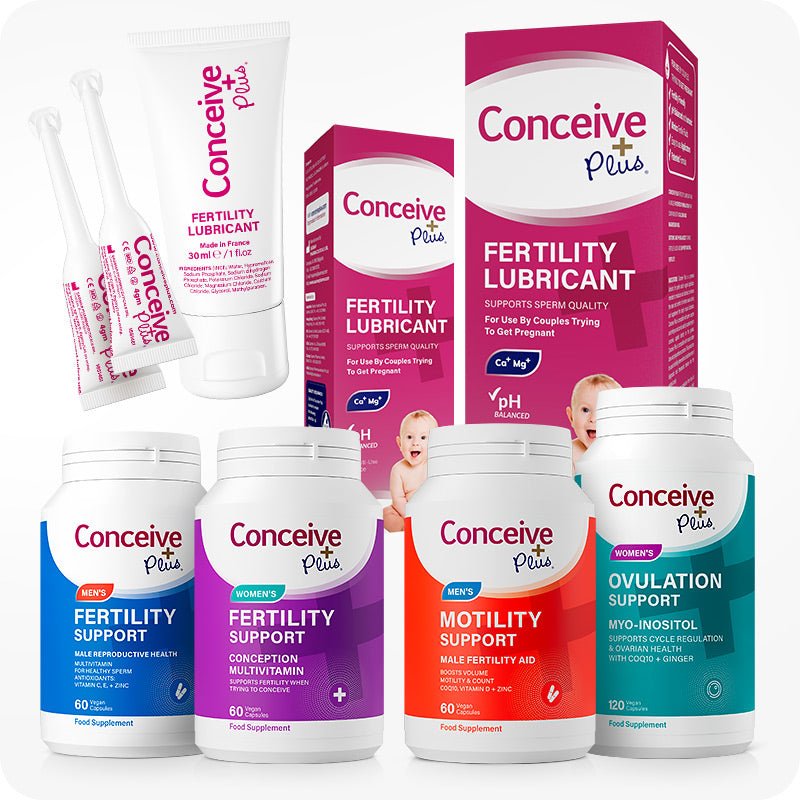
Lubricants, supplements, ovulation support, and more. Trusted by fertility specialists worldwide.
Explore All Products at Conceive Plus →