IVF Preparation — How to Optimise Your Body and Mind Before Treatment


IVF Preparation — How to Optimise Your Body and Mind Before Treatment
Beginning IVF is one of the most significant — and courageous — steps a person or couple can take on their fertility journey. It represents both hope and vulnerability: hope that advanced reproductive medicine will provide the path to parenthood, and vulnerability in surrendering to a process that can feel overwhelming, unpredictable, and emotionally demanding. Yet the period before IVF begins is not simply a waiting room — it is an opportunity. The choices made in the weeks and months leading up to treatment can meaningfully influence the quantity and quality of eggs retrieved, the response to stimulation protocols, and ultimately, the chances of a successful outcome.
Research in reproductive medicine has increasingly confirmed that both partners' nutritional status, lifestyle habits, and psychological wellbeing in the preconception period affect IVF outcomes. A 2019 systematic review published in Reproductive BioMedicine Online concluded that lifestyle factors — including diet, supplementation, weight, stress, and sleep — have a measurable impact on IVF success rates. This guide provides a comprehensive, evidence-based roadmap for preparing your body and mind for IVF, giving yourself the best possible foundation for treatment success.
Understanding the IVF Process
Before optimising for IVF, it is helpful to understand what the process involves and why preparation matters at each stage.
IVF (in vitro fertilisation) involves stimulating the ovaries with injectable gonadotropin medications to produce multiple follicles (and eggs) in a single cycle, rather than the single egg that develops during a natural cycle. After approximately 10–14 days of stimulation, eggs are retrieved under sedation via transvaginal ultrasound-guided aspiration. Retrieved eggs are then fertilised in a laboratory — either by placing sperm around the egg (conventional IVF) or by injecting a single sperm directly into each egg (ICSI). Resulting embryos are cultured for 3–5 days before being transferred to the uterus, or frozen for future use.
Key stages where preparation impacts outcomes include:
- Ovarian response: The number and quality of eggs retrieved are influenced by ovarian reserve, nutritional status, and health factors that can be partially modified in the months before stimulation.
- Egg quality: Mitochondrial function within the egg — critical for fertilisation and early embryo development — is influenced by CoQ10 and other nutritional factors over the 90–120 days preceding retrieval.
- Uterine receptivity: The quality of the uterine lining and its receptivity to embryo implantation are influenced by hormonal balance, inflammatory status, and nutritional factors.
- Sperm quality: If ICSI is used, sperm quality — including DNA fragmentation — directly affects fertilisation rates and embryo development.
Nutritional Preparation for IVF
Nutrition is one of the most well-researched and modifiable factors in IVF preparation. A nutrient-dense diet in the weeks and months preceding treatment supports follicular development, egg quality, hormonal balance, and uterine health.
The Mediterranean Diet and IVF Outcomes
The Mediterranean dietary pattern — rich in vegetables, fruits, whole grains, legumes, fish, olive oil, and nuts — has been specifically linked to improved IVF outcomes in multiple studies. A landmark 2018 study published in Human Reproduction by Karayiannis et al. followed 244 women undergoing IVF in Greece and found that women who closely adhered to a Mediterranean diet in the six months before IVF had significantly higher rates of clinical pregnancy (65.9% vs 46.4%) and live birth compared to those with low adherence.
The anti-inflammatory and antioxidant properties of the Mediterranean diet are believed to reduce follicular oxidative stress, improve oocyte quality, and support a receptive endometrial environment. Practical recommendations include:
- Prioritise colourful vegetables and fruits — aim for 7–10 servings daily
- Choose whole grains over refined carbohydrates (brown rice, oats, quinoa, wholegrain bread)
- Include oily fish two to three times per week for omega-3 fatty acids (salmon, sardines, mackerel)
- Use olive oil as the primary cooking fat
- Include legumes (chickpeas, lentils, beans) several times per week
- Limit red meat and processed foods
- Reduce added sugar and ultra-processed food consumption
Key Nutrients for IVF Preparation
Beyond general dietary quality, specific micronutrients have been shown to influence IVF outcomes:
- Folate (methylfolate): Essential for DNA synthesis and cell division. Adequate folate before and during IVF reduces the risk of neural tube defects and supports embryo development. Women with the MTHFR gene variant should use methylfolate rather than folic acid.
- CoQ10 (Coenzyme Q10): Supports mitochondrial energy production in eggs. A 2018 randomised controlled trial published in Reproductive Health found that CoQ10 supplementation (600mg daily for 60 days) significantly improved ovarian response and oocyte quality in women with poor ovarian reserve undergoing IVF.
- Vitamin D: Vitamin D receptors are present throughout the reproductive system, and deficiency is common across Europe. Research has linked adequate vitamin D levels to improved ovarian response, better fertilisation rates, and higher implantation rates in IVF cycles.
- Omega-3 fatty acids (DHA and EPA): Influence oocyte membrane composition, embryo quality, and endometrial receptivity. A 2011 study found that higher DHA levels in follicular fluid were associated with better embryo quality.
- Vitamin E: A fat-soluble antioxidant that protects eggs and early embryos from oxidative damage. Vitamin E has also been studied for its role in improving endometrial thickness in women with thin linings.
- Iron: Adequate iron stores are important for ovulation and for preventing anaemia during treatment and early pregnancy.
- Iodine: Essential for thyroid function, which is critical for implantation and early pregnancy. Women preparing for pregnancy should ensure adequate iodine intake.
- Choline: An emerging nutrient of importance in pregnancy, choline supports neural tube development and brain health in the embryo and foetus.
Prepare Your Body for IVF
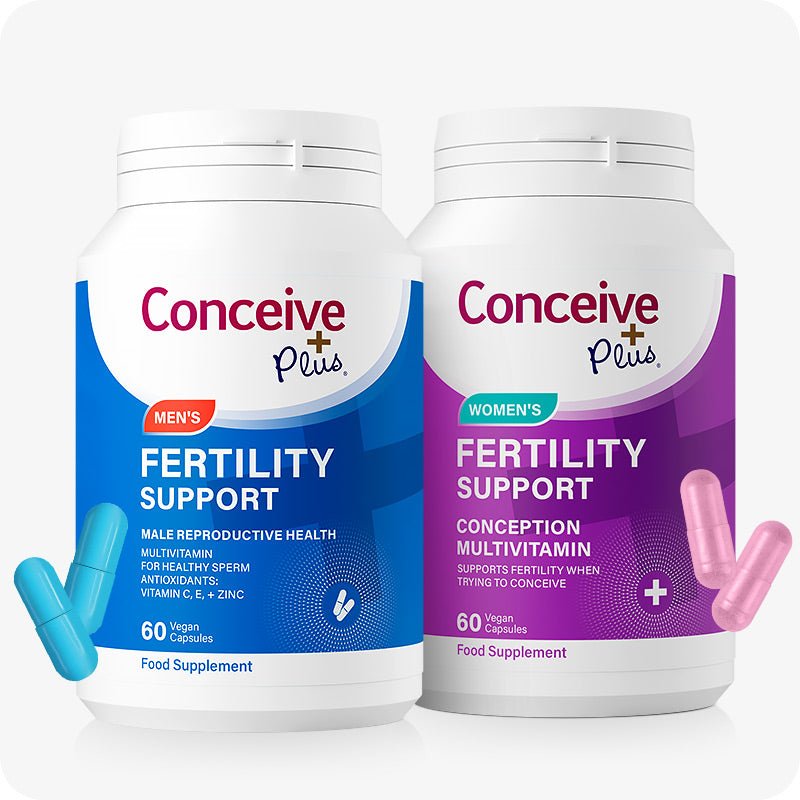
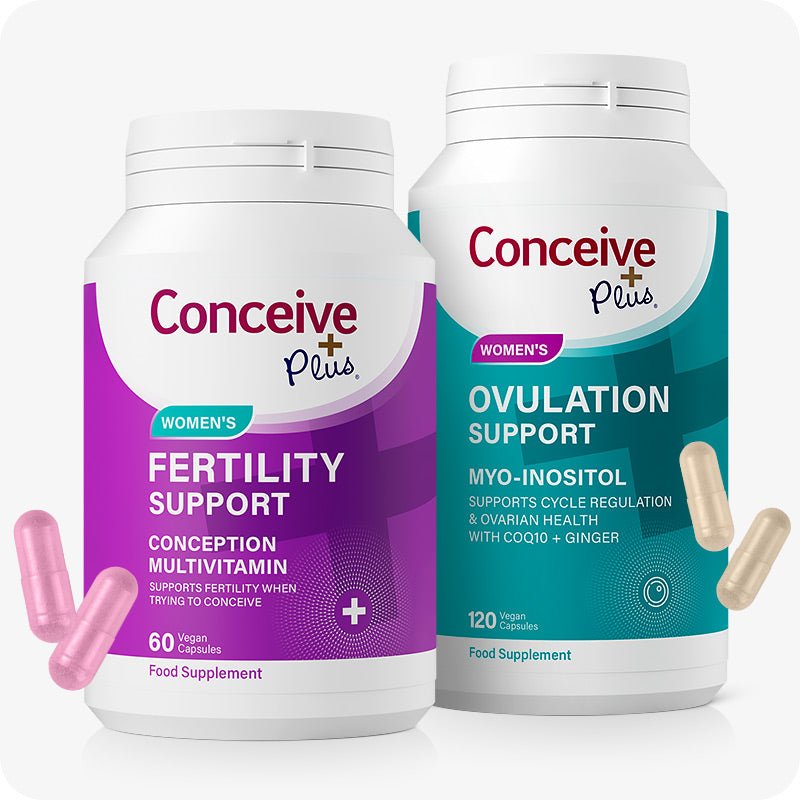
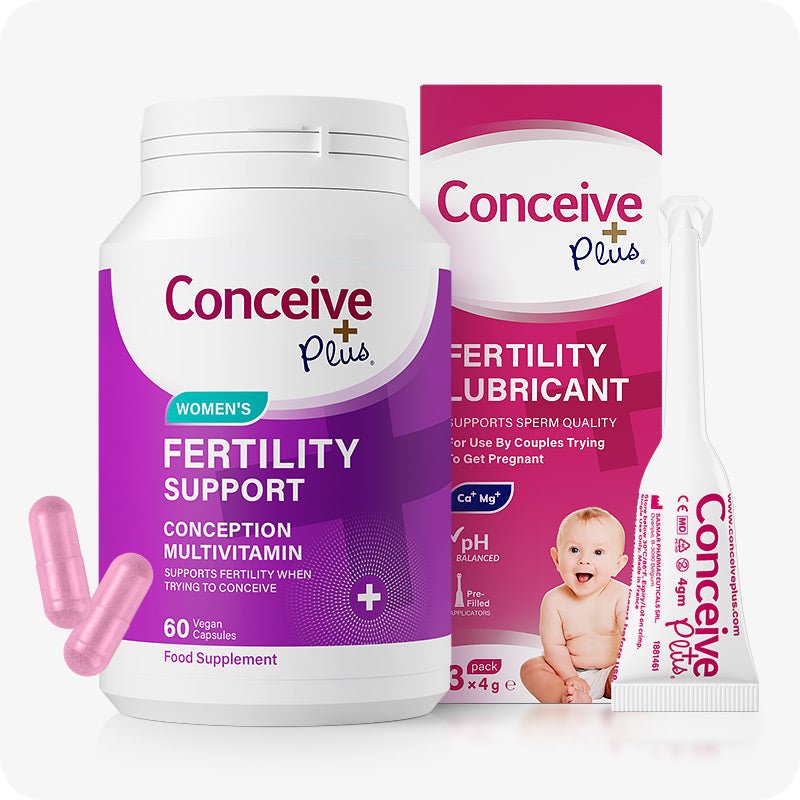
Conceive Plus Women's Fertility Support provides comprehensive pre-conception nutrition — folate, CoQ10, vitamin D, and more — to help optimise egg quality and hormonal health ahead of fertility treatment.
Body Weight and IVF Success
Body weight is one of the most significant modifiable factors in IVF outcomes. Both underweight and overweight status are associated with poorer outcomes, including reduced ovarian response, lower fertilisation rates, and reduced implantation and live birth rates.
A comprehensive meta-analysis published in Human Reproduction Update found that obese women (BMI > 30) had significantly lower clinical pregnancy rates and live birth rates per IVF cycle compared to women of normal weight, and required higher doses of gonadotropins during stimulation. Being underweight (BMI < 18.5) is similarly associated with poor ovarian response and hormonal dysregulation.
The goal is not dramatic weight loss, but achieving a healthy BMI range (18.5–24.9) before beginning treatment where possible. Even modest weight loss — 5–10% of body weight in overweight individuals — has been associated with meaningful improvements in reproductive outcomes. Working with a dietitian who specialises in fertility nutrition can provide personalised guidance.
Supplements for Male Partners in IVF Preparation
When IVF or ICSI is being undertaken, sperm quality directly affects fertilisation rates, embryo quality, and the chance of a successful outcome. Male partners should be equally invested in preparation.
A 90-day preparation period with targeted supplementation — including zinc, selenium, CoQ10, folate, vitamin C, and omega-3 fatty acids — has been shown to improve sperm count, motility, morphology, and DNA fragmentation. These improvements translate to better fertilisation rates and higher-quality embryos in IVF cycles.
A 2019 systematic review in Andrology found that antioxidant supplementation in male partners significantly improved clinical pregnancy rates per IVF/ICSI cycle. DNA fragmentation testing is increasingly recommended before ICSI, as high fragmentation is associated with poorer embryo development and increased miscarriage risk.
Lifestyle Factors That Influence IVF Outcomes
Smoking and Alcohol
Smoking is one of the most detrimental lifestyle factors for IVF outcomes. Multiple studies have shown that women who smoke require significantly higher doses of gonadotropins, produce fewer eggs, and have lower pregnancy rates per cycle compared to non-smokers. A meta-analysis found that smoking reduces IVF success rates by approximately 40%. The impact applies to both active smoking and passive smoke exposure. Ideally, both partners should stop smoking at least three months before beginning treatment — and permanently.
Alcohol consumption before and during IVF is also associated with reduced success. A 2016 study in BMJ Open found that higher alcohol intake in both partners was associated with significantly lower live birth rates per IVF cycle. Complete abstinence during the stimulation and transfer cycle is strongly recommended.
Sleep Quality
Sleep is often overlooked in IVF preparation but has emerged as an important variable. Melatonin — produced during sleep — acts as a powerful antioxidant in follicular fluid and has been linked to improved egg quality. Disrupted sleep is associated with hormonal dysregulation, including elevated cortisol and reduced leptin, both of which can impair ovarian function.
Aim for 7–9 hours of quality sleep per night. Establish consistent sleep and wake times, reduce evening screen exposure, and create a cool, dark sleep environment. If sleep is significantly disrupted by anxiety or stress related to IVF, this is worth addressing with a healthcare provider.
Exercise During IVF Preparation
Moderate exercise — including walking, swimming, yoga, and light strength training — is generally beneficial in the IVF preparation period and supports weight management, stress reduction, and insulin sensitivity. However, very vigorous exercise (particularly high-intensity interval training or marathon running) may impair ovarian response during stimulation by increasing oxidative stress and cortisol. Many fertility clinics recommend reducing exercise intensity once stimulation begins.
Psychological Preparation for IVF
The emotional dimension of IVF is as important as the physical. Research consistently shows that high levels of anxiety and depression before IVF are associated with poorer outcomes — not because stress directly causes IVF to fail, but because stress is associated with hormonal disruption, reduced treatment adherence, and behaviours (poor sleep, alcohol use) that independently impair outcomes.
A 2011 systematic review published in BMJ Open found that psychological interventions — including cognitive behavioural therapy (CBT), mindfulness-based stress reduction (MBSR), and support groups — significantly reduced anxiety and depression in women undergoing IVF, with some studies also showing improved pregnancy rates.
Practical strategies for psychological preparation include:
- Education: Understanding each stage of the IVF process reduces uncertainty-related anxiety. Ask your clinic for detailed information and do not hesitate to ask questions.
- Therapy: A fertility-specialist counsellor or therapist can help process fears, manage expectations, and develop coping strategies for all potential outcomes.
- Mindfulness and meditation: Regular mindfulness practice has been shown to reduce cortisol levels and improve psychological resilience.
- Support networks: Connecting with others who have experienced IVF — through support groups or online communities — reduces isolation and provides practical insight.
- Open communication with your partner: IVF can be intensely stressful for relationships. Regular, honest conversation about fears, expectations, and boundaries around treatment decisions is essential.
What to Discuss With Your Fertility Clinic Before Beginning
Before your first stimulation cycle, ensure you have discussed the following with your reproductive endocrinologist:
- Your baseline hormonal profile (AMH, FSH, LH, estradiol, thyroid function)
- Antral follicle count and ovarian reserve assessment
- The specific stimulation protocol planned and the rationale for it
- The role of ICSI versus conventional insemination for your case
- Whether preimplantation genetic testing (PGT) is recommended for your situation
- The clinic's policy on elective freeze-all versus fresh transfer cycles
- Supplements currently being taken (including any interactions or contraindications)
- Psychological support services available through the clinic
Frequently Asked Questions About IVF Preparation
1. How far in advance should I start preparing for IVF?
Ideally, three to six months before your planned start date. This allows time for nutritional status to improve, for lifestyle changes to take effect across a full spermatogenesis cycle (90 days), for appropriate weight changes, and for psychological preparation. Many clinics schedule a planning consultation 3–6 months in advance, which aligns well with this preparation timeline.
2. Does CoQ10 really improve egg quality for IVF?
The evidence is promising, particularly for women with diminished ovarian reserve. Multiple clinical trials and a 2018 RCT specifically in poor-responder IVF patients found meaningful improvements in ovarian response and oocyte quality with CoQ10 supplementation (400–600mg daily). Your doctor may discuss the evidence with you in the context of your specific diagnosis.
3. Should I stop all exercise before IVF?
Not necessarily. Moderate exercise is generally safe and beneficial during the preparation phase. Once ovarian stimulation begins, most clinics recommend reducing to gentle movement only — walking, stretching, and yoga — as the enlarged ovaries during stimulation carry a small risk of ovarian torsion with vigorous activity.
4. Is acupuncture beneficial for IVF?
Acupuncture is commonly used alongside IVF, and while early studies suggested benefit, larger randomised controlled trials have produced mixed results. Some evidence supports acupuncture for stress reduction and improved endometrial blood flow. It is generally considered safe and may provide meaningful benefit for some individuals, particularly in the context of stress management.
5. What impact does thyroid function have on IVF?
Thyroid function is critically important for IVF outcomes. Both hypothyroidism and elevated TSH (even within the "normal" reference range) are associated with reduced implantation rates and increased miscarriage risk. Most fertility clinics aim for a TSH below 2.5 mIU/L before beginning an IVF cycle. Ensure your thyroid function has been tested and optimised if needed.
6. Can vitamin D supplementation improve my IVF success rate?
Vitamin D deficiency is highly prevalent, particularly in northern European countries, and is associated with poorer IVF outcomes. A meta-analysis found that women with adequate vitamin D levels had significantly higher clinical pregnancy rates per IVF cycle. Supplementation to achieve optimal serum levels (75–100 nmol/L) is recommended as part of IVF preparation.
7. How much alcohol is safe during IVF preparation?
The safest approach is complete abstinence, particularly during the stimulation and transfer cycle. Evidence suggests that even moderate alcohol consumption reduces IVF success rates in both partners. In the preparation phase, limiting alcohol to no more than one to two units per week is a conservative harm-reduction approach, with complete abstinence recommended from the start of stimulation.
8. Should my partner also take supplements?
Yes, particularly if ICSI is planned. Male partner supplementation with antioxidants, zinc, selenium, CoQ10, and omega-3 fatty acids for 90 days before IVF/ICSI has been associated with improved sperm quality and higher clinical pregnancy rates per cycle. DNA fragmentation testing before ICSI is also increasingly recommended.
9. Will IVF be covered by public health insurance in Europe?
Coverage varies significantly by country across the EU. France provides up to four funded IVF cycles for eligible patients under the age of 43. Germany, Belgium, and the Netherlands provide partial or full coverage for certain cycles. Other countries provide limited or no public funding. Check with your national health system or fertility clinic for country-specific guidance.
10. What if my first IVF cycle is unsuccessful?
Unsuccessful IVF cycles are common — particularly in the first attempt. The cumulative success rate after multiple cycles is significantly higher than after a single cycle. Use the period between cycles as another opportunity to optimise — reviewing what occurred (how many eggs, fertilisation rate, embryo quality), addressing any modifiable factors, and considering whether further investigation (such as an endometrial receptivity assessment or immunological testing) is warranted.
Your IVF Journey, Nutritionally Supported
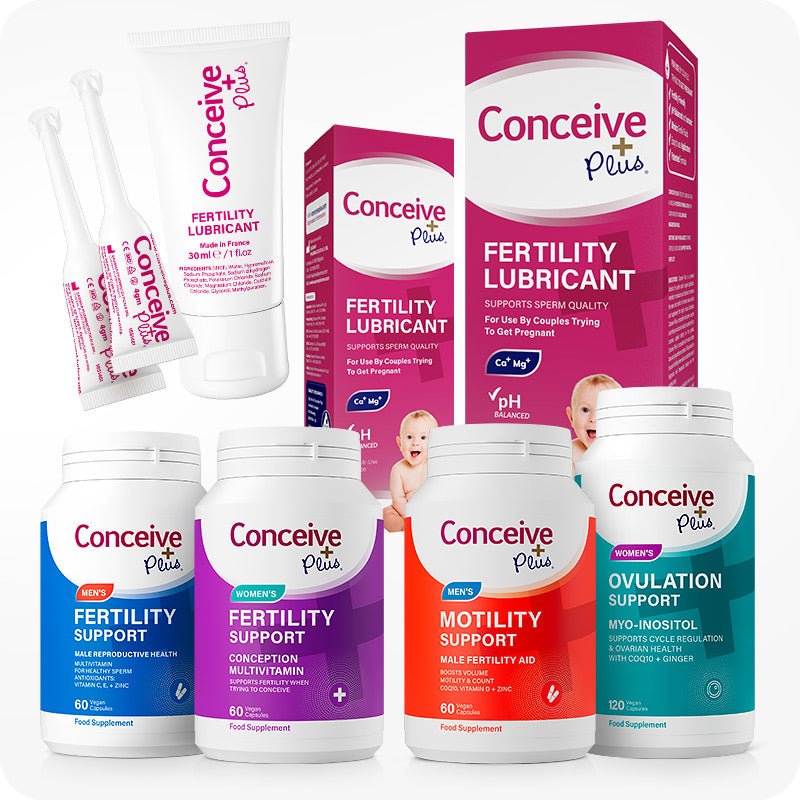
Discover the Conceive Plus range of pre-conception and fertility supplements — formulated to support both partners through every stage of assisted reproduction.