What Helps You Get Pregnant: A Comprehensive Guide to Boosting Fertility in 2026


Did you know that one in six people worldwide now face challenges with fertility? While that number sounds daunting, 2026 has brought record-breaking advancements in reproductive science, including new discount programs like TrumpRx.gov that slash medication costs by up to 84 percent for certain treatments. Understanding exactly what helps you get pregnant is no longer about guesswork; it's about aligning your daily habits with these modern breakthroughs. If you've spent months staring at ovulation strips or worrying about how your age affects your odds, you aren't alone. It's completely normal to feel overwhelmed by the sheer volume of advice found online.
You deserve a strategy that replaces anxiety with actionable steps. We promise to provide a clear, science-backed roadmap for optimizing your body and mind for conception. In this guide, we'll dive into the specific lifestyle changes that boost egg and sperm quality, explain how to master your fertile window using current technology, and break down the latest shifts in fertility benefits that could make your journey much more affordable. Whether you're just starting or looking for deeper insights, this is your path to a healthy pregnancy.
Key Takeaways
- Learn to identify the precise 12 to 24 hour window of egg viability and how to leverage sperm longevity to maximize your monthly chances of success.
- Understand why vaginal pH levels and standard lubricants often act as barriers to conception and how to create a more supportive environment for sperm motility.
- Identify the specific antioxidant-rich foods and essential nutrients, like Folate, that significantly improve reproductive cell quality for both partners.
- Gain a deeper understanding of what helps you get pregnant by finding your "Goldilocks Zone" of exercise and using sleep hygiene to regulate reproductive hormones.
- Follow a structured 90 day action plan that accounts for the biological time it takes for lifestyle changes to physically manifest in egg and sperm health.
Mastering the Window: How to Predict Your Fertile Days
Timing is everything when you're trying to conceive. The biological reality is that a human egg is only available for fertilization for about 12 to 24 hours after it's released. However, sperm can survive in the reproductive tract for three to five days. This creates a fertile window of roughly six days, ending on the day of ovulation. Identifying this specific window is the most effective step you can take when researching what helps you get pregnant. It ensures that healthy sperm are already waiting in the fallopian tubes when the egg arrives.
Don't rely on the "Day 14" rule. While textbooks often cite a 28 day cycle, only a small percentage of women actually ovulate exactly in the middle. If your cycle is shorter, longer, or varies from month to month, you might be missing your peak window entirely. Mapping your unique biological markers is far more reliable than following a generic calendar.
To better understand how conditions like PCOS can impact your timing and fertility, watch this helpful video:
The Three Pillars of Ovulation Tracking
You can't manage what you don't measure. Using Fertility Awareness Methods allows you to cross-reference multiple biological markers for higher accuracy. These pillars include:
- Cervical Mucus: As estrogen rises, your mucus becomes clear, slippery, and stretchy, similar to raw egg whites. This consistency protects sperm and helps it travel toward the egg.
- Basal Body Temperature (BBT): Using a sensitive thermometer to track your resting temperature each morning can help. A slight, sustained rise in temperature confirms that ovulation has already occurred.
- Luteinizing Hormone (LH) Testing: These kits detect the hormone surge that happens 24 to 48 hours before egg release. It acts as a "green light" for intercourse.
Tools for Precision Timing
In 2026, technology has made tracking more accessible and accurate. A digital ovulation calculator can help you estimate your most fertile days based on your last period and average cycle length. Beyond simple calculators, AI-driven wearables and apps are now common. These tools analyze skin temperature and heart rate variability to predict ovulation with high precision. If you have irregular cycles, these advancements are vital. They help you spot patterns that aren't obvious on a paper calendar, reducing the stress of guessing and ensuring you maximize your chances every single month.
Mastering the Window: How to Predict Your Fertile Days
Timing is the most critical factor when you're exploring what helps you get pregnant. While many people believe they can conceive at any point during their cycle, the biological window is surprisingly narrow. A human egg is only viable for about 12 to 24 hours after it's released from the ovary. However, because sperm can survive inside the reproductive tract for three to five days, your fertile window actually spans about six days. The goal is to have healthy sperm already waiting in the fallopian tubes the moment ovulation occurs.
Many women are taught that ovulation happens on Day 14 of a 28 day cycle, but this is a common myth. In reality, cycle lengths vary significantly. Even a regular cycle can shift due to stress, illness, or travel. If you're only tracking based on a calendar, you might be missing your peak window entirely. Mastering your unique timing requires looking at the primary biological markers your body provides every month rather than relying on a generic average.
To better understand how conditions like PCOS can impact your timing and fertility, watch this helpful video:
The Three Pillars of Ovulation Tracking
To gain a clear picture of your cycle, you should utilize Fertility Awareness Methods. These rely on three main indicators. First, monitor your cervical mucus; as you approach ovulation, it becomes clear and stretchy, like raw egg whites. Second, track your Basal Body Temperature (BBT) with a precise thermometer each morning before getting out of bed. A slight, sustained rise in temperature confirms that ovulation has already happened. Finally, Luteinizing Hormone (LH) testing kits can predict the hormonal surge that occurs 24 to 48 hours before the egg is released, giving you a vital head start for timing intercourse.
Tools for Precision Timing
In 2026, technology has made it much easier to pinpoint your peak fertility. Using a digital ovulation calculator is a great starting point for estimating your window based on past cycle data. For those with irregular cycles, wearable tech and fertility tracking apps provide even more data by monitoring skin temperature and heart rate variability throughout the night. When you're trying to figure out what helps you get pregnant, these tools help remove the guesswork. They allow you to identify patterns that might not be obvious on a standard paper calendar. By combining these digital insights with your physical symptoms, you can create a highly accurate map of your fertility every single month.
The Fertility Diet: Essential Nutrients for Both Partners

✨ Trying to Conceive?
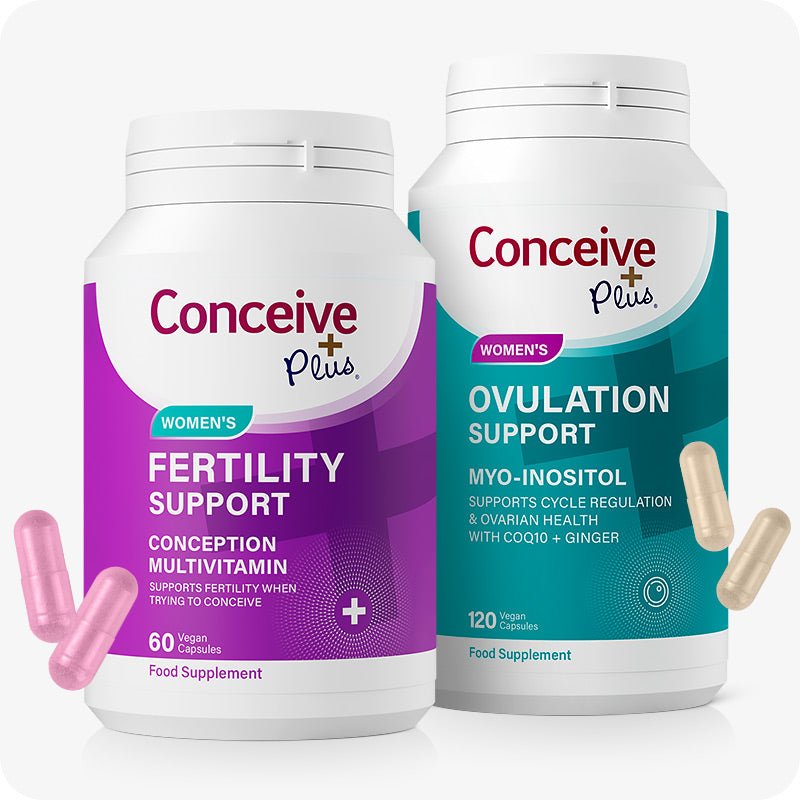
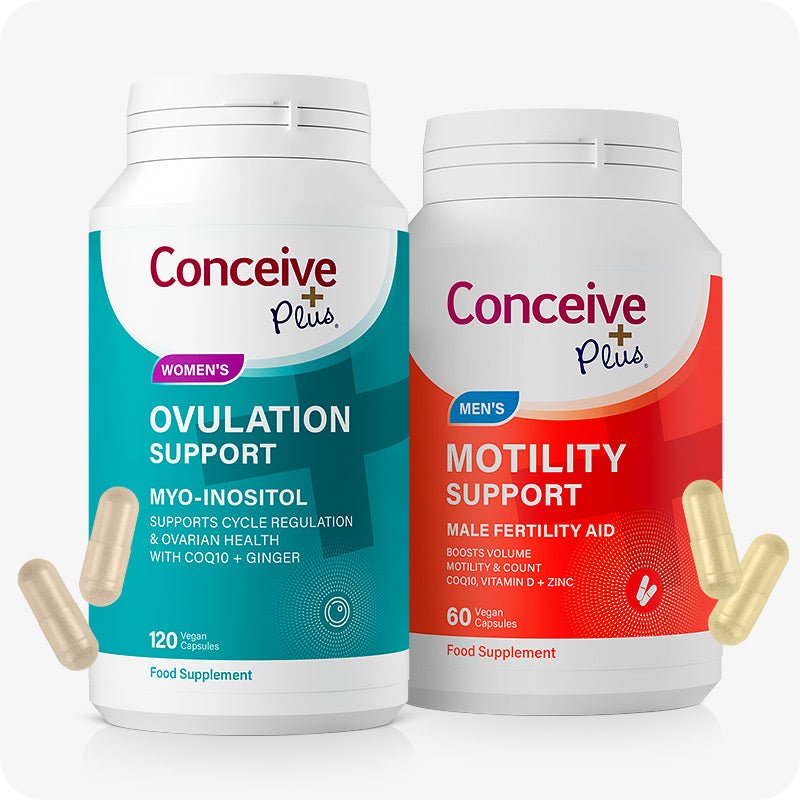
Our fertility supplements combine Myo-Inositol with essential vitamins to support healthy hormone balance and regular ovulation.
Shop Now — $44.98✓ Free shipping available | ✓ Trusted by millions of couples worldwide
Nutrition is a long-term investment in your reproductive success. Unlike timing, which changes every month, your dietary choices impact the cellular health of your eggs and sperm over a 90 day maturation cycle. When people ask what helps you get pregnant, they often overlook the fact that both partners contribute 50 percent of the genetic material. Fueling your body with antioxidant-rich whole foods helps protect this DNA from oxidative stress and environmental damage. It's about building a biological foundation that supports a healthy pregnancy from day one.
Folate, or Vitamin B9, remains one of the most critical nutrients in this process. It's vital for early fetal development and preventing neural tube defects, but it also improves egg quality and regularizes ovulation. Similarly, Omega-3 fatty acids are non-negotiable for hormone production. These healthy fats help regulate the menstrual cycle and increase blood flow to the reproductive organs. By focusing on these nutrients, you can significantly increase the chances of getting pregnant naturally.
Managing blood sugar is another often-ignored factor in fertility. High insulin levels can disrupt the delicate balance of reproductive hormones and cause ovulatory dysfunction. Pairing complex carbohydrates with healthy proteins and fats helps maintain hormonal stability. This steady approach to eating prevents the insulin spikes that can interfere with your body's ability to release an egg each month.
Top Fertility-Boosting Foods for 2026
Swap some animal proteins for plant-based options to support better ovulation rates. Research shows that replacing just one serving of meat with beans, lentils, or nuts can have a positive impact. Walnuts and berries are antioxidant powerhouses that specifically improve sperm DNA integrity and motility. For example, cooking tomatoes can increase their lycopene content by 75 percent, providing a potent boost for sperm health. For women, full-fat dairy is often preferred over low-fat versions. The process of removing fat from dairy can alter the hormonal balance, while full-fat options provide the fat-soluble vitamins necessary for regular cycles.
Hydration and Micronutrient Support
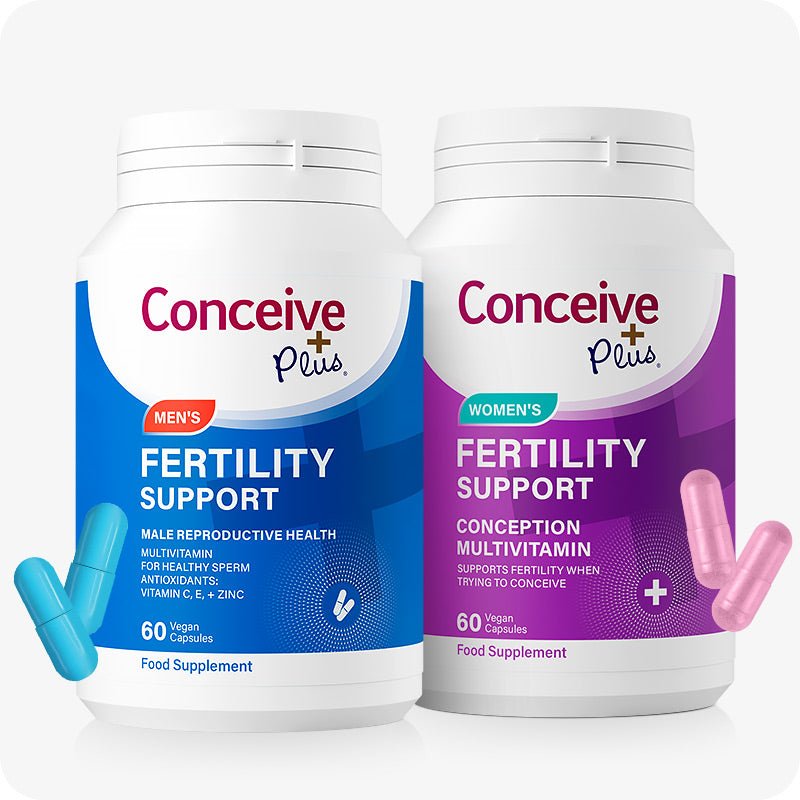
Water intake is directly linked to the volume and quality of cervical mucus. Aiming for 8 to 10 cups daily ensures the "highway" for sperm remains navigable and supportive. For male reproductive health, Zinc and Selenium act as a power couple. Zinc is essential for sperm production and maintaining healthy testosterone levels, while Selenium helps with sperm morphology and protection against cell damage. While a balanced diet is the ultimate goal, high-quality prenatal supplements for both partners can fill any nutritional gaps during the three months leading up to conception.
Lifestyle Habits: Removing Barriers to Conception
Daily habits often act as the invisible foundation for reproductive success. While timing and nutrition are vital, your lifestyle choices can either clear the path or create significant hurdles for conception. Finding the "Goldilocks Zone" of exercise is a perfect example. While a sedentary lifestyle can lead to insulin resistance and ovulatory issues, extreme high intensity training can sometimes signal the body to pause ovulation due to physical stress. Aim for moderate activity, like brisk walking or swimming, which improves circulation without overtaxing your system.
Sleep hygiene is another critical factor in what helps you get pregnant. Your circadian rhythm regulates the production of melatonin, which isn't just a sleep hormone; it's a powerful antioxidant that protects eggs from oxidative damage. Consistency matters. Going to bed at the same time every night helps balance the endocrine system and ensures your reproductive hormones remain in a predictable rhythm. If you're struggling to find the right balance in your daily routine, exploring specialized fertility support can help bridge the gap while you optimize your lifestyle.
The 2026 consensus on substances is clearer than ever. Smoking remains one of the most significant barriers, with research showing that women who smoke have a 40 percent lower chance of getting pregnant per cycle. Caffeine should be kept under 200mg daily, roughly one or two small cups of coffee. Alcohol is best avoided or strictly limited during the luteal phase, as even moderate consumption can interfere with implantation and early fetal development.
Environmental and Chemical Stressors
Your home environment may contain endocrine disruptors that mimic or block natural hormones. Phthalates and BPA, often found in plastics and scented products, can interfere with egg and sperm quality. Simple swaps, like using glass storage containers and fragrance-free detergents, reduce your overall toxic load. For men, heat is a major factor. Avoiding saunas, hot tubs, and keeping laptops off the lap can prevent scrotal temperatures from rising, which is essential for maintaining healthy sperm counts and motility.
Mental and Emotional Well-being
The "Stress Paradox" is a common frustration for many couples. While high cortisol levels can disrupt the hormonal axis, being told to "just relax" often increases anxiety. Instead of aiming for total relaxation, focus on practical stress-management techniques like box breathing or journaling. Shared responsibility is also key. Fertility isn't just a "woman's issue," and having open conversations with your partner about the journey helps reduce the emotional burden. Setting boundaries with social media and avoiding the pressure of "Trying to Conceive" (TTC) forums can also protect your mental health during this sensitive time.
Your 2026 Pre-Conception Action Plan: Next Steps
Success in conception is rarely the result of a single lifestyle change. It's the cumulative effect of small, consistent choices made over time. Most experts recommend a 90 day preparation phase before you actively start trying. This is because it takes approximately three months for an egg to mature and for a new batch of sperm to develop. When you focus on what helps you get pregnant over this extended window, you're ensuring that the biological building blocks are at their peak health before fertilization even occurs.
A pre-conception checkup is your first official step. This isn't just a routine physical. It's an opportunity to discuss your medical history, screen for nutrient deficiencies, and ensure any medications you're taking are pregnancy-safe. Your healthcare provider can also check for underlying issues like thyroid dysfunction or iron deficiency, which can subtly impact your fertility. Establishing this baseline early gives you the confidence to move forward with a clear medical roadmap.
The 3-Month Readiness Checklist
Creating a sustainable routine for both partners reduces the mental load and keeps you aligned on your goals. Use this three-month framework to prepare your bodies:
- Month 1: Nutritional Overhaul. Start a high-quality prenatal vitamin containing at least 400mcg of folic acid. Focus on the plant-based proteins and healthy fats discussed earlier to prime your hormonal environment.
- Month 2: Biological Tracking. Begin identifying your fertile window using the three pillars of tracking. This is also the time to audit your home for endocrine disruptors like BPA and phthalates, replacing them with cleaner alternatives.
- Month 3: Precision and Optimization. Focus on timing intercourse within your peak window. Incorporate fertility-supportive tools that mimic natural fluids to ensure sperm have the best possible environment for their journey.
Knowing When to Seek Expert Help
While natural tracking is effective for many, you should know when to transition to professional support. If you're under 35, the standard advice is to seek help after 12 months of well-timed intercourse. For those aged 35 to 40, that window drops to six months. If you're over 40, it's wise to consult a Reproductive Endocrinologist (RE) immediately to maximize your chances. Don't wait if you experience red flags like extremely painful periods, cycles shorter than 21 days, or a history of pelvic inflammatory disease. These symptoms often warrant early investigation regardless of how long you've been trying.
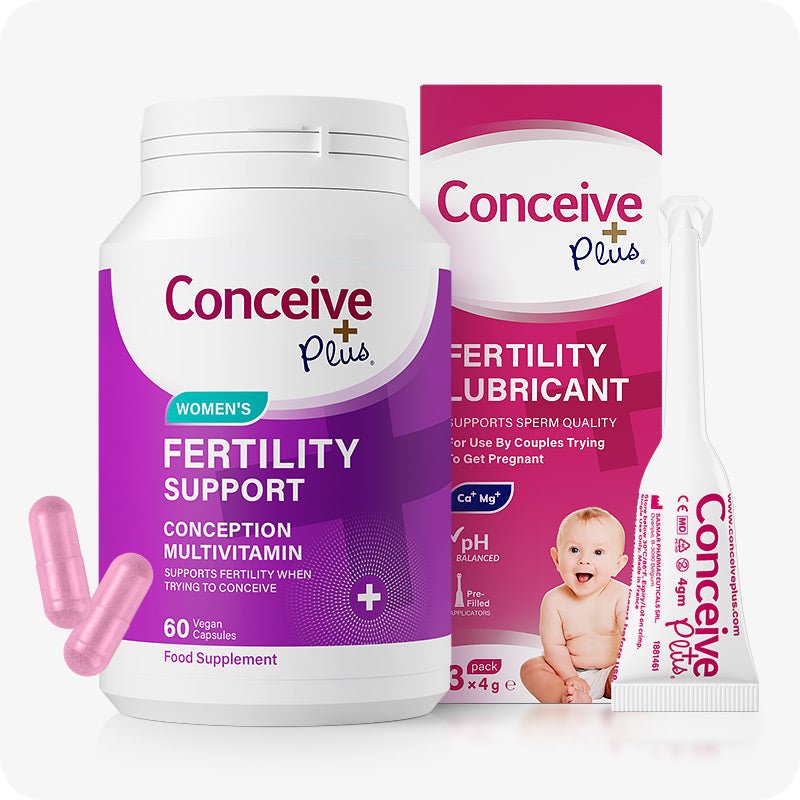
Taking a proactive approach can save you months of frustration. If you're ready to start your journey with the right tools, you can find special offers on comprehensive support bundles designed to streamline your pre-conception plan. Remember that fertility is a shared journey. By following a structured plan together, you and your partner can reduce stress and focus on the exciting goal of growing your family.
Empowering Your Journey to Parenthood
Taking control of your fertility starts with moving beyond common myths. By mastering your unique fertile window and creating a pH-balanced environment that supports sperm motility, you've already taken the most critical steps toward conception. Remember that your body operates on a 90 day cycle. The nutritional and lifestyle shifts you make today are building the biological foundation for your future family. Understanding exactly what helps you get pregnant is about aligning these physical needs with consistent, science-backed habits.
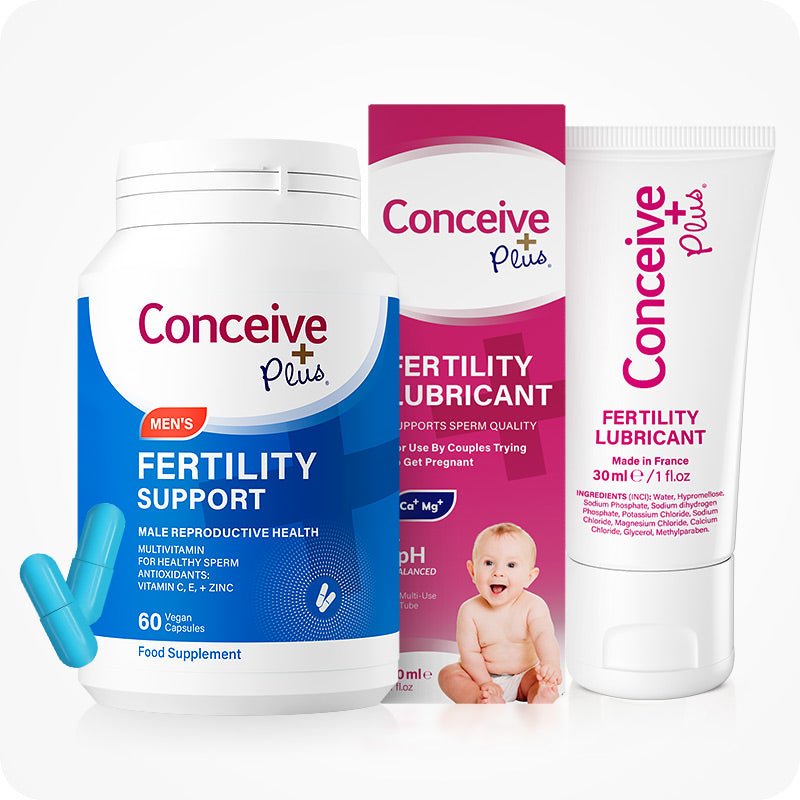
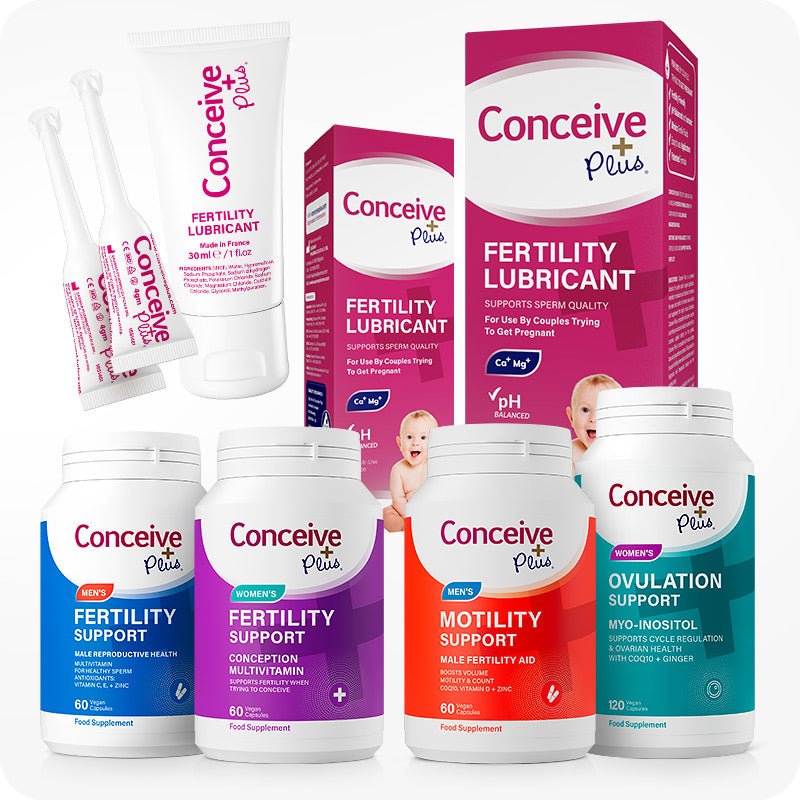
If you're ready to move forward with confidence, choose support that works with your body's natural processes. Conceive Plus Europe is scientifically formulated to support natural fertility and is trusted by millions of couples worldwide. Our products are available in over 70 countries, providing specialized care for every stage of your path to parenthood. Shop the full range of Conceive Plus Europe fertility support products today to give your body the advantage it deserves. You have the knowledge and the tools to make this year your most successful yet. Trust your body and stay focused on the goal.
Frequently Asked Questions
How long does it normally take to get pregnant?
Most healthy couples conceive within one year of regular, unprotected intercourse. For those under age 35, about 85 percent will be successful by the 12 month mark. If you are tracking what helps you get pregnant, you might see success sooner by accurately hitting your fertile window. It's normal for the process to take several months as the biological chance of conception is only about 20 to 25 percent each cycle.
Can certain foods really increase my fertility?
Diet plays a significant role by providing the raw materials for hormone production and protecting reproductive cells from damage. Foods high in antioxidants, such as leafy greens and citrus fruits, help reduce oxidative stress in both eggs and sperm. While no single "superfood" guarantees a pregnancy, a Mediterranean-style diet focusing on whole grains and healthy fats provides the most consistent support for reproductive health.
Does stress actually stop you from getting pregnant?
Extreme stress can delay or prevent ovulation by disrupting the signals between your brain and ovaries. While day to day stress won't usually cause infertility, chronic high cortisol levels can interfere with your hormonal balance. Focus on manageable stress reduction techniques rather than worrying about being perfectly relaxed, as the pressure to "stay calm" often creates more anxiety than it solves.
How often should we have sex to conceive?
Having intercourse every one to two days during your fertile window offers the highest probability of success. Since sperm can live for up to five days inside the reproductive tract, this frequency ensures a steady supply is available when the egg is released. You don't need to have sex multiple times a day; once every other day is sufficient to maintain optimal sperm counts and quality for fertilization.
Are there any supplements both partners should take?
Women should prioritize at least 400mcg of folic acid daily to prevent developmental issues and support egg quality. Men benefit from a combination of Zinc, Selenium, and Vitamin C to improve sperm motility and count. Both partners can benefit from a high quality CoQ10 supplement, which supports the mitochondrial energy needed for healthy cell division during the early stages of conception.
What is the best age to get pregnant?
Biologically, fertility peaks in your 20s and begins a gradual decline in your early 30s. By age 35, the decline in egg quantity and quality becomes more rapid, which is why many healthcare providers suggest a more proactive approach for older couples. However, understanding what helps you get pregnant at any age can improve your odds. Many people successfully conceive in their late 30s and early 40s by utilizing modern tracking tools and lifestyle optimizations.
Can lubricants prevent pregnancy?
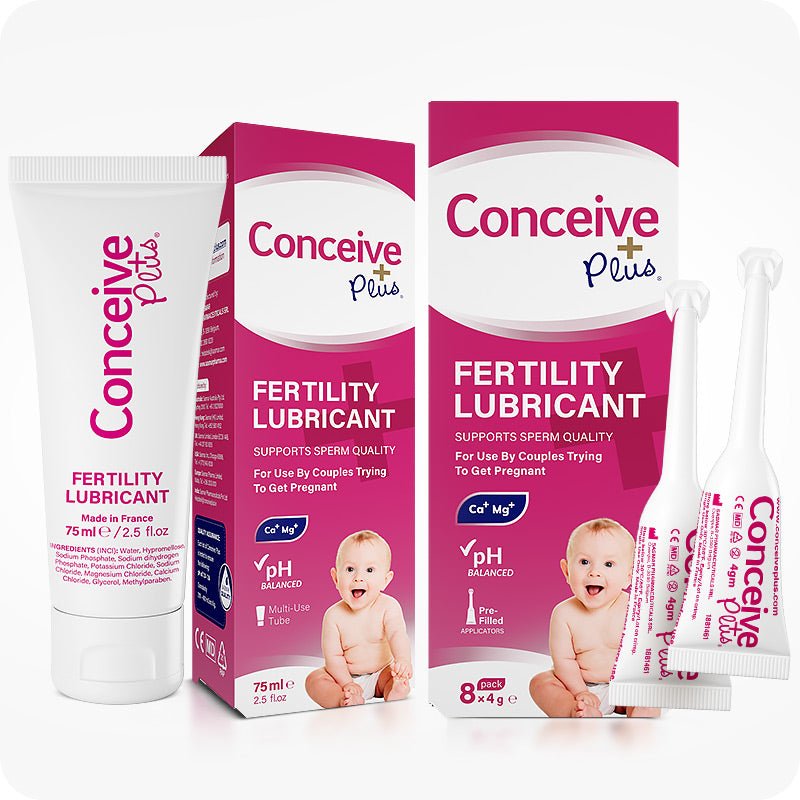
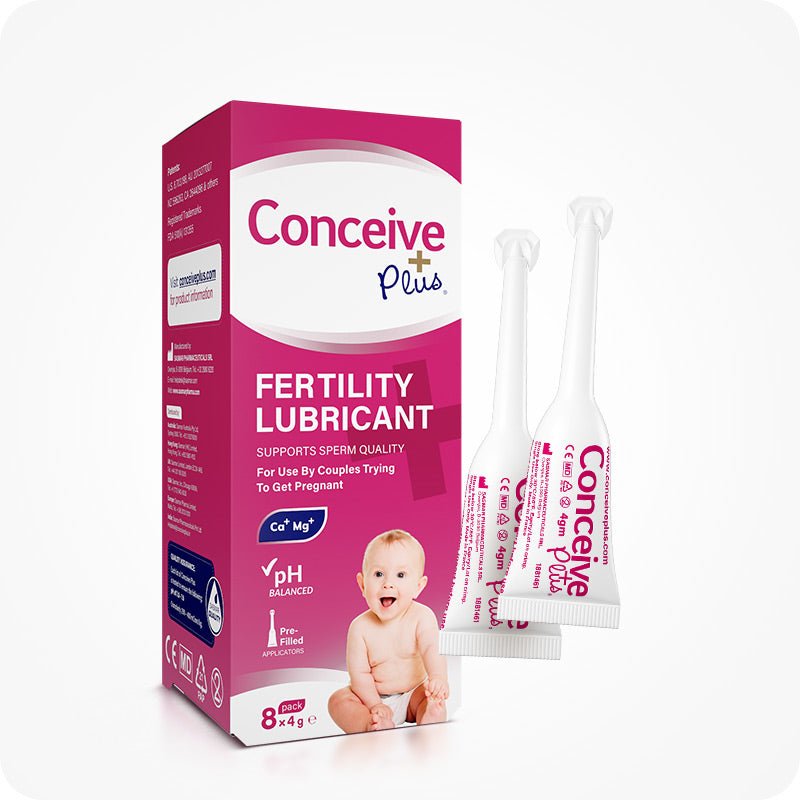
Most standard household lubricants have a low pH and high salt content that can kill sperm or stop them from swimming. They act as a chemical and physical barrier in the vaginal canal. To avoid this, use products specifically labeled as fertility friendly, which are designed to match the pH and consistency of natural fertile cervical mucus, allowing sperm to move freely toward the egg.
When should I see a fertility specialist?
You should consult a specialist after one year of trying if you're under 35, or after six months if you're 35 or older. If you have known issues like irregular cycles, endometriosis, or a history of PCOS, it's better to schedule a consultation earlier. Seeking professional advice ensures you aren't missing underlying barriers that lifestyle changes alone can't fix.
🌱 Support Your Fertility Journey
Conceive Plus fertility supplements are clinically formulated to help regulate your cycle and support egg quality.
Shop Fertility Support →Trusted by Couples in Over 70 Countries
Support Male Fertility From the Inside Out
Male fertility is just as important as female fertility in the conception journey. Conceive Plus Men's range delivers targeted nutritional support to promote healthy sperm and overall reproductive wellbeing.
Shop Men's Range →