Ovulation Tracking and Your Fertile Window: A Complete Guide to Timing Intercourse for Conception


Understanding Ovulation: The Key to Your Fertile Window
Ovulation is the single most important event in the menstrual cycle when it comes to conception. It is the process by which a mature egg is released from the ovary, swept into the fallopian tube, and made available for fertilisation. Understanding when ovulation occurs — and timing intercourse accordingly — is the foundation of natural fertility awareness.
The fertile window is defined as the six-day period ending on the day of ovulation. Sperm can survive in the female reproductive tract for up to five days under optimal conditions, while the egg remains viable for only 12–24 hours after release. This means that intercourse in the days leading up to ovulation offers the best chance of conception, rather than waiting until the day of ovulation itself.
For women with regular 28-day cycles, ovulation typically occurs around day 14. However, cycle length varies considerably among women, and even women with regular cycles can ovulate earlier or later than expected. Relying solely on calendar calculations leads to mistimed intercourse for many couples.
At Conceive Plus, we believe that accurate ovulation tracking empowers couples to make the most of every cycle. By identifying your unique fertile window, you transform the process from guesswork into science.
Ovulation Predictor Kits: The Gold Standard for Home Tracking
💙 Support Your Fertility Journey
Give your body the nutritional support it needs. Explore Conceive Plus Ovulation Predictor Kits →
Ovulation predictor kits (OPKs) are widely considered the most accurate method for predicting ovulation at home. These tests detect the surge in luteinising hormone (LH) that occurs 24–36 hours before ovulation, giving couples a reliable heads-up that their fertile window is approaching.
OPKs work much like pregnancy tests — you urinate on a test stick or dip a test strip into a urine sample. When the LH level reaches a threshold (typically 25–40 mIU/mL), the test indicates a positive result, confirming that ovulation is imminent. This is the optimal time to have intercourse.
Digital OPKs offer several advantages over traditional line-based tests:
- Clear digital results eliminate interpretation errors
- Some models track multiple cycles for pattern recognition
- Advanced models also measure oestrogen to provide more fertile days of advance notice
For women with irregular cycles or PCOS, tracking can be more challenging because LH levels may be chronically elevated or fluctuate unpredictably. In these cases, using OPKs in combination with other tracking methods is recommended.
Conceive Plus offers a range of ovulation predictor kits designed for accuracy and ease of use. When used correctly, OPKs detect the LH surge in over 99% of cycles, providing the confidence you need to time intercourse perfectly.
Basal Body Temperature Charting: Confirming Ovulation After It Happens
Basal body temperature (BBT) charting is a time-tested method for tracking ovulation. It involves taking your temperature immediately upon waking — before any activity, food, or drink — and recording it on a chart or in an app.
Before ovulation, BBT typically ranges between 36.1–36.4°C (97–97.5°F). After ovulation, progesterone production causes a sustained temperature rise of 0.2–0.5°C (0.4–1.0°F), which persists until your next period. The shift from the lower to higher temperature range confirms that ovulation has occurred.
The key limitation of BBT charting is that it is retrospective — it tells you that ovulation has already happened, not that it is about to happen. This makes it most useful when combined with a predictive method such as OPKs. Together, OPKs tell you when to have intercourse, and BBT confirms that ovulation actually occurred.
Modern wearable sensors (such as TempDrop, Oura Ring, or Apple Watch) have made BBT tracking significantly easier by automatically recording temperature during sleep, eliminating the need for manual morning measurements. These devices often integrate with fertility apps to provide comprehensive cycle insights.
For accurate BBT tracking:
- Take temperature at the same time each morning
- Ensure at least 3–4 hours of uninterrupted sleep beforehand
- Avoid alcohol, which can artificially raise temperature
- Use a dedicated basal thermometer or wearable device
- Record for at least 2–3 months to identify patterns
Cervical Mucus: Your Body's Natural Fertility Signal
Cervical mucus is one of the most informative and underutilised fertility signs. Throughout the menstrual cycle, changes in oestrogen levels cause cervical mucus to change in quantity, consistency, and appearance, providing a natural signal of approaching fertility.
After your period ends, you may experience a few days of dry sensation or sticky, cloudy mucus. As oestrogen rises in the days leading up to ovulation, mucus becomes increasingly abundant, clear, slippery, and stretchy — resembling raw egg white. This is known as fertile-quality cervical mucus, and its appearance typically coincides with the fertile window.
Fertile cervical mucus serves several critical functions:
- It creates a favourable environment for sperm survival
- It helps sperm swim through the cervix and into the uterus
- It filters out abnormal or slow-moving sperm
- It nourishes sperm and extends their lifespan up to 5 days
Tracking cervical mucus is simple and requires no special equipment. Check daily by wiping before urination or by observing on toilet paper. Record the sensation (dry, sticky, creamy, wet, slippery) and appearance (cloudy, clear, stretchy) in your fertility app or chart.
The presence of egg-white cervical mucus is a strong signal that you are approaching ovulation and should begin or continue having intercourse. As ovulation passes, mucus quickly becomes thick and opaque again under the influence of progesterone.
Fertility Tracking Apps: Technology Meets Reproductive Health
Fertility tracking apps have become essential tools for modern couples trying to conceive. These apps combine cycle data, OPK results, BBT readings, and cervical mucus observations to provide personalised fertility predictions.
Top-rated fertility apps include Fertility Friend, Ovia, Clue, Flo, and Glow. These apps use algorithms to identify your unique patterns and predict future fertile windows with increasing accuracy as you log more data.
Key features to look for in a fertility app:
- Ability to log OPK results, BBT, cervical mucus, and intercourse
- Predictive algorithms that adapt to irregular cycles
- Data export for sharing with healthcare providers
- Integration with wearable devices for automatic tracking
- Privacy and data security (some apps have faced criticism for sharing user data)
While fertility apps are powerful tools, they are not medical devices and should not replace clinical advice. An app's prediction is a statistical estimate — the only way to confirm ovulation is through ultrasound monitoring or a mid-luteal progesterone blood test.
Combining multiple tracking methods significantly improves accuracy. Using OPKs alongside BBT charting and cervical mucus observation can identify the fertile window with over 90% accuracy, compared to approximately 60–70% for any single method alone.
Optimising Timing: How Often Should You Have Intercourse?
One of the most common questions couples have is how often to have intercourse during the fertile window. The answer balances maximising the chance of conception with avoiding performance pressure and relationship strain.
Current evidence supports having intercourse every 1–2 days during the fertile window. This frequency ensures that fresh, healthy sperm are present in the reproductive tract whenever ovulation occurs. Sperm quality actually improves with regular ejaculation — longer abstinence periods (more than 5–7 days) are associated with increased DNA fragmentation.
A practical approach is:
- After your period ends: Have intercourse every 2–3 days to maintain sperm quality
- When OPK turns positive (LH surge detected): Have intercourse that day and the next day
- During fertile-quality cervical mucus: Have intercourse daily or every other day
- After confirmed ovulation (BBT rise): Continue every 2–3 days if desired, but the window has passed
The key is not to overthink it. Stress from rigid scheduling can be counterproductive. The most important thing is to have intercourse during the 3–4 days leading up to ovulation, which is when conception is most likely to occur.
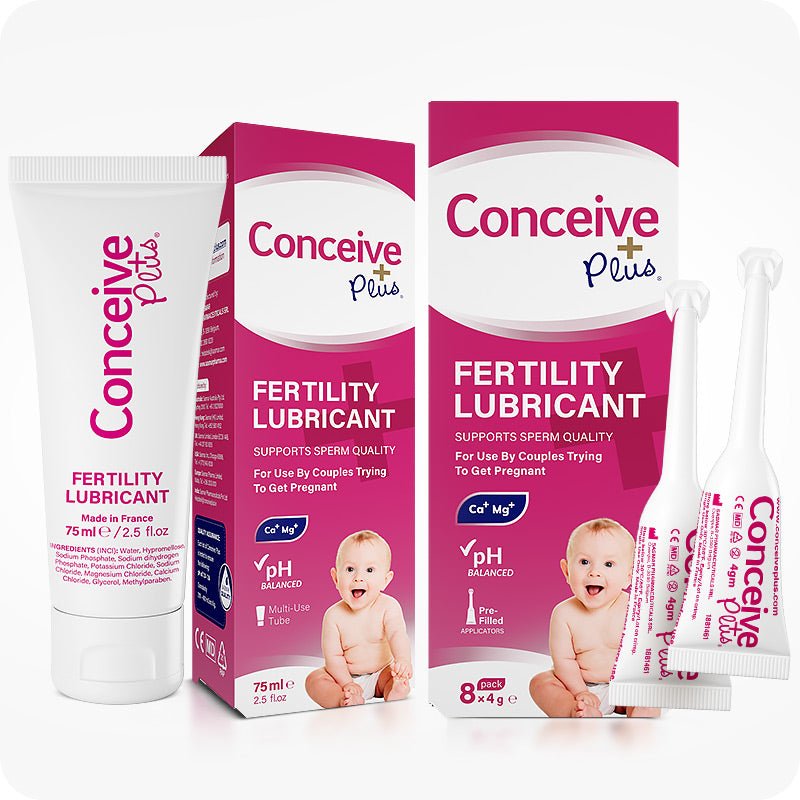
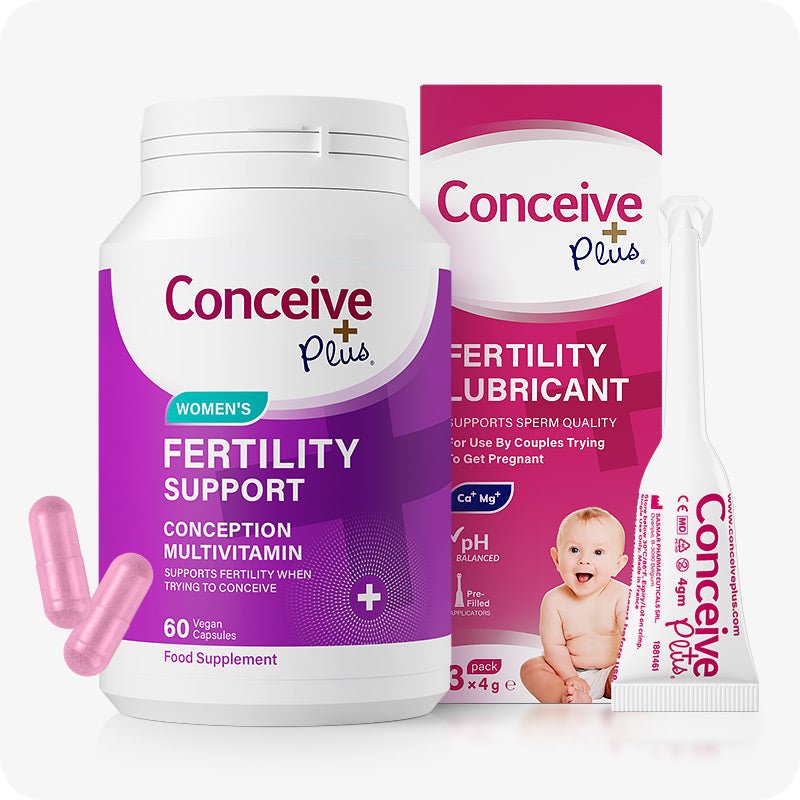
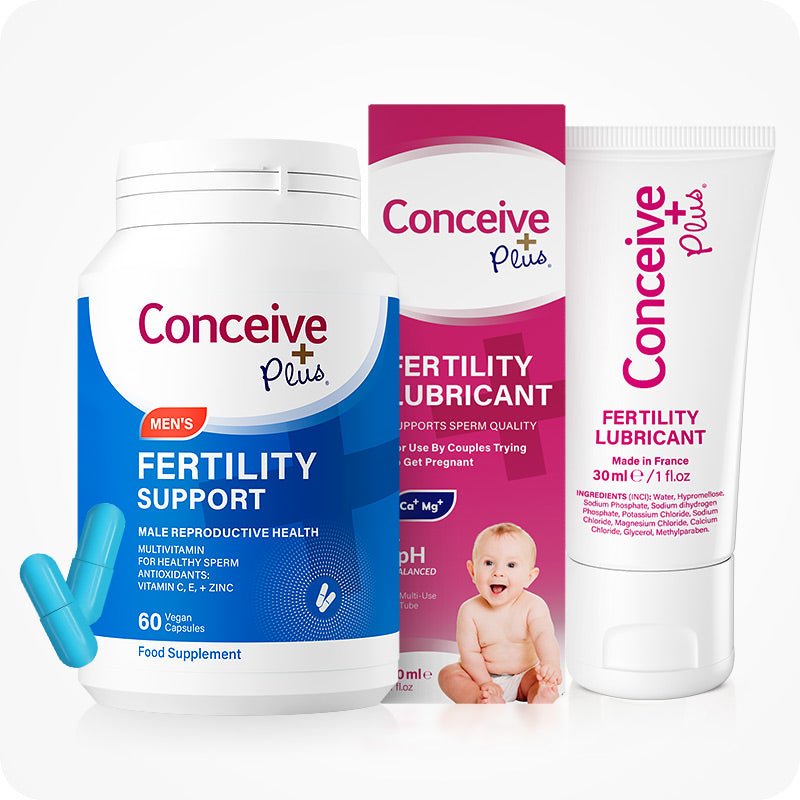
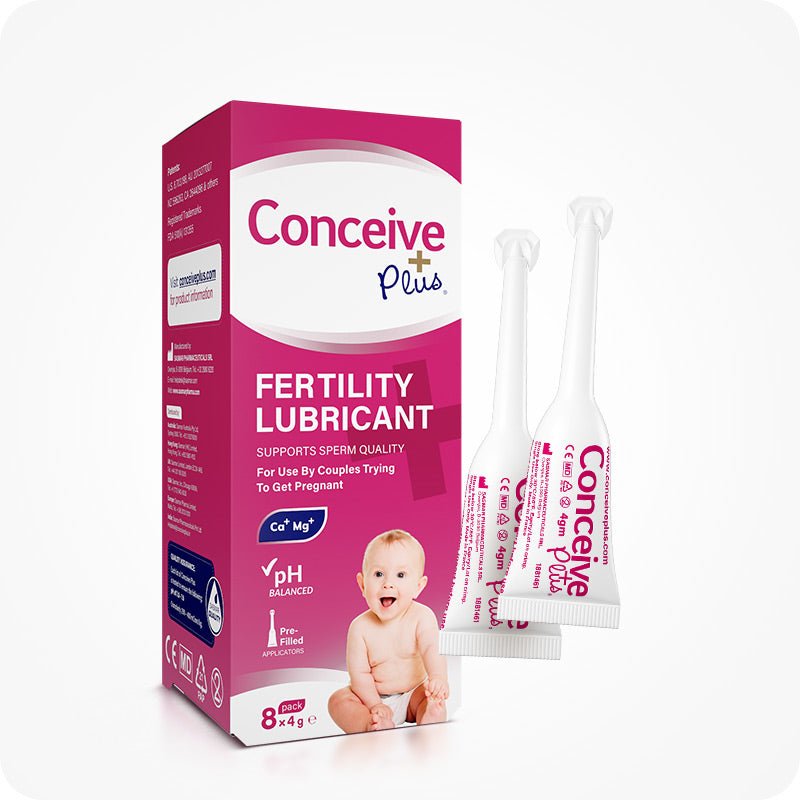
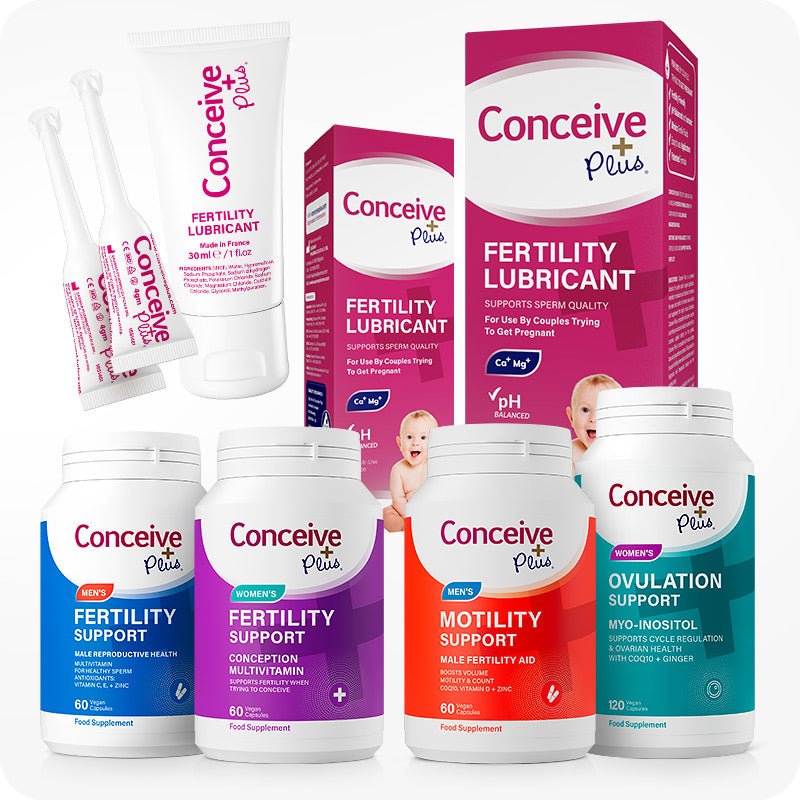
Fertility lubricants can support this process by providing a sperm-friendly environment. Conceive Plus Fertility Lubricant is clinically formulated to match the pH and osmolality of fertile cervical mucus, supporting sperm survival and motility rather than impairing it as standard lubricants can.
When Ovulation Tracking Doesn't Work: Irregular Cycles and Anovulation
For some women, standard ovulation tracking methods are less reliable due to irregular cycles or anovulation (absence of ovulation). This is common in women with PCOS, thyroid disorders, extreme stress, or significant weight changes.
Signs that you may not be ovulating regularly include:
- Cycles shorter than 21 days or longer than 35 days
- Highly variable cycle lengths month to month
- Absence of fertile-quality cervical mucus
- No sustained temperature shift on BBT chart
- Multiple positive OPKs without confirmed ovulation
If you suspect you are not ovulating, speak with your healthcare provider. The good news is that anovulation is one of the most treatable causes of infertility. First-line medications such as clomiphene citrate or letrozole induce ovulation in 70–80% of women, and most of those women will ovulate within the first cycle of treatment.
Even with ovulation induction medications, tracking remains important. Your doctor will likely monitor follicle growth through ultrasound and may recommend OPKs to time intercourse or intrauterine insemination (IUI).
The most important thing is not to blame yourself if tracking is difficult. Some women simply do not have consistent, predictable cycles, and that is not a reflection of anything you have done wrong. Modern medicine has highly effective solutions for virtually every ovulation-related challenge.
Frequently Asked Questions
When is the best time to take an ovulation test?
The best time is between 10 AM and 2 PM for most women, as LH surge often begins overnight. However, following your kit's specific instructions is important. Reduce fluid intake 2 hours before testing to avoid diluting urine.
Can I ovulate without a positive OPK?
Yes. Some women have a short LH surge that may be missed if testing only once daily. Also, women with PCOS may have elevated baseline LH that makes surge detection difficult. Testing twice daily (morning and early afternoon) can help.
How many days after ovulation can I get pregnant?
The egg is viable for only 12–24 hours after ovulation. After 24 hours, the chance of conception in that cycle is essentially zero. This is why predicting ovulation — not just confirming it — is so important.
Does the fertility window include the day after ovulation?
Technically yes, but the probability is very low. The highest conception probability is in the 2–3 days immediately before ovulation. By the day after ovulation, the egg's viability is rapidly declining.
Can stress delay ovulation?
Yes. Stress can suppress the LH surge and delay ovulation by days or even weeks. This is why a cycle may feel unusually long during a stressful month. Managing stress is an important part of fertility care.
Is it normal for LH levels to fluctuate before a positive?
Yes. LH is released in pulses, and levels naturally fluctuate throughout the day. Some women see rising levels over 2–3 days before a clear positive. Others go from negative to positive within hours.
How long does sperm survive inside the female body?
In the presence of fertile-quality cervical mucus, sperm can survive up to 5 days. Without fertile mucus, survival is typically only a few hours. This is why tracking cervical mucus is valuable — it tells you when conditions are optimal.
Do I need to use a fertility lubricant for conception?
Standard lubricants can impair sperm motility and should be avoided when trying to conceive. A clinically formulated fertility lubricant like Conceive Plus, which matches the pH and osmolality of fertile mucus, supports sperm function.
Should I keep using OPKs after confirmed ovulation?
No. Once you have confirmed ovulation through BBT rise or a progesterone test, OPKs are no longer useful until your next cycle. Save the tests for the pre-ovulatory phase.
How many cycles should I track before seeing a doctor?
If you are under 35 and have been tracking for 6–12 months without conception, or over 35 and tracking for 6 months, it is time to see a fertility specialist. Earlier if you have irregular cycles or known risk factors.
💙 Ready to Take the Next Step?
Browse our range of clinically-formulated fertility products designed to support you at every stage. Shop Conceive Plus Ovulation Predictor Kits →