Myo-Inositol for PCOS Pregnancy Success: A Comprehensive Guide to Conception


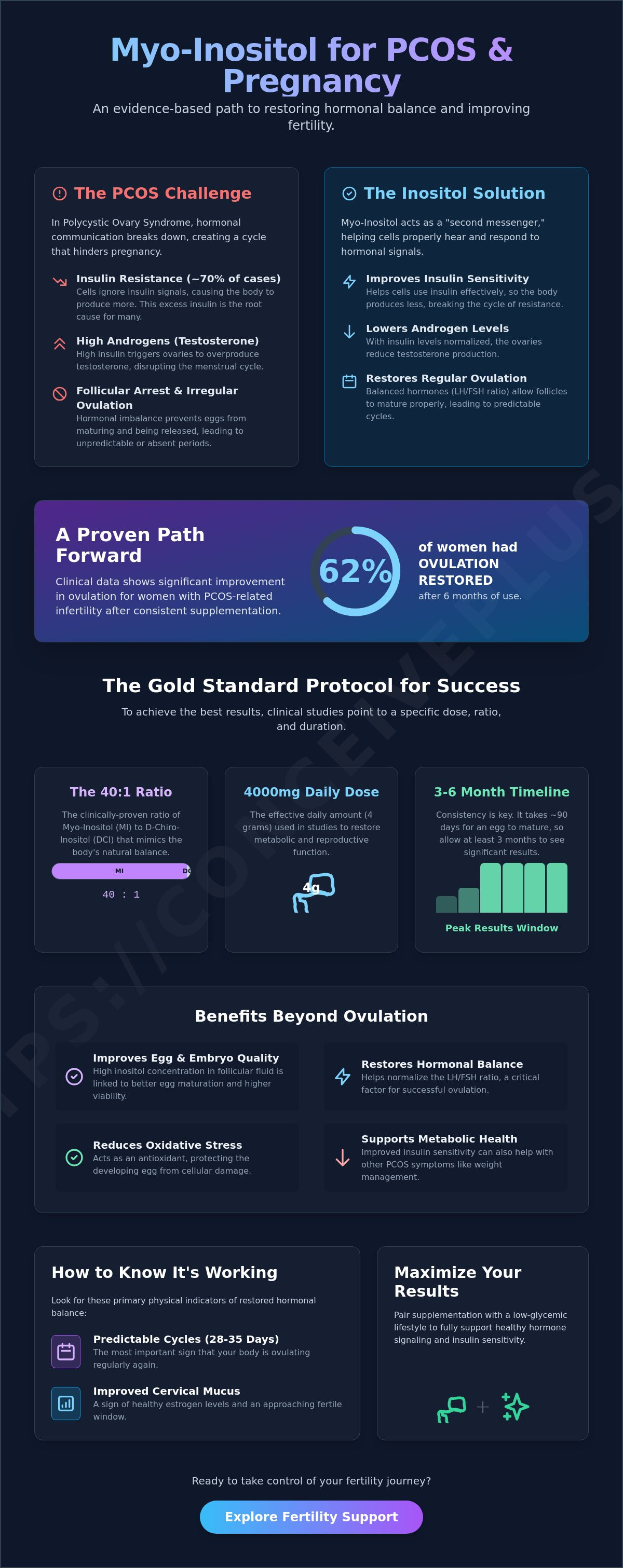
Did you know that 62% of women struggling with PCOS-related infertility saw their ovulation restored after six months of consistent supplementation? When you're dealing with irregular cycles and the constant worry about egg quality, that number feels like more than just a statistic; it's a genuine path forward. Using myo-inositol for PCOS pregnancy success is no longer just a "wellness trend" but a clinically recognized strategy for managing the metabolic roots of your symptoms. You've likely felt the frustration of weight gain that won't budge and the quiet fear that your body isn't producing the high-quality eggs needed for a healthy embryo.
It's exhausting to feel like you're fighting against your own biology every month. This guide explores the evidence-based role of myo-inositol in restoring regular ovulation, improving egg quality, and reducing the metabolic hurdles that stand between you and a full-term pregnancy. We'll break down the gold-standard 40:1 ratio, the 4-gram daily dosing protocol, and why giving your body at least 90 days to reset is the key to achieving your goals.
Key Takeaways
- Understand the "second messenger" mechanism that helps your cells correctly process insulin and follicle-stimulating hormone (FSH).
- Learn how the concentration of inositol within your follicular fluid directly influences egg maturation and embryo viability.
- Discover why the 40:1 ratio and a 4000mg daily dose are considered the gold standard of myo-inositol for PCOS pregnancy success.
- Identify the primary physical indicators, such as a predictable 28-35 day cycle and improved cervical mucus, that show your protocol is working.
- Find out how to maximize your results by pairing supplementation with a low-glycemic lifestyle to support healthy hormone signaling.
The Biological Connection: How Myo-Inositol Drives PCOS Pregnancy Success
Myo-inositol isn't just another supplement; it's a vital molecule your body uses to translate hormonal signals into action. While many people mistake it for a vitamin, it's actually a carbocyclic sugar that acts as a primary building block for cellular communication. To grasp why this matters, we first need to understand What is Inositol? and how it functions as a "second messenger." This means when a hormone like insulin or FSH (follicle-stimulating hormone) reaches a cell, myo-inositol helps the cell actually "hear" and respond to that message. Using myo-inositol for PCOS pregnancy success starts with fixing this internal communication breakdown.
To better understand how this supplement works within your body, watch this helpful video:
When this communication is broken, your ovaries receive mixed signals. Instead of maturing an egg for ovulation, the body produces excess androgens, leading to the metabolic and reproductive stalls common in PCOS. Restoring this balance is the essential first step toward a healthy, full-term pregnancy.
Why PCOS Disrupts the Path to Pregnancy
The journey to conception is often stalled by high insulin levels. In about 70% of PCOS cases, insulin resistance is the hidden driver. When insulin stays high, it triggers the ovaries to overproduce testosterone. This hormonal flood causes "follicular arrest," where follicles stop growing before they can release an egg. It's a frustrating cycle that leaves you with irregular or absent periods. The emotional weight of not knowing when you'll ovulate makes the TTC journey feel like an exhausting guessing game.
The Role of Inositol in Hormonal Communication
Myo-inositol improves insulin sensitivity at the cellular level by ensuring the chemical "gate" opens correctly when insulin arrives. Once your cells start responding to insulin properly, your body doesn't need to pump out as much of it. Lower insulin levels naturally lead to a decrease in testosterone production within the ovaries. This shift helps restore a healthy LH/FSH ratio, which is essential for your body to select and release a dominant egg. By cleaning up the hormonal noise, you're creating a fertile environment where regular, predictable cycles can finally return.
Beyond Ovulation: Improving Egg Quality and Embryo Viability
Focusing on ovulation is the vital first step, but for a successful pregnancy, we have to look closer at what's happening inside the follicle. The composition of follicular fluid acts as the life support system for a developing egg. High concentrations of myo-inositol in this fluid are strong predictors of better egg quality. When these levels are optimal, the egg matures more effectively, which directly translates to higher implantation rates and better embryo viability. Using myo-inositol for PCOS pregnancy success isn't just about timing; it's about ensuring the egg is healthy enough to sustain a pregnancy once fertilization occurs.
Oxidative stress is a common hurdle for women with PCOS. It creates a cellular environment that can damage fragile eggs and hinder their development. Myo-inositol helps neutralize this stress within the reproductive system. By acting as a protective shield, it allows the egg to develop without the interference of inflammatory markers. For those considering clinical interventions, Myo-Inositol for Fertility Treatment is increasingly recommended by specialists to optimize these outcomes before a cycle begins. If you're looking for comprehensive support, explore fertility-friendly options that prioritize cellular health from the very beginning.
The 90-Day Egg Maturation Cycle
Real progress takes time because of how eggs develop. An egg doesn't just appear; it undergoes a recruitment phase that lasts roughly 90 days before it's released. This is why most clinical studies suggest a minimum of three to six months of consistent supplementation to see peak results. During this window, myo-inositol supports the follicle as it grows from a resting state to a dominant one. You can typically expect to see improved fertility signals, like better quality cervical mucus or more predictable LH surges, by the end of the second or third month of use.
Reducing Pregnancy Complications Common in PCOS
Success doesn't end with a positive test. Women with PCOS often face a higher risk of early pregnancy loss and Gestational Diabetes (GDM). Because myo-inositol manages insulin sensitivity, it helps maintain a stable metabolic baseline. Research from 2025 indicates that improving insulin resistance before conception can significantly lower the risk of GDM during the second and third trimesters. Maintaining this metabolic health contributes to a more stable environment for the growing embryo, reducing the fear of complications that often shadow a PCOS pregnancy journey. Keeping your metabolic markers in check through the first trimester supports a healthier foundation for both mother and baby.
The Success Protocol: Dosing, Ratios, and Timing for PCOS
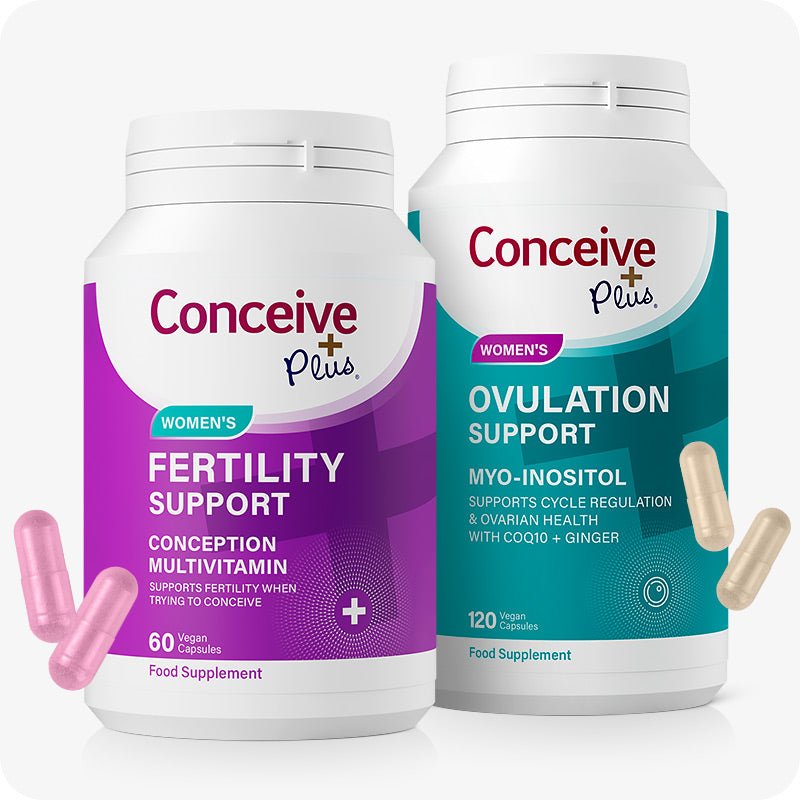
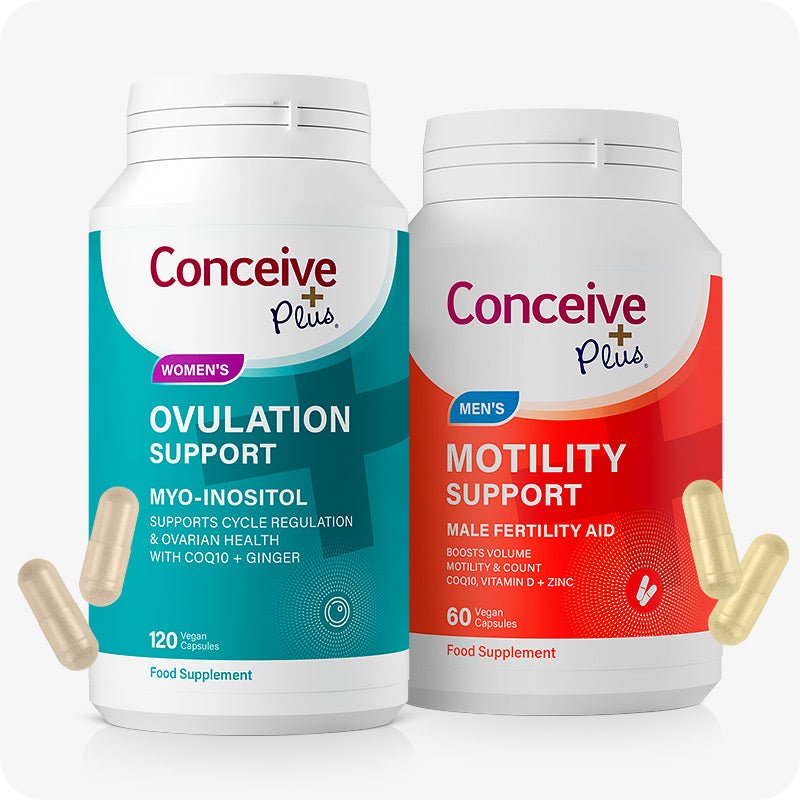
To turn biological theory into reality, you need a precise strategy. Clinical studies, including a 2026 systematic review, confirm that the dosage you choose significantly impacts your results. For those pursuing myo-inositol for PCOS pregnancy success, the standard protocol involves taking 2 grams twice daily, totaling 4 grams per day. This consistency ensures your body has a steady supply of inositol to manage insulin signaling around the clock. While it's tempting to think more is better, sticking to this 4000mg total is the most evidence-based path to restoring ovulation.
The medical community has reached a strong consensus on these requirements. For instance, the SOGC Position Statement on Inositol for PCOS highlights the importance of using a specific 40:1 ratio of myo-inositol to D-chiro-inositol. This ratio mimics the body's natural physiological levels found in healthy follicular fluid. Taking your supplement consistently, whether with or without food, helps maintain the metabolic "rhythm" your ovaries need to restart their natural cycle.
Finding the Right Ratio: MI vs. DCI
Your ovaries are specialized environments that naturally maintain a high concentration of myo-inositol. While D-chiro-inositol (DCI) helps with systemic insulin resistance, too much of it can actually be detrimental to the ovaries. High-dose DCI has been shown to impair egg quality and may even lead to follicular arrest if the balance is off. This is why the 40:1 ratio is the gold standard. It provides enough DCI to support metabolic health without overwhelming the delicate environment required for egg maturation. When shopping, look for fertility-specific formulas rather than generic inositol powders that don't specify their ratios.
Setting Your Dosing Schedule
- Step 1: Split your 4000mg total dose into two 2000mg servings. Taking one in the morning and one in the evening helps maintain stable levels in your bloodstream and prevents the "peaks and valleys" that can occur with a single large dose.
- Step 2: Pair your inositol with Folic Acid or Folate. These nutrients work synergistically to support neural tube development and improve the hormonal environment for conception.
- Step 3: Maintain the routine for at least 12 weeks. Since the egg maturation cycle takes roughly 90 days, you won't see the full impact on egg quality until you've completed a full cycle of supplementation.
Measuring Success: How to Know if Myo-Inositol is Working
Tracking progress while using myo-inositol for PCOS pregnancy success requires a shift in focus. It's easy to get discouraged if a pregnancy doesn't happen in the first month. However, your body often provides several "early wins" that signal the protocol is working. The most definitive sign is the return of a predictable 28-35 day cycle. Data from a 2026 systematic review showed that 71% of users reported regular menstrual cycles after six months of supplementation. This regularity isn't just convenient; it's proof that your hormonal communication is being restored.
You may also notice changes in your "fertile window" signals. As your estrogen levels balance out, you'll likely see an increase in cervical mucus that looks like raw egg whites. This fluid is essential for protecting sperm and helping it reach the egg. These physical changes are your body's way of telling you the environment is becoming more hospitable for conception. If you notice these shifts, it's a strong indicator that your egg quality and hormonal timing are improving.
Physiological Signs of Restored Ovulation
Confirming ovulation is vital. Many women use Basal Body Temperature (BBT) to track the slight rise in heat that occurs after an egg is released. While traditional LH strips can be unreliable for PCOS due to chronically high baseline levels, tracking your BBT provides a clear "after-the-fact" confirmation. To stay on top of these shifts, you can use an ovulation calculator to identify emerging patterns in your cycle. Consistent tracking helps you move from guessing to knowing exactly when your body is ready.
The 'Inositol Glow': Metabolic Improvements
The benefits often show up on your skin before they show up on a test. As myo-inositol improves insulin sensitivity, it helps lower the excess androgens responsible for adult acne and unwanted hair growth. This "inositol glow" is a visible marker of internal hormonal balance. You'll also likely find that weight maintenance becomes less of a struggle. A 2025 study found that myo-inositol improved insulin resistance markers (HOMA-IR) by an average of -1.4 points, which is comparable to results from 1500 mg/day of metformin. Additionally, stable blood sugar levels help eliminate the mid-day energy crashes and persistent "brain fog" that many women with PCOS experience daily.
Ready to support your journey with science-backed nutrients? Explore our range of fertility supplements designed for PCOS success.
Holistic Support: Integrating Inositol into Your Conception Strategy
While the data supporting myo-inositol for PCOS pregnancy success is compelling, it's vital to remember that supplements don't exist in a vacuum. The 2023 international evidence-based PCOS guidelines clarify that myo-inositol is most effective when integrated with lifestyle modifications rather than used as a stand-alone treatment. Creating a fertile environment requires a multi-layered approach that addresses metabolic health, nutrition, and even the physical environment of the reproductive tract. When you combine targeted supplementation with daily habits, you're not just treating a symptom; you're building a foundation for a healthy pregnancy.
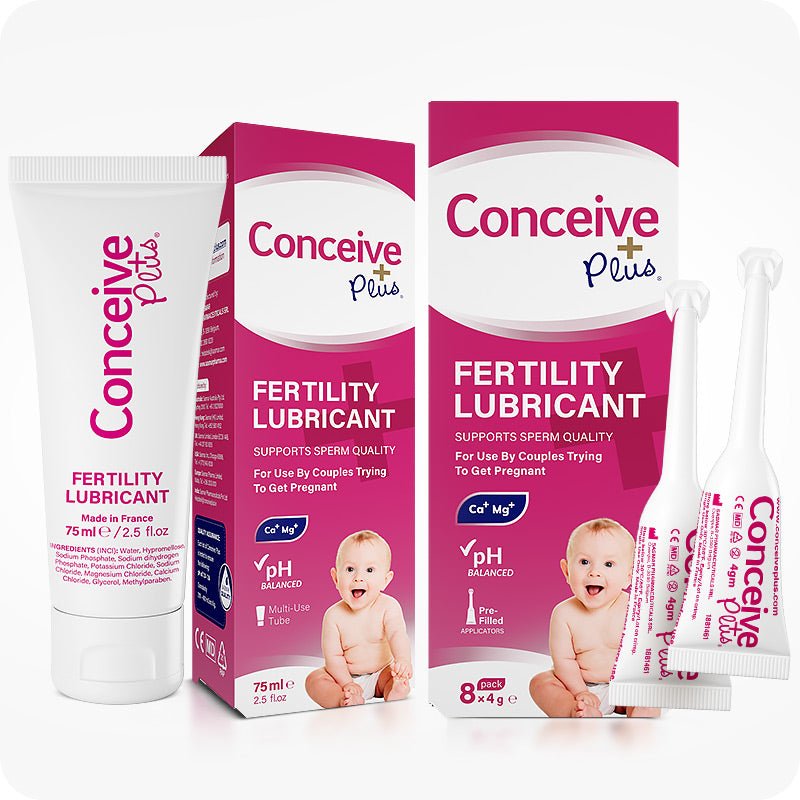
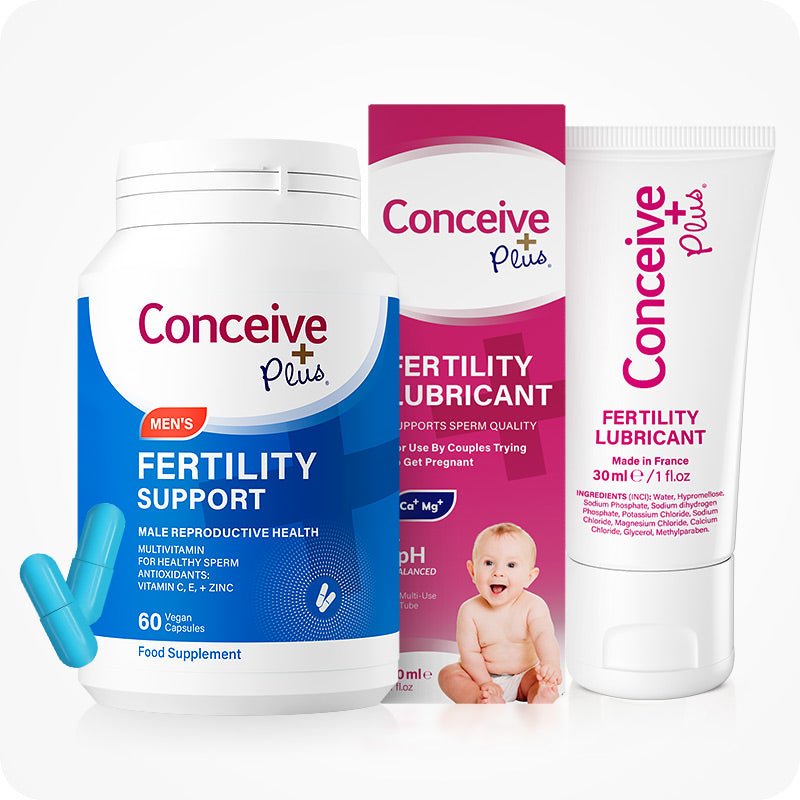
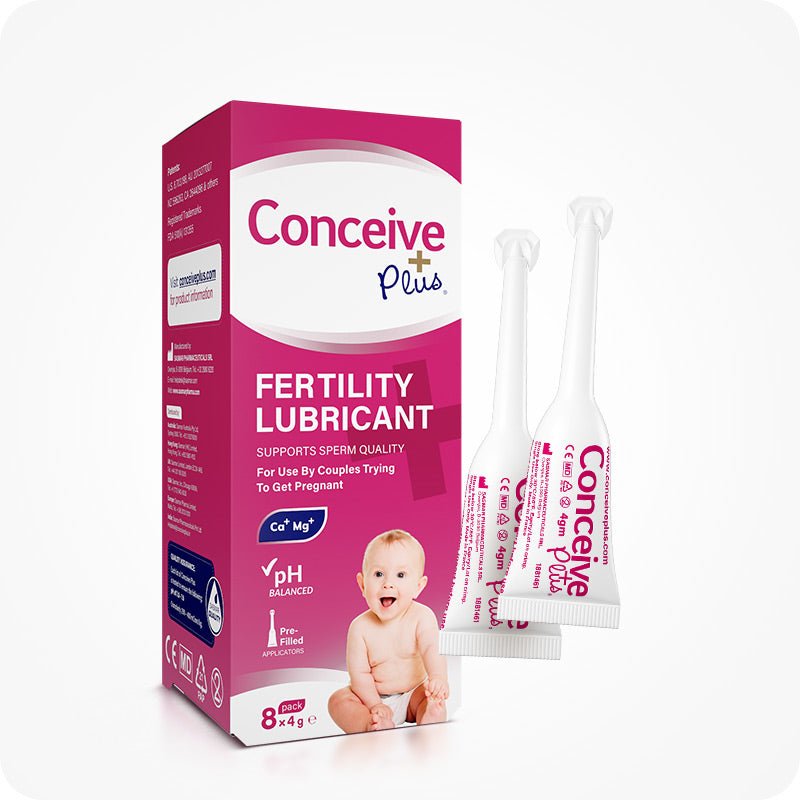
Focusing on a low-glycemic diet is a critical partner to your supplement routine. Since myo-inositol works to improve insulin signaling, eating foods that prevent sharp blood sugar spikes allows the supplement to work more efficiently. This nutritional synergy helps maintain the stable hormonal environment needed for the egg maturation cycle we discussed earlier. Additionally, specialized fertility lubricants are another often-overlooked tool. Standard lubricants can actually hinder sperm motility, so using a pH-balanced, fertility-friendly option during your fertile window ensures that sperm have the best possible chance of reaching the egg once ovulation is restored.
The Power of Fertility Bundles
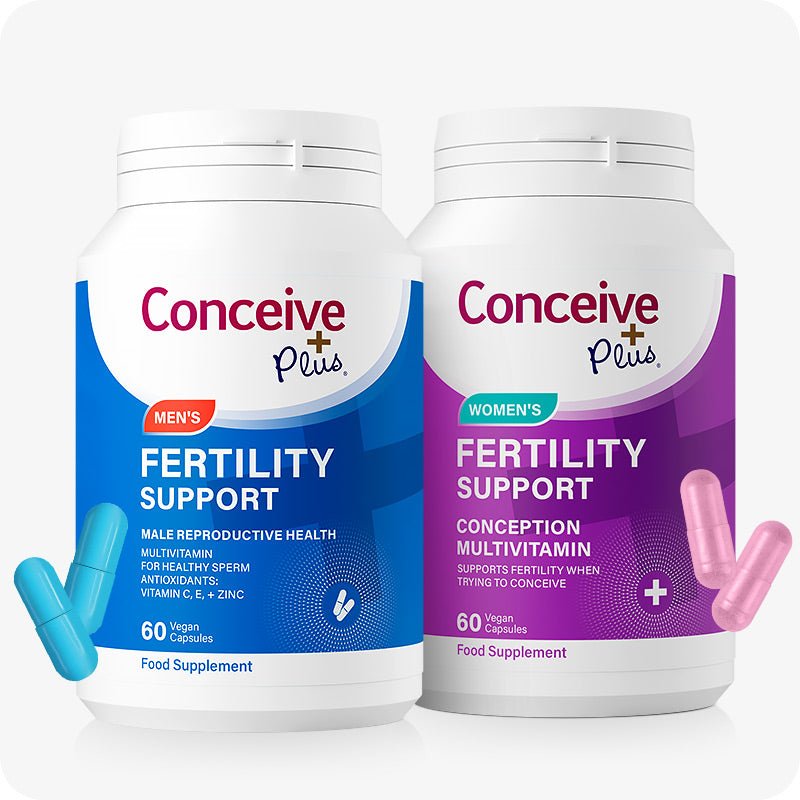
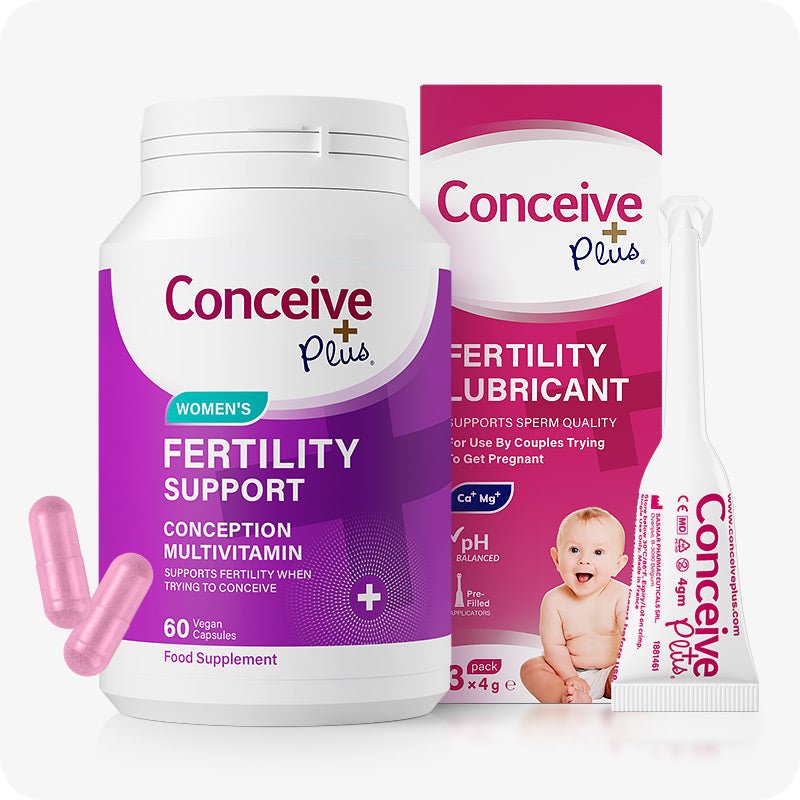
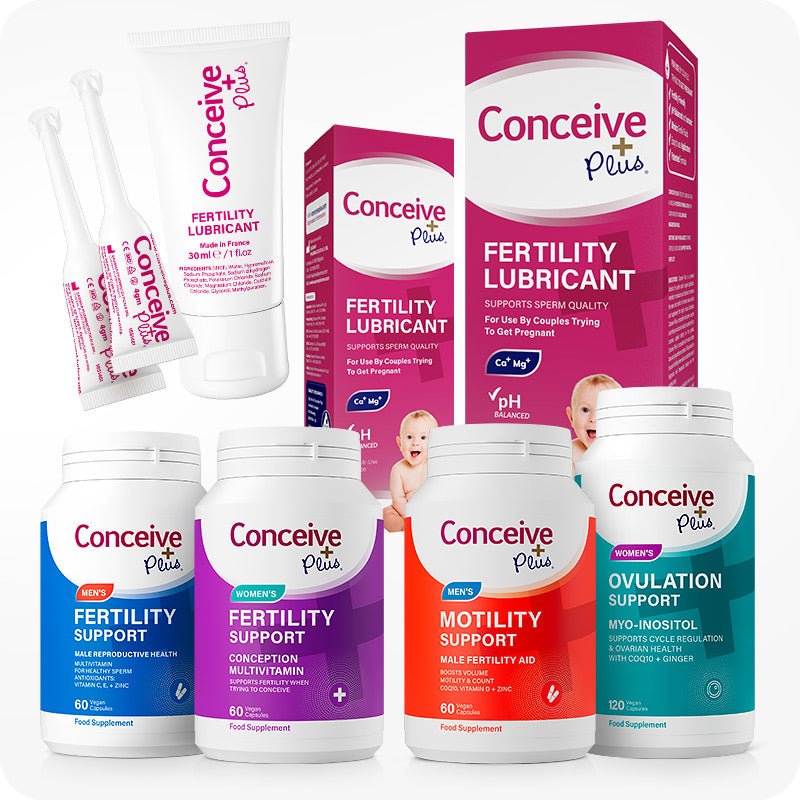
Consistency is often the biggest challenge in any TTC journey. Combining myo-inositol with a high-quality prenatal vitamin ensures there are no nutritional gaps in your routine, particularly regarding folate and vitamin D, which are essential for embryo development. To streamline this process, many women turn to all fertility products and bundles. These curated sets often provide multi-nutrient support for both partners. It's a common misconception that fertility is solely a female concern; however, supporting male reproductive health simultaneously can significantly improve your overall chances of a successful conception.
Next Steps for Your TTC Journey
Patience is your greatest ally during the first 90 days. As your body resets its hormonal clock, stay motivated by tracking the non-reproductive wins, like steadier energy levels and clearer skin. If you've been consistent with the 4-gram daily protocol for six months and haven't seen a return of regular ovulation, it's time to consult a fertility specialist. They can help determine if your specific PCOS phenotype requires additional medical intervention alongside your supplement plan. Taking charge of your reproductive health is an empowering step. You can browse our special offers to find the right tools to start your PCOS success plan today.
Empower Your Path to a Healthy Pregnancy
Achieving a healthy pregnancy with PCOS starts with clearing the metabolic hurdles that stand in your way. By prioritizing the evidence-based 40:1 ratio and honoring the 90-day egg maturation cycle, you're actively restoring your body's natural rhythm. Myo-inositol for PCOS pregnancy success is about more than just ovulation; it's about creating the cellular health required for a strong embryo and a safe, full-term journey. Every step you take toward hormonal balance brings you closer to your goal.
You don't have to do this alone. Start your journey to pregnancy success with Conceive Plus fertility support. Our solutions are clinically formulated for PCOS support and have been trusted by millions of couples TTC since 2008. Recommended by fertility specialists worldwide, our supplements provide the targeted care your body deserves. Your dream of motherhood is worth the effort. Stay focused on your progress, trust the science, and know that better hormonal health is within your reach.
Frequently Asked Questions
Can I take myo-inositol if I'm already taking Metformin for PCOS?
You can generally take myo-inositol alongside Metformin, but you should always consult your healthcare provider first. While both improve insulin sensitivity, they work through different biological pathways. Using myo-inositol for PCOS pregnancy success in combination with medical treatments can sometimes lead to better results. Your doctor may need to monitor your blood sugar levels to ensure they stay within a healthy range, as both substances impact glucose metabolism.
How long does it take for myo-inositol to help me get pregnant?
It typically takes three to six months of consistent use to see significant results. This timeframe aligns with the 90-day maturation cycle of an egg. While some women notice cycle changes within the first month, the full benefits for egg quality and hormonal balance require at least 12 weeks of daily supplementation. Consistency is the most important factor in achieving your long-term conception goals.
Are there any side effects of taking 4000mg of myo-inositol daily?
Myo-inositol is widely considered safe and well-tolerated at the standard 4000mg daily dose. Some users might experience mild gastrointestinal side effects like nausea, bloating, or loose stools when they first start. If you have a sensitive stomach, you can try splitting the dose into two servings or taking it with meals. Most symptoms are temporary and resolve quickly as your body adjusts to the supplement.
Should I stop taking myo-inositol once I get a positive pregnancy test?
You shouldn't stop taking myo-inositol immediately without consulting your doctor. Many specialists recommend continuing the supplement through the first trimester to help reduce the risk of Gestational Diabetes (GDM). Since PCOS increases the risk of early pregnancy loss due to metabolic imbalances, maintaining a stable insulin response during the early weeks of development can be highly beneficial for supporting a healthy, full-term pregnancy.
Does myo-inositol help with egg quality in older women with PCOS?
Myo-inositol can improve egg quality in older women by reducing oxidative stress within the follicular fluid. As we age, the cellular environment of the ovaries becomes more prone to damage. Inositol acts as a protective "second messenger," helping older follicles respond better to hormonal signals. This support is vital for improving embryo viability and increasing the chances of a successful pregnancy, even when facing age-related fertility shifts.
What is the difference between myo-inositol and D-chiro-inositol for fertility?
Myo-inositol focuses on follicular health and FSH signaling, while D-chiro-inositol primarily handles systemic insulin management. The 40:1 ratio is crucial because the ovaries require much higher levels of myo-inositol to function correctly. Taking too much D-chiro-inositol can actually harm egg quality. This is why using a balanced myo-inositol for PCOS pregnancy success formula is safer and more effective than taking the individual components separately or in different ratios.
Can myo-inositol help if I don't have insulin resistance but have PCOS?
Even if you don't have clinical insulin resistance, myo-inositol can still support your fertility. It helps regulate the LH/FSH ratio and supports the maturation of oocytes. PCOS involves complex hormonal signaling beyond just insulin, and inositol's role in the "second messenger" system helps your cells process various reproductive hormones more efficiently. This makes it a useful tool for almost all PCOS phenotypes, regardless of your weight or insulin status.
Is myo-inositol safe to take while breastfeeding or during IVF?
Myo-inositol is frequently recommended during IVF to improve oocyte and embryo quality before retrieval. Emerging evidence from 2025 suggests that three months of use prior to ovarian stimulation can lead to better outcomes. Regarding breastfeeding, it's naturally present in breast milk and generally considered safe. However, you should always confirm with your pediatrician or fertility specialist before starting any new supplement while nursing or undergoing active fertility treatments.