Miscarriage Recovery: Healing Physically and Emotionally When Trying Again


Miscarriage Recovery: Healing Physically and Emotionally Before Trying Again
Experiencing a miscarriage is one of the most painful losses a person can go through — and yet it remains one of the most common pregnancy complications, affecting approximately 10–20% of confirmed pregnancies. Miscarriage recovery encompasses physical healing, emotional processing, and — when you're ready — preparation for trying again. This comprehensive guide covers all three dimensions with compassion and evidence.
At Conceive Plus, we support couples through every stage of the fertility journey, including loss. You are not alone.
Understanding Miscarriage: What Causes It and What You Need to Know
The most important thing to understand about miscarriage is that the vast majority are caused by chromosomal abnormalities in the embryo — not by anything you did or didn't do. Studies consistently show that 60–80% of first-trimester miscarriages result from chromosomal errors during cell division, most commonly aneuploidy (the wrong number of chromosomes).
This is not caused by:
- Exercise (including vigorous exercise)
- Having sex
- Stress or emotional upset
- Eating or drinking something before you knew you were pregnant
- Past use of contraception
- Minor falls or bumps
Miscarriage risk does increase with age (due to higher rates of chromosomal errors in eggs), and certain medical conditions, infections, and uterine abnormalities are associated with higher risk — but for most single miscarriages, chromosomal chance is the dominant explanation.
Types of miscarriage include:
- Missed miscarriage (silent miscarriage): Embryo stops developing without symptoms; often discovered at a scan
- Chemical pregnancy: Very early miscarriage, often before a missed period; hCG rises briefly then falls
- Incomplete miscarriage: Some pregnancy tissue remains in the uterus
- Complete miscarriage: All pregnancy tissue has passed naturally
- Recurrent miscarriage: 3 or more consecutive miscarriages (affects approximately 1–2% of couples)
Physical Recovery After Miscarriage
Ready to support your fertility? Shop Conceive Plus fertility supplements — trusted by couples and clinics worldwide.
Physical recovery timelines vary significantly depending on how far along the pregnancy was and how the miscarriage was managed.
Natural (Expectant) Management
Allowing the miscarriage to pass naturally typically takes 1–2 weeks for complete tissue passage. Cramping and bleeding can be significant, particularly for miscarriages beyond 8 weeks. Most women find it takes 2–6 weeks for bleeding to stop completely and for the body to stabilise.
Medical Management
Medication (misoprostol) is used to help the uterus pass remaining tissue. It typically acts within 24–48 hours. Light spotting may continue for 1–3 weeks afterwards.
Surgical Management (Surgical Evacuation / D&C)
A dilation and curettage (D&C) or manual vacuum aspiration removes tissue surgically. Physical recovery is typically quickest with this method — many women feel physically recovered within a few days, though some experience light spotting for 1–2 weeks.
Return of Ovulation and Menstruation
This is a critical question for couples wanting to try again. Ovulation typically returns 2–4 weeks after a miscarriage, before the first period. This means it is biologically possible to conceive before having a first post-miscarriage period. First period typically arrives 4–6 weeks after the miscarriage is complete.
Medically, there is no longer a consensus recommendation to wait multiple cycles before trying again. NICE guidelines (UK) and research from the University of Aberdeen suggest that attempting conception in the cycle immediately after miscarriage is not only safe but may be associated with slightly better outcomes than waiting. The previous recommendation to "wait three months" was not evidence-based and has largely been abandoned by specialists.
Emotional Recovery: The Grief That Often Goes Unacknowledged
Miscarriage grief is real, significant, and frequently minimised by well-meaning people ("at least it was early," "at least you can get pregnant," "just try again"). These statements, however kindly intended, can be deeply painful to hear because they imply the loss was minor — when for most people, it was profound.
What many people experience after miscarriage:
- Grief, sadness, and crying that may come in unexpected waves
- Anger — at the situation, at their body, at people who are pregnant
- Anxiety about future pregnancies
- A sense of emptiness or numbness
- Difficulty concentrating (sometimes called "pregnancy brain fog" persisting after loss)
- Guilt (even though there is nothing to feel guilty about)
- Social isolation — particularly around baby showers, announcements, or social situations
A 2016 study published in BMJ Open found that 29% of women experienced post-traumatic stress symptoms after miscarriage, 24% experienced anxiety, and 11% experienced depression — often persisting for months. Men and partners also experience significant grief, though this is even less frequently acknowledged.
Giving yourself — and your partner — permission to grieve, without minimising or rushing the process, is itself part of recovery.
When to Seek Support After Miscarriage
Reaching out for support is not weakness — it's wisdom. Consider speaking to a professional if you:
- Experience persistent low mood, withdrawal, or inability to function in daily life lasting more than a few weeks
- Have intrusive thoughts or flashbacks related to the miscarriage
- Feel your relationship is significantly strained
- Feel overwhelming anxiety about another pregnancy
- Have thoughts of self-harm
Resources available across Europe include fertility-specific counselling (many clinics offer this), mental health support through your GP, and organisations such as the Miscarriage Association, Tommy's, and national equivalents in EU countries.
Many people find peer support invaluable — connecting with others who have experienced miscarriage removes the isolation. Online communities can provide this, with the caveat that managing exposure to triggering content (pregnancy announcements in the same spaces) is worth considering.
Investigating Recurrent Miscarriage: When to Seek Testing
A single miscarriage, while heartbreaking, does not typically warrant extensive investigation. The recommendation for formal recurrent miscarriage workup in most European guidelines is after three consecutive miscarriages (or sometimes two, particularly in women over 35).
Standard recurrent miscarriage investigations include:
- Chromosomal karyotyping of both partners — to identify balanced chromosomal translocations that may cause recurrent embryo chromosomal errors
- Antiphospholipid syndrome (APS) testing: Antibodies (lupus anticoagulant, anticardiolipin, beta-2 glycoprotein) that cause clotting; APS is treatable with low-dose aspirin and/or heparin during pregnancy
- Uterine anatomy assessment: Hysteroscopy or MRI to identify uterine septum, fibroids, or adhesions that may affect implantation
- Thyroid function testing: Thyroid autoimmunity (Hashimoto's) even with normal TSH is associated with higher miscarriage risk; treatment with levothyroxine is beneficial in some cases
- Progesterone levels: Luteal phase deficiency may be evaluated; supplemental progesterone (Cyclogest) is offered in some recurrent miscarriage cases
If you've experienced two or more miscarriages, requesting a referral to a recurrent miscarriage specialist is fully appropriate and warranted.
Nutritional Support for Miscarriage Recovery and Trying Again
Recovery nutrition supports both physical healing and preparation for the next pregnancy. Key focus areas:
Iron Replenishment
Miscarriage involves blood loss, which can deplete iron stores. Fatigue after miscarriage may partly reflect temporary iron depletion. Iron-rich foods (red meat, lentils, spinach, fortified cereals) support recovery. If fatigue is significant, ask your doctor to check serum ferritin.
Folate/Methylfolate from Day One
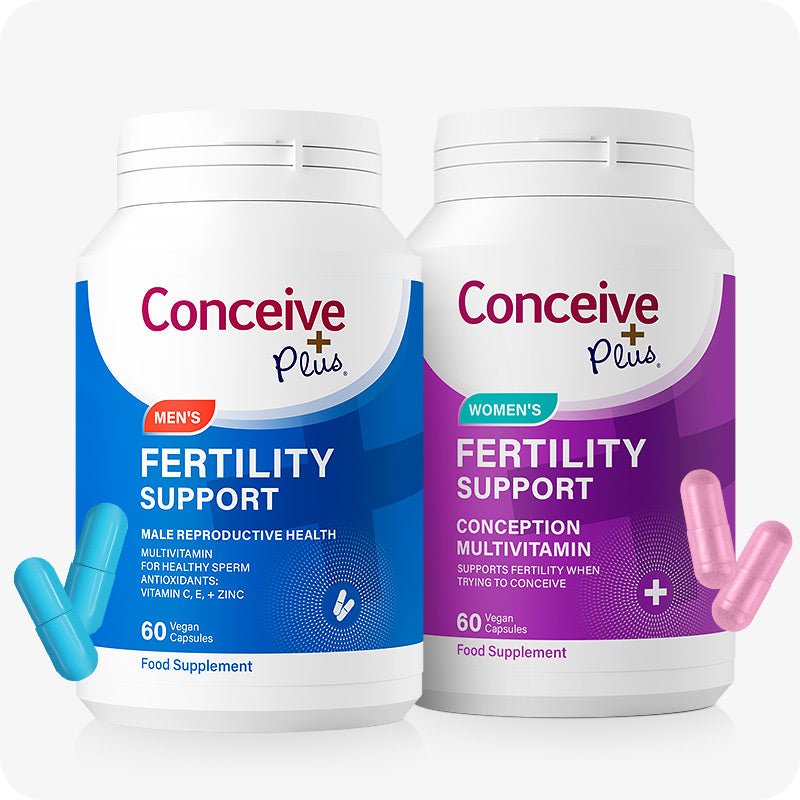
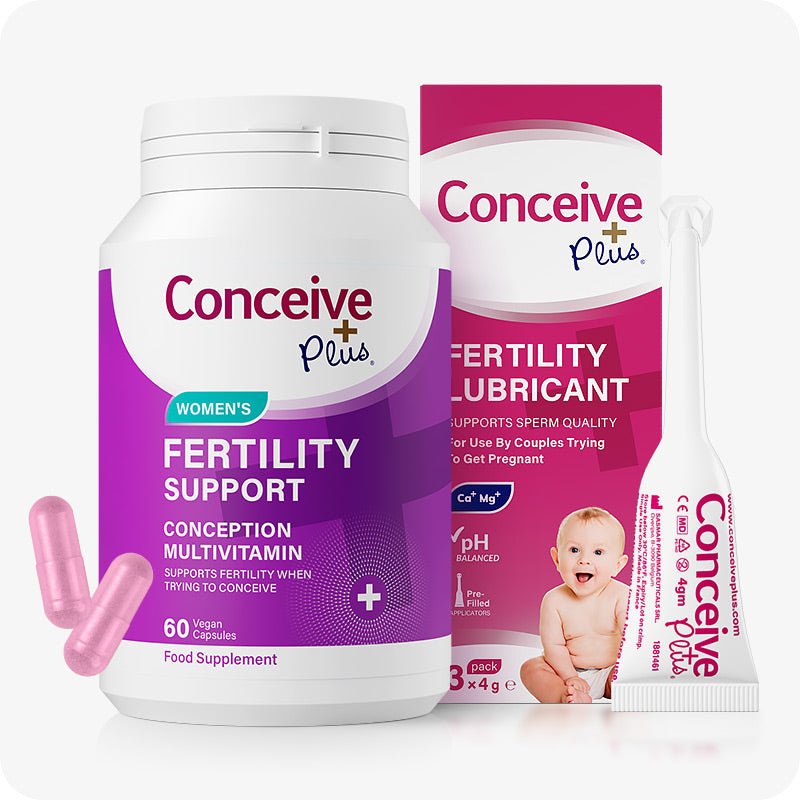
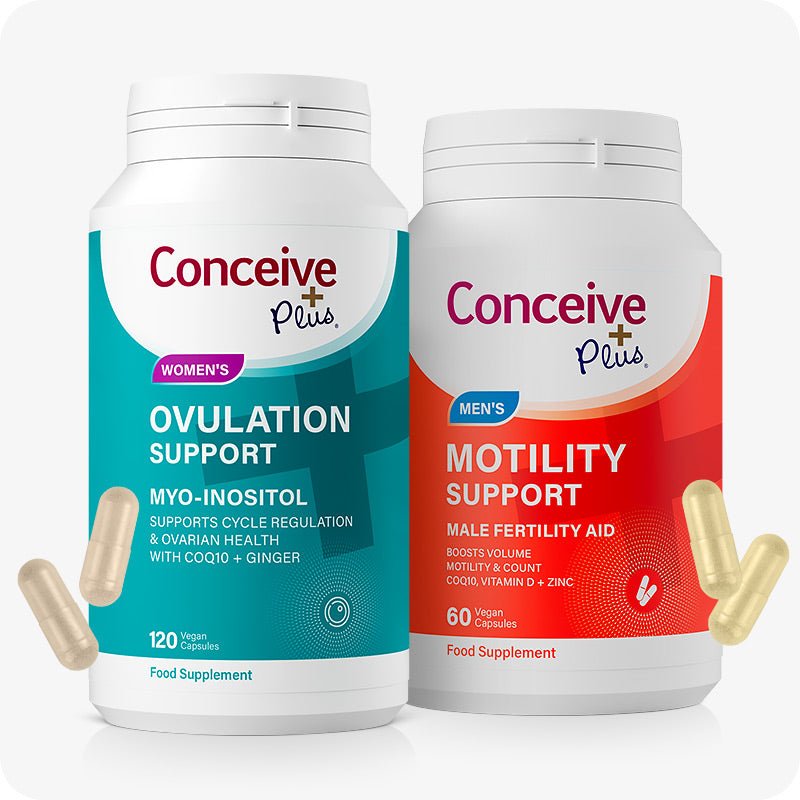
If you're planning to try again (even before your first post-miscarriage period), begin or continue methylfolate supplementation immediately. Neural tube development begins by week 4 of pregnancy — often before a missed period. Waiting until a positive test before starting supplementation is too late. Conceive Plus Women's Fertility Support provides methylfolate in its bioavailable active form.
Vitamin D
Lower vitamin D levels are associated with higher miscarriage risk. A 2019 study in the journal Lancet Diabetes and Endocrinology found that women who had sufficient vitamin D before pregnancy had a significantly lower risk of early miscarriage. Supplementing with vitamin D3 (2,000–4,000 IU daily) is recommended, particularly in Northern European latitudes.
CoQ10 for Egg Quality
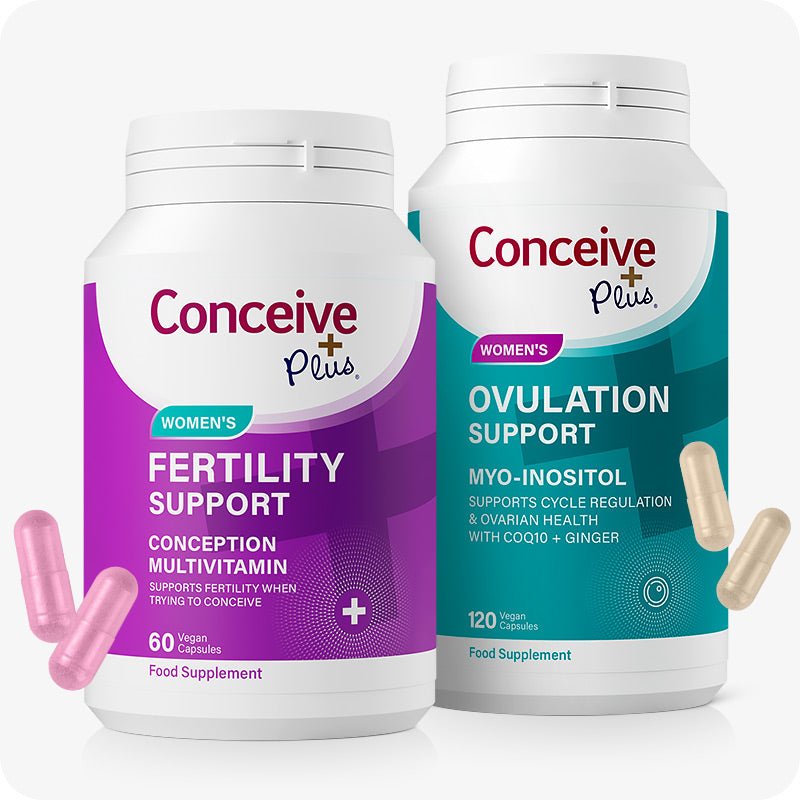
If previous miscarriage may have involved chromosomal issues (which is most cases), optimising egg quality before the next pregnancy is a rational strategy. CoQ10 (ubiquinol form, 200–400mg daily) supports mitochondrial function in maturing eggs and may reduce the rate of chromosomally abnormal eggs, particularly in women over 35.
Omega-3 DHA/EPA
Anti-inflammatory and essential for embryo development. Research suggests omega-3 supplementation may reduce miscarriage risk, possibly through anti-inflammatory mechanisms that support implantation and early placentation.
Explore Conceive Plus Fertility Supplements for comprehensive post-miscarriage nutritional support.
Trying Again After Miscarriage: When and How
The question of when to try again after miscarriage is deeply personal — both emotionally and medically. The medical guidance has evolved:
Medically: Current evidence supports trying again as soon as you feel physically ready, including in the cycle immediately following miscarriage. The University of Aberdeen study (Human Reproduction, 2010) followed over 30,000 pregnancies and found women who conceived within 6 months of miscarriage had the best outcomes (lower risk of further miscarriage, preterm birth, and caesarean) compared to those who waited longer.
Emotionally: There is no "right" timeline emotionally. Some people feel ready to try again quickly; for others, months of processing before feeling ready is entirely appropriate. Neither is wrong. Forcing yourself to try before you're emotionally ready, or waiting longer than you need to medically, are both legitimate choices depending on your individual experience.
Practical considerations before trying again:
- Confirm miscarriage is complete (hCG has returned to zero)
- Restart prenatal supplements including methylfolate
- Consider requesting any warranted investigations if this was a second loss
- Ensure both partners have had a chance to process the loss
- Discuss with your doctor if you had any complications (infection, retained tissue)
Managing Pregnancy Anxiety After Miscarriage
Pregnancy after miscarriage carries a distinct psychological burden — the fear that it will happen again. This is entirely understandable. Some evidence-based strategies:
- Early reassurance scans: Many doctors offer early scans at 6–8 weeks after a previous miscarriage; seeing a heartbeat at 6+ weeks significantly reduces miscarriage risk and can reduce anxiety
- Fertility or pregnancy counselling: Specialist psychological support during a subsequent pregnancy is associated with better outcomes in anxious patients
- Mindfulness and ACT (Acceptance and Commitment Therapy): Specifically designed for health-related anxiety and shown to be effective in fertility-related distress
- Communal support: Connecting with others who have had a pregnancy after miscarriage (sometimes called "rainbow baby" communities) can normalise the anxiety and provide peer support
Frequently Asked Questions: Miscarriage Recovery
Q: How long does it take to physically recover from a miscarriage?
A: Physical recovery typically takes 2–6 weeks, depending on how far along the pregnancy was and how it was managed. Surgical management (D&C) has the fastest physical recovery.
Q: When will my period return after miscarriage?
A: Usually 4–6 weeks after the miscarriage is complete. Ovulation occurs before the first period, typically 2–4 weeks after miscarriage.
Q: Is it safe to try again before having a period after miscarriage?
A: Medically yes — ovulation occurs before the first period, so conception is possible (and in some studies associated with good outcomes) in the first cycle. The practical consideration is that dating the new pregnancy may be more difficult without a known period start date.
Q: Does miscarriage cause fertility problems?
A: A single miscarriage without complications does not reduce future fertility. Most women who experience one miscarriage go on to have a successful pregnancy subsequently. Recurrent miscarriage (3+) warrants investigation but doesn't mean future pregnancy is impossible.
Q: What are the chances of miscarriage again after one miscarriage?
A: After one miscarriage, the chance of another is similar to or only slightly higher than the baseline population risk (10–20%). After two miscarriages, the risk of a third is approximately 25–30%. After three, approximately 30–40% — which is why investigation is recommended after three consecutive losses.
Q: Should I take progesterone to prevent miscarriage?
A: Progesterone supplementation (Cyclogest/Utrogestan) is offered by some doctors for women with low progesterone or previous miscarriage, particularly after the PRISM trial showed benefit in women with bleeding and a history of miscarriage. This is a conversation to have with your specialist.
Q: How do I support a partner who has had a miscarriage?
A: Acknowledge the loss explicitly. Don't minimise it with "at least" statements. Ask what they need rather than assuming. Be present. Know that grief may be non-linear. If your partner is a man who experienced this loss, acknowledge his grief too — it's often invisible but real.
Q: What supplements should I take after miscarriage when trying again?
A: Methylfolate, vitamin D3, omega-3 DHA/EPA, CoQ10 (especially if over 35), and iron (if depleted) are the most important. Conceive Plus provides a comprehensive formulation for this purpose.
👉 Support your body before your next pregnancy — Conceive Plus Europe
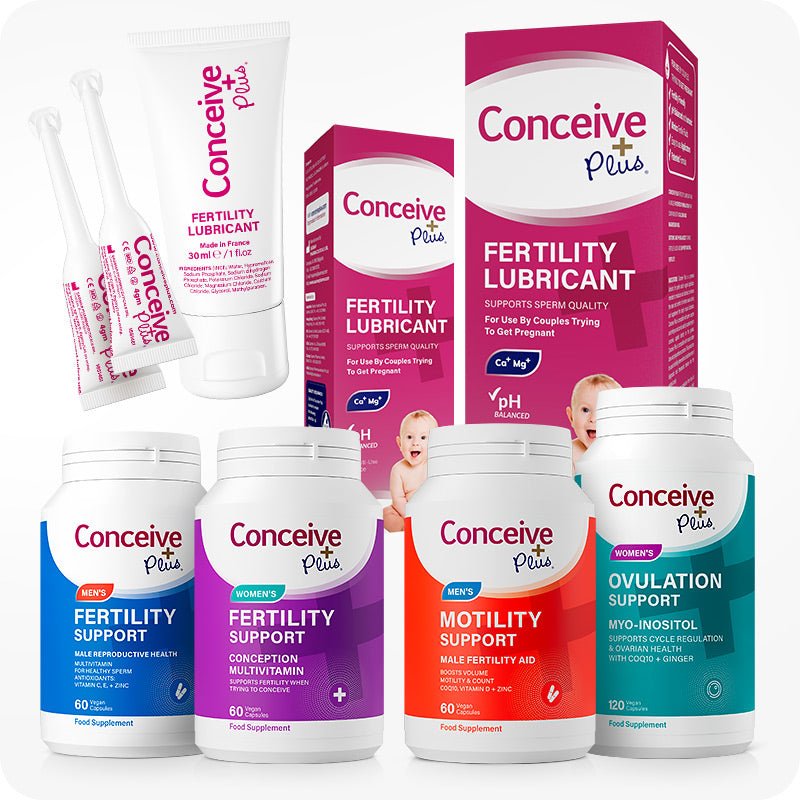
Start your fertility journey with Conceive Plus. Explore our complete range — formulated with the nutrients that matter most when trying to conceive.