IVF Preparation: How to Optimise Your Body Before Your First Cycle


The decision to pursue IVF is significant — emotionally, physically, and financially. But what happens in the weeks and months before your stimulation cycle begins may be just as important as the treatment itself. This comprehensive guide covers everything couples in Europe should know about preparing for IVF, from nutrition and lifestyle to supplements and mental wellbeing.
Why IVF Preparation Matters More Than You Think
IVF clinics across Europe are increasingly recognising that pre-cycle optimisation significantly improves outcomes. A study from the University of Copenhagen tracking 500 IVF cycles found that couples who completed a structured 3-month preparation protocol had a 23% higher live birth rate compared to those who began stimulation without preparation.
The reasoning is biological: it takes approximately 90 days for eggs to mature from primordial follicles to ovulatable oocytes (a process called folliculogenesis), and 74 days for sperm to complete their development cycle. Changes made today won't show up in this month's egg retrieval — but they'll meaningfully impact outcomes 3 months from now.
This is why most European fertility specialists now recommend beginning IVF preparation at least 3–6 months before your planned stimulation start date.
Nutritional Preparation for IVF: The Evidence Base
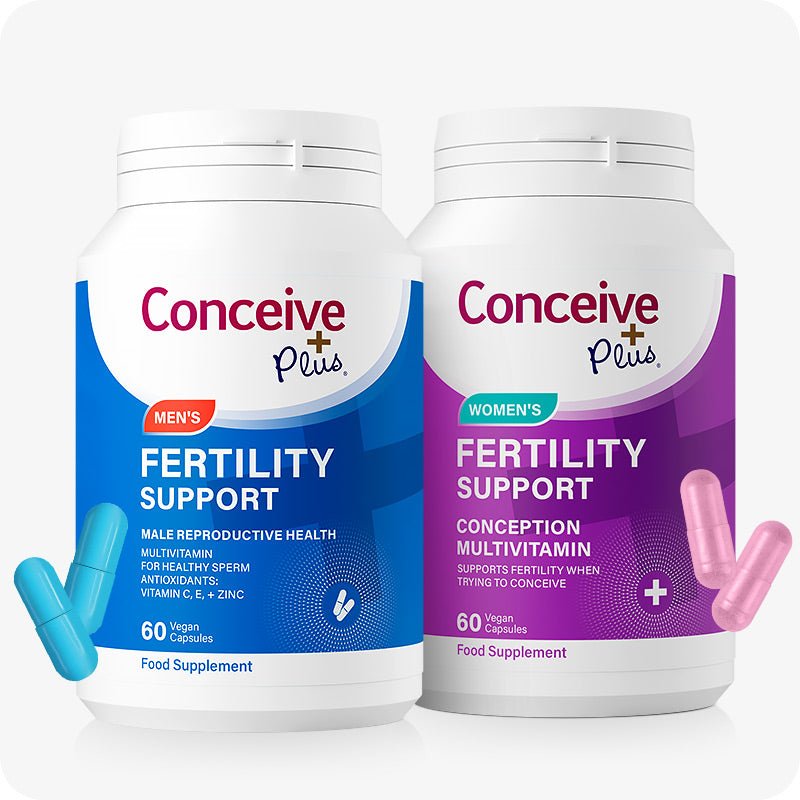
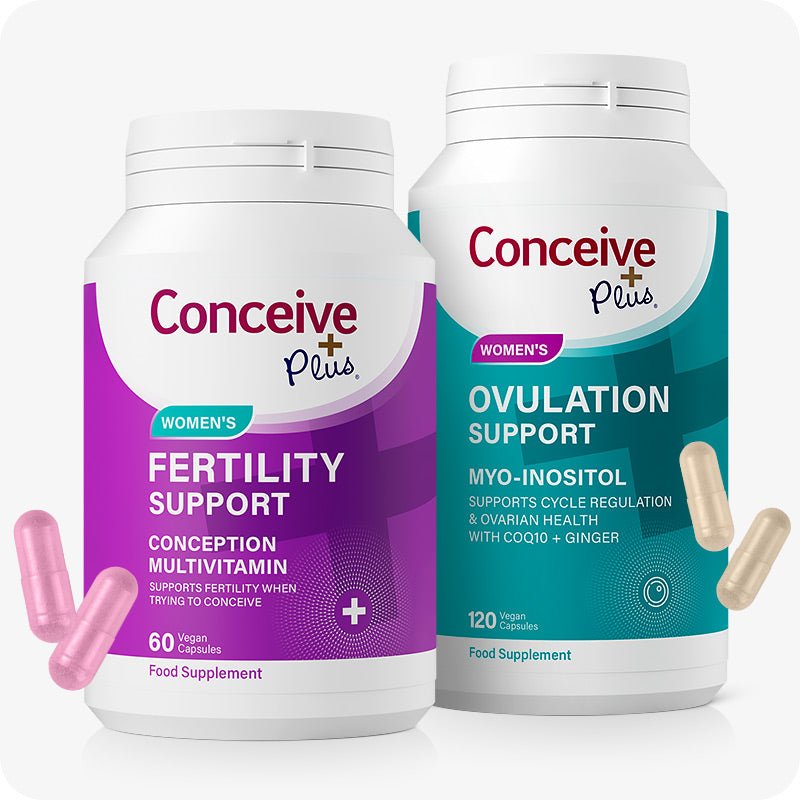
Join thousands of couples who trust Conceive Plus for science-backed fertility support.
Shop Now →Multiple European studies have identified specific nutritional patterns associated with better IVF outcomes:
The DIET-IVF study, published in Human Reproduction, found that women following a Mediterranean diet in the 6 months before IVF had a 65–68% higher probability of clinical pregnancy and live birth compared to those with low Mediterranean diet adherence. This held true even after adjusting for age, BMI, and other variables.
Key nutritional priorities:
- Folate (methylfolate form): 400–800 mcg daily — critical for egg quality and early embryo development
- CoQ10 (Coenzyme Q10): 200–600mg daily — supports mitochondrial function in eggs; particularly important for women over 35 where egg energy metabolism declines
- Vitamin D: Ensure levels above 50 nmol/L (test before supplementing); vitamin D receptors in the ovaries suggest a direct role in follicle development
- Omega-3 fatty acids: DHA/EPA from oily fish or algae supplements support embryo quality and reduce inflammation
- Antioxidants: Vitamins C and E, selenium, and alpha-lipoic acid protect eggs and sperm from oxidative damage
- Melatonin: Follicular fluid contains high concentrations of melatonin; supplementation (3mg at bedtime) has been studied for improving egg quality in poor responders
What Men Should Do Before IVF
Male factor infertility or sperm quality issues are present in up to 50% of couples pursuing IVF across Europe, yet male preparation receives far less attention. The sperm used in your IVF cycle take 74 days to mature — making the 3 months before egg retrieval a critical window for male optimisation.
Evidence-based male IVF preparation:
- Zinc and selenium: Clinical trials show these minerals improve sperm count, motility, and morphology
- Antioxidant supplements: A Cochrane review found antioxidant supplementation in men significantly improved live birth rates in IVF/ICSI cycles
- Reduce alcohol: Even moderate alcohol intake affects sperm DNA fragmentation — abstain for at least 3 months before egg retrieval
- Heat avoidance: Testicular temperature is 2–3°C below core body temperature for a reason. Avoid hot tubs, saunas, tight underwear, and laptop computers on the lap
- Semen analysis: If not already done, request a comprehensive semen analysis with DNA fragmentation testing — results will guide specific supplementation
Lifestyle Optimisation Before IVF
Beyond nutrition, several lifestyle factors have meaningful impacts on IVF success rates:
Weight management: BMI significantly affects IVF outcomes. European studies show optimal IVF results in women with BMI 18.5–24.9. Both underweight and overweight/obese status are associated with reduced response to stimulation, poorer egg quality, and lower embryo implantation rates. Even a 5–10% weight reduction before IVF in women with BMI over 27 has been shown to improve outcomes.
Exercise: Moderate exercise (150 minutes per week of moderate-intensity activity) supports fertility and IVF readiness. However, high-intensity endurance exercise may actually impair fertility in women — keep workouts moderate and prioritise yoga, walking, swimming, and strength training during the preparation period.
Stress management: The HPA axis (stress response) directly interacts with the HPG axis (reproductive hormone cascade). Chronic stress elevates cortisol, which suppresses GnRH, LH, and FSH — the very hormones your IVF cycle relies on. Techniques with the strongest evidence include mindfulness-based stress reduction (MBSR), cognitive behavioural therapy (CBT), and acupuncture.
Sleep: Growth hormone, crucial for follicle development, is primarily released during deep sleep. Aim for 7–9 hours of quality sleep per night. Avoid screens for 60 minutes before bed, and consider blackout curtains if your European location experiences extended summer daylight hours.
Supplements Specifically for IVF Success
In addition to general fertility nutrients, certain supplements are specifically studied in IVF contexts:
- DHEA (dehydroepiandrosterone): 25–75mg daily for 6–12 weeks before IVF. Recommended by the ESHRE (European Society of Human Reproduction and Embryology) for poor ovarian responders. Requires supervision as it's a hormone precursor
- Inositol (Myo-inositol + D-chiro-inositol): Particularly beneficial for women with PCOS undergoing IVF — reduces OHSS risk while improving oocyte quality
- NAC (N-acetyl cysteine): Antioxidant that replenishes glutathione — studied in PCOS and endometriosis IVF patients with positive effects on embryo quality
- L-arginine: May improve ovarian response by supporting blood flow to the ovaries through nitric oxide pathways
Important: Always disclose all supplements to your reproductive endocrinologist before beginning IVF stimulation. Some supplements need to be discontinued before or during stimulation.
What to Expect During IVF Stimulation
Understanding the IVF process helps you prepare psychologically and physically:
- Day 1–10 (approx.): Daily injections of FSH (follicle-stimulating hormone) to stimulate multiple follicle development; regular ultrasound monitoring
- Trigger shot: HCG or agonist trigger injection to mature eggs for retrieval ~36 hours later
- Egg retrieval: Brief procedure under sedation; recovery takes 1–2 days
- Fertilisation and embryo culture: In the lab for 3–5 days; blastocyst development is typically the target
- Embryo transfer: Fresh transfer (same cycle) or frozen transfer after endometrial preparation
Fertility Lubricant Use During IVF Preparation
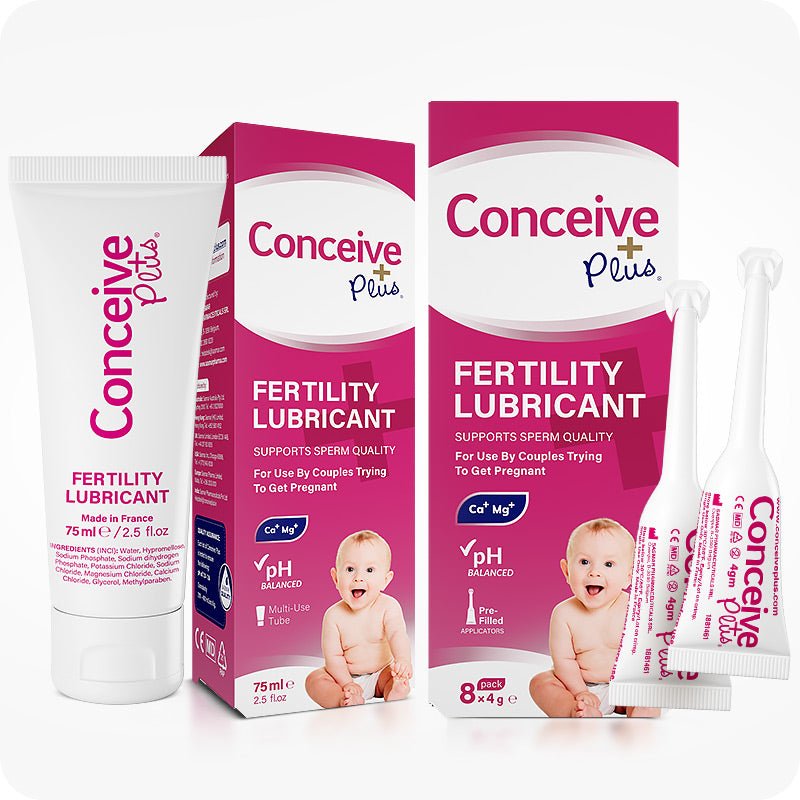
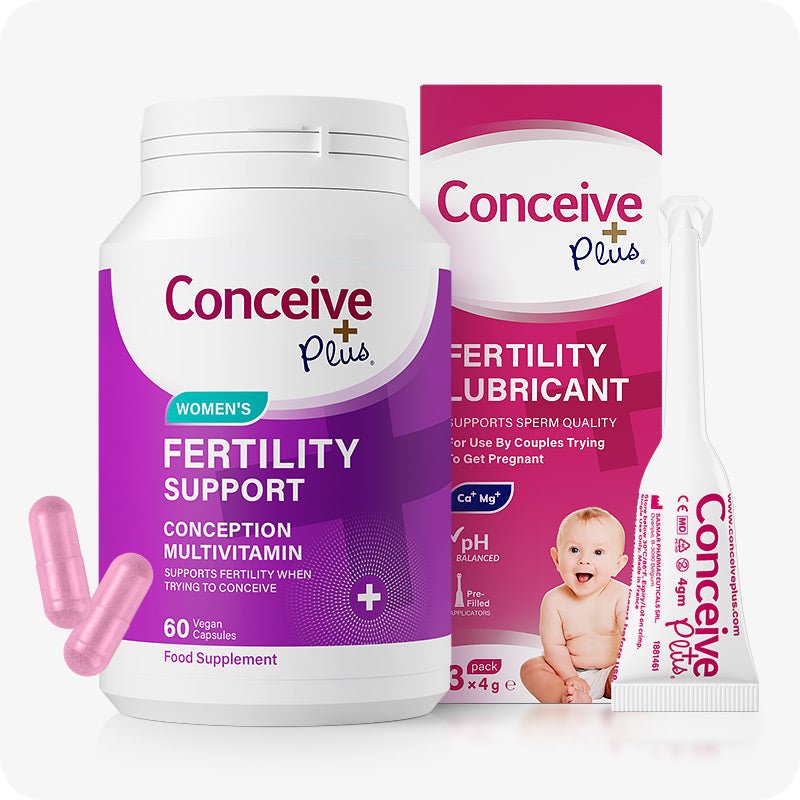
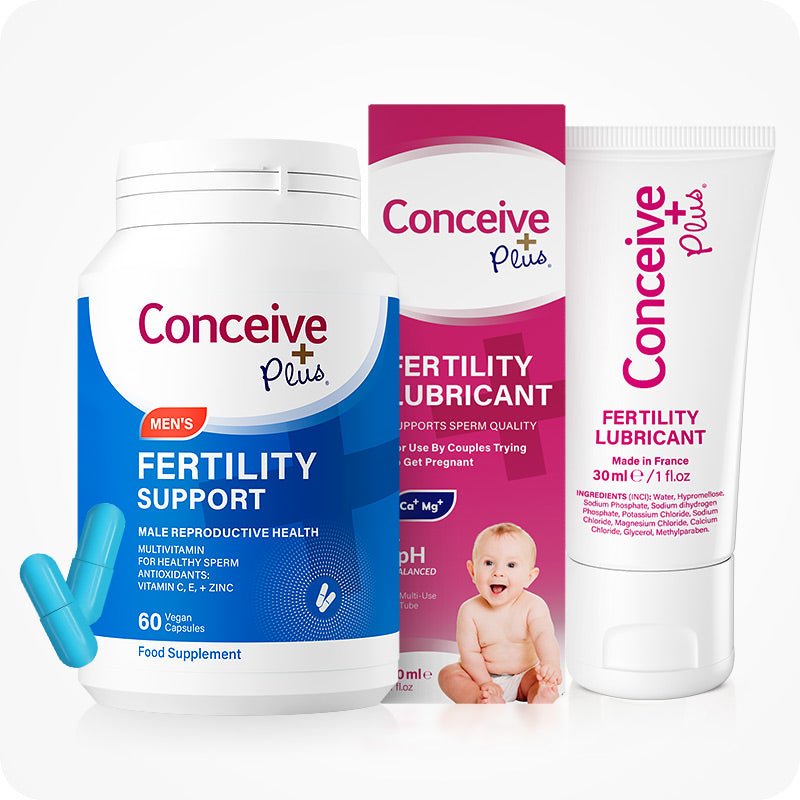
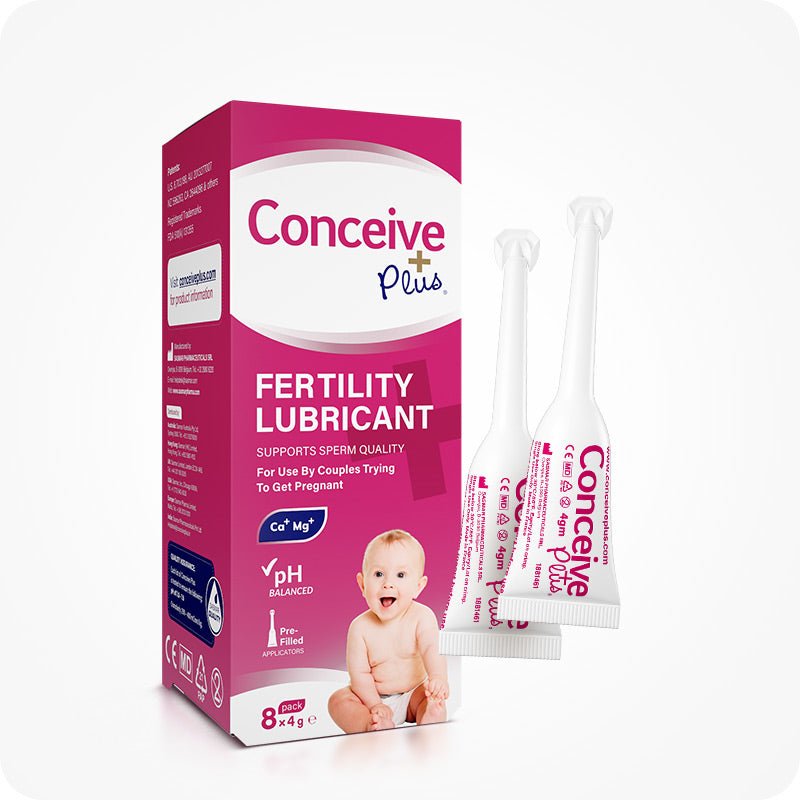
Even during IVF preparation, many couples continue trying to conceive naturally — and timing matters. If you're having intercourse during the preparation period, using a fertility-supportive lubricant like Conceive Plus ensures that sperm have the best possible conditions to survive. Standard lubricants can harm sperm, which is the last thing you want during a period when you're actively optimising reproductive health.
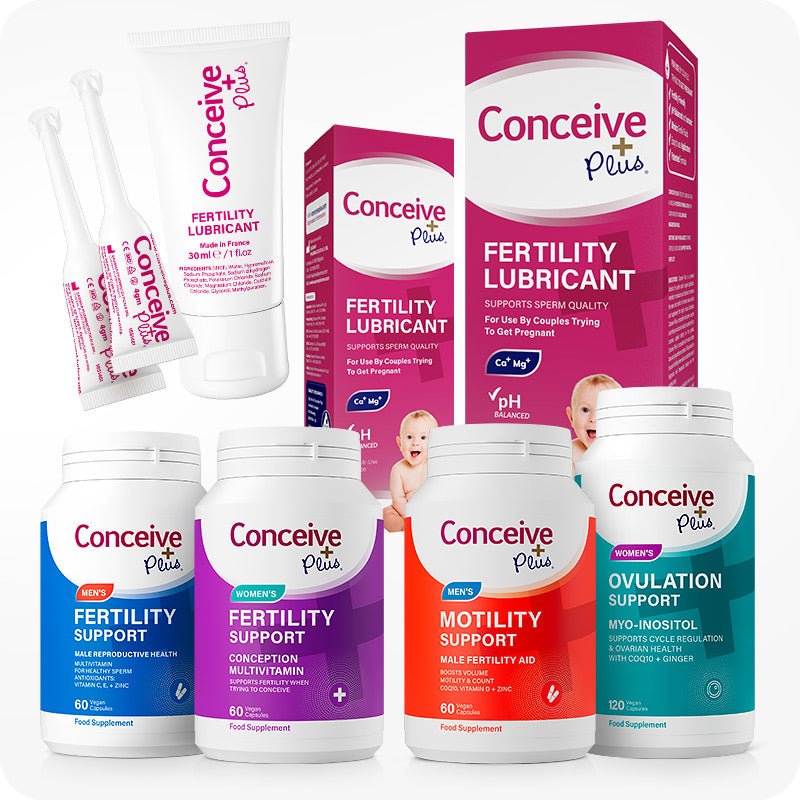
Whether you're optimising naturally or preparing for your first IVF cycle, Conceive Plus products support your fertility journey with science-backed formulations.
Explore Conceive Plus EU →
FAQ: IVF Preparation in Europe
Q: How many months before IVF should I start preparing?
Ideally, 3–6 months. This covers a full spermatogenesis cycle and the late folliculogenesis period for eggs. However, even 4–6 weeks of focused preparation is better than none.
Q: Does acupuncture improve IVF success rates?
Evidence is mixed. Some meta-analyses show a positive effect on pregnancy rates when acupuncture is performed around embryo transfer; others show no difference. It's generally safe and may help with stress reduction — many European IVF clinics refer patients to fertility acupuncturists alongside medical treatment.
Q: Should I avoid exercise during stimulation?
Yes — during ovarian stimulation, heavy exercise and abdominal activities should be avoided due to the risk of ovarian torsion (the stimulated ovaries become enlarged and can twist). Walk and do gentle movement only during stimulation through retrieval.
Q: What's the ideal endometrial thickness for embryo transfer?
Most clinics aim for an endometrial lining of at least 7–8mm (trilaminar pattern) before transfer. Thin lining (below 7mm) is associated with reduced implantation rates and may lead to cycle cancellation or freeze-all strategy.
Q: Should I take aspirin before IVF?
Low-dose aspirin (75–100mg) is sometimes prescribed by fertility specialists to improve uterine blood flow, particularly for women with thin lining or previous implantation failure. This should only be done under medical supervision.
Q: How does stress affect IVF outcomes?
Research on this is nuanced. While extreme psychological stress may impair outcomes through neuroendocrine pathways, the relationship isn't as simple as "stress causes IVF failure." Stress reduction practices are recommended for wellbeing and may have secondary fertility benefits.
Q: Is there anything to avoid eating during IVF stimulation?
During stimulation, continue your Mediterranean-style diet. Stay well hydrated (especially important for OHSS risk reduction). Avoid alcohol, raw seafood, and foods with high mercury content. After retrieval, some clinics recommend high-protein, salty foods to help prevent OHSS.
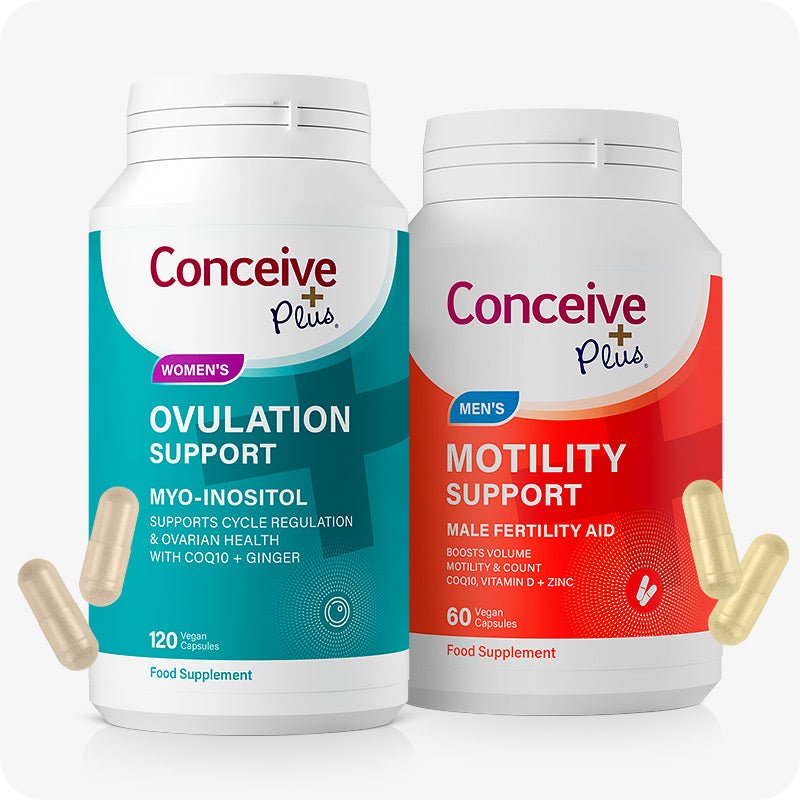
Conceive Plus fertility supplements provide the research-backed nutrients European couples need before, during, and after fertility treatment.
Shop Conceive Plus Supplements EU →